
Slovakia Passes Constitutional Amendment Repealing LGBTQIA+ Rights
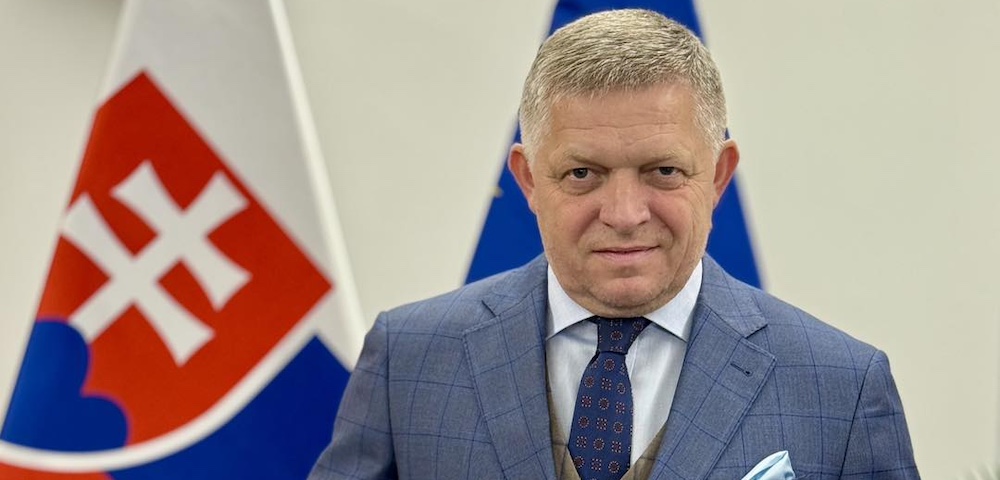
Image: Robert Fico/Facebook
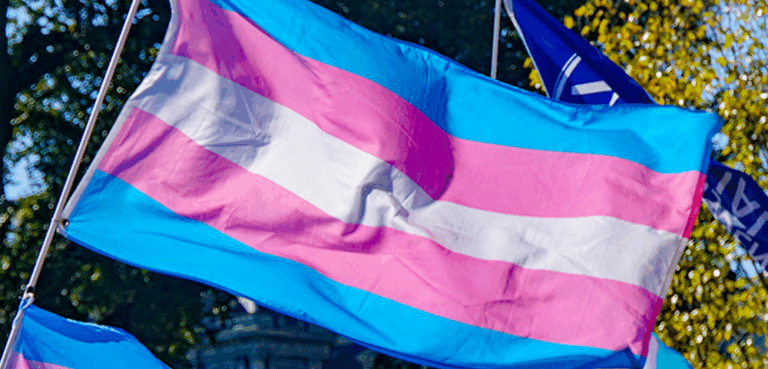
New changes to the constitution in Slovakia passed last week have rolled back hard-won LGBTQIA+ rights in what advocacy groups are calling a “dark day” in the country’s history.
Proposed by Prime Minister Robert Fico’s populist-nationalist government five months ago, the amendment sees male and female as the only recognised sexes, restricts adoption to married heterosexual couples, and bans surrogacy.
It also gives national law precedence over EU legislation, stating that “the Slovak Republic maintains sovereignty above all in issues of national identity, culture and ethics.”
The government argued that the amendment would help to construct a “constitutional barrier against progressive politics” and restore “common sense”, with Fico calling it “a great dam against progressivism”.
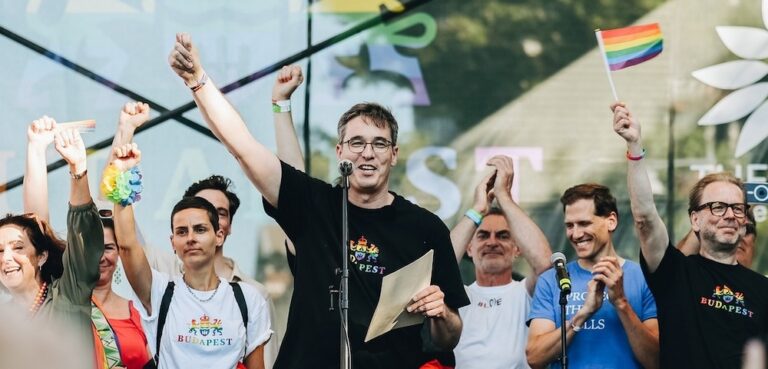
The amendment comes after similar measures were introduced in Hungary in April, with the government banning public LGBTQIA+ events, arguing they contradict the country’s controversial “child protection” laws prohibiting the “depiction or promotion” of homosexuality or gender diversity to those under 18.
Situation of LGBTQIA+ groups “already dire”
Amnesty International Slovakia have condemned the motion, calling it a “dark day” for the country.
“The situation of marginalised groups in Slovakia – including LGBTI people – is already dire,” they said in a statement. “These amendments rub salt into the wound.
“Today, the Slovak government chose to follow the lead of countries, such as Hungary, whose policies have led to an erosion of human rights. The only way to stop this decline is to comply with international and European law and introduce proposals to protect human rights for all, while rejecting those that jeopardise these efforts.”
Fico’s government have been targeting the country’s LGBTQIA+ population since their return to power in 2023, previously eliminating public funds for LGBTQIA+ related projects.
Speaking to The Guardian, Martin Macko, executive director of the country’s leading queer advocacy group, Iniciatíva Inakosť, said he had received more than 100 calls and emails from community members feeling anxious and powerless.
“The amendment explicitly bans legal gender recognition – (it’s) directly attacking the lives of transgender and intersex people,” he said.
“This amendment threatens Slovakia’s EU membership and brings us even closer to authoritarian Russia. The paradox is that these measures were adopted at a time when acceptance of LGBT+ people in Slovak society is growing.”
President Peter Pellegrini is expected to sign the amendment into law.