
Budapest Mayor Faces Criminal Charges For Enabling Pride After Hungary’s Ban
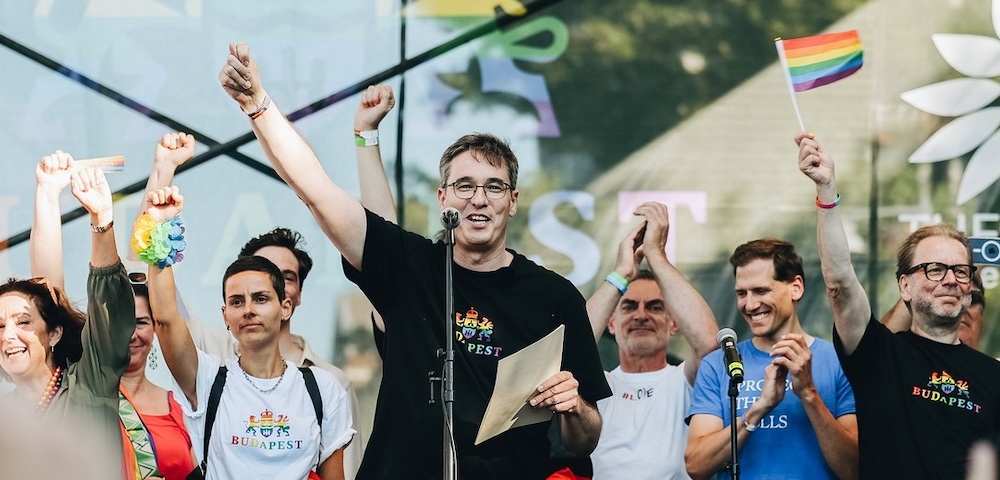
Image: Viktória Serdült/X
Charges have been filed against the mayor of Budapest for his role in encouraging people to take to the streets following Hungary’s national Pride ban.
Introduced by Prime Minister Viktor Orbán of the rightwing populist party, Fidesz, a constitutional amendment was passed in April making it an offence to conduct public events that contradict the country’s controversial “child protection” laws, which prohibit the “depiction or promotion” of homosexuality or gender diversity to those under 18.
In response, the Hungarian police banned Budapest Pride, only for mayor Gergely Karácsony to declare the gathering a municipal event to bypass official authorisation.
“Come calmly and boldly to stand together for freedom, dignity and equal rights,” he said at the time.
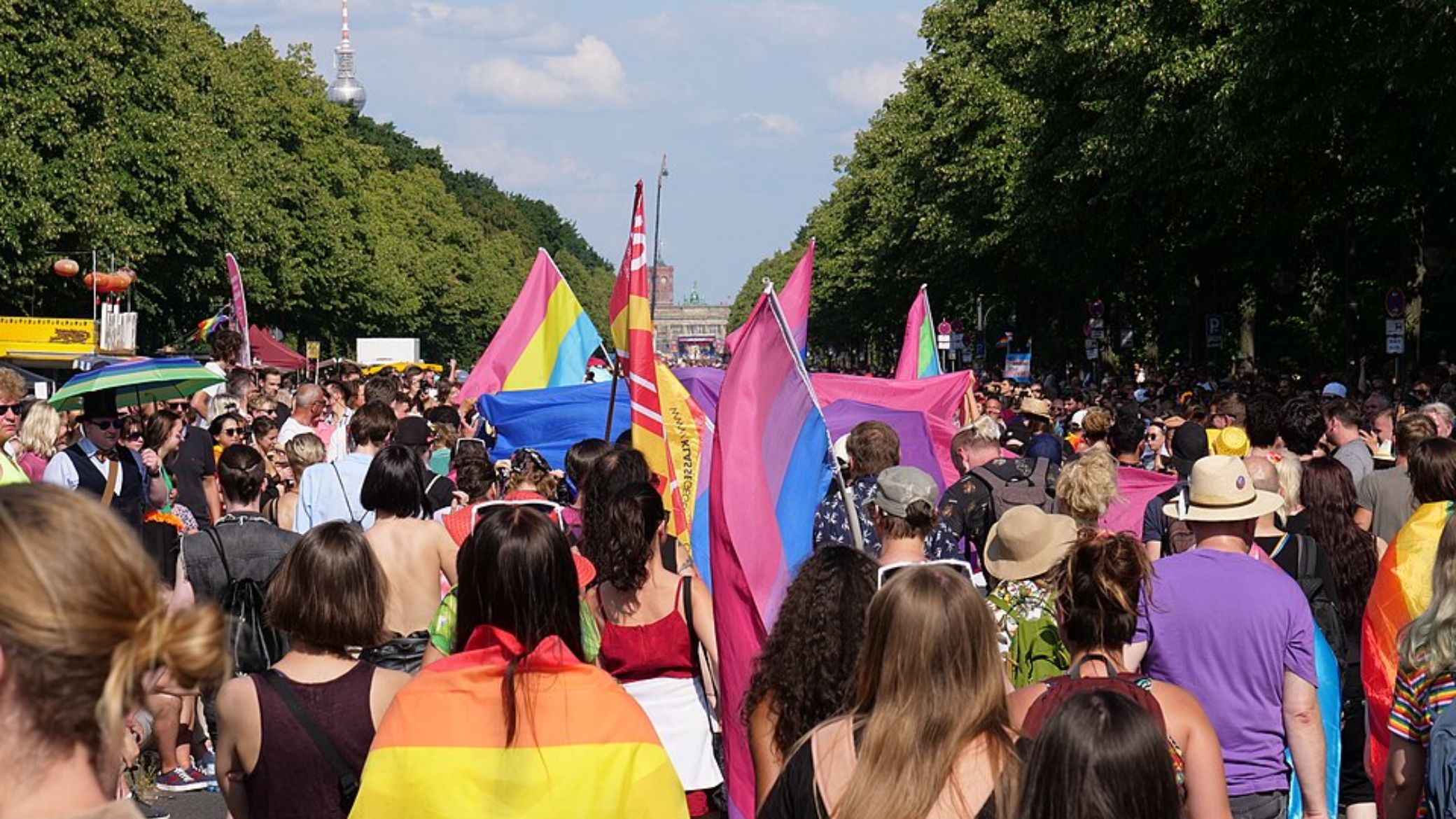
More than 200,000 people took to the streets in an impressive display of defiance, including more than 70 members of European parliament and the European Commissioner for Equality, Hadja Lahbib.
“Selfish, petty, and despicable power”
Prosecutors said Karácsony had “organised and led a public gathering despite the police ban”, suggesting the court impose a fine in a summary judgement without a trial.
Taking to social media after the charges were filed, Karácsony said he had “gone from being a proud suspect to a proud defendant”.
“It seems that this is the price we pay in this country when we stand up for our own freedom and that of others.”
Karácsony vowed to stand up in the face of “selfish, petty, and despicable power”, adding that “when people who want to live, to love, to be happy are betrayed by their own country, betrayed by their government, resistance is a duty.”
Prior to the event in June, government officials warned that Pride organisers could face up to a year in prison, and threatened would-be attendees with facial recognition software to identify and fine them up to €500. Police announced in July that they would not be charging any of the 200,000 protesters.
Co-Chair of the European Green party, Vula Tsets, said on Wednesday that the issue was about more than just LGBTQIA+ rights.
“This is not just about Pride; it is a test of whether the EU will stand for democracy,” she said.
Believed to be the first of its kind in recent EU history, the legislation also enshrines the constitutional recognition of only two sexes, in a move that closely mirrors Trump’s executive order recognising two genders, assigned at birth and unchanging.
Dánel Döbrentey, a lawyer with the Hungarian Civil Liberties Union, said at the time that the amendment carried a “clear message” for trans and gender diverse people.
“It is definitely and purely and strictly about humiliating people and excluding them, not just from the national community, but even from the community of human beings,” he said.


Support the Star Observer… while you still can
LGBTQIA+ media is under threat. Queer content is censored by tech conglomerates who amplify bigotry and push out AI slop — so we receive less financial support than ever.
When our community is muzzled and intolerance intensifies, we need queer media more than ever. Your donation means we can continue paying queer journalists to write queer news.
Don’t rely on the straight lies of big tech – support Star Observer instead and donate now.