
Council Of Europe Votes To Support A Trans-Inclusive Ban On Conversion Therapy
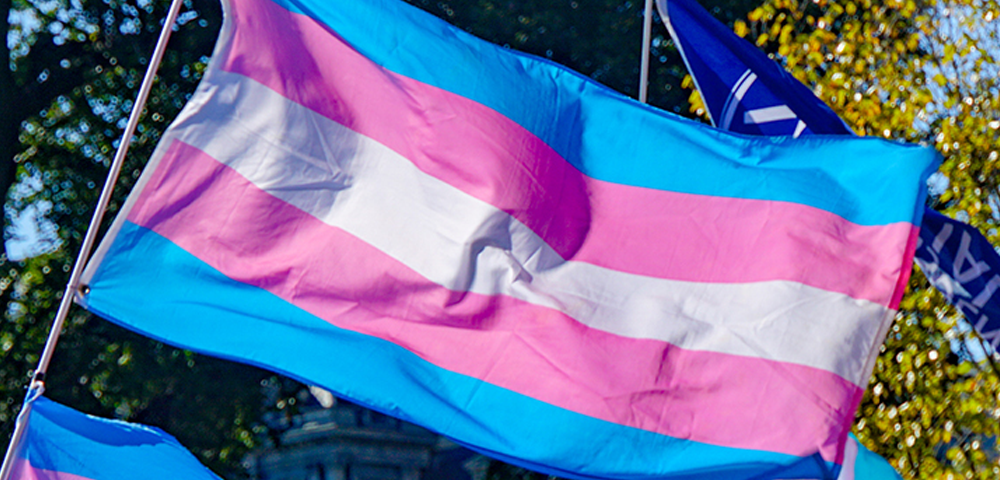
Image: Image: Trans flag - Ted Eytan
The Council of Europe has voted to pass a trans-inclusive ban on conversion therapy, delivering a significant win for LGBTQIA+ advocates after weeks of coordinated lobbying from anti-trans groups attempting to derail the move.
While bans on conversion therapy in many places largely focuses on those trying to “convert” same sex attraction, this move seeks to also protect members of the trans community as well.
Banning conversion for all
The resolution, brought forward by UK Labour MP Kate Osborne, was approved last Thursday with 71 members voting in favour, 26 against, and two abstentions.
The Council of Europe, a continent wide human rights body separate from the European Union, is now urging its 26 member states to prohibit practices that attempt to suppress or change a person’s sexual orientation or gender identity.
Conversion practices are widely recognised by medical and human rights bodies as abusive and ineffective. They often involve psychological coercion, religious pressure, or physical harm, and have been repeatedly linked to long term trauma for LGBTQIA+ people.
As reported previously by The Star Observer, survivors frequently describe lasting mental health impacts that continue well into adulthood, even after a single intervention.
Osborne framed the resolution as a matter of urgent public health and human rights stating that “Conversion practices have no scientific basis and have harmful consequences on the individuals to them,” she wrote.
“They induce or strengthen feelings of shame, guilt, self-disgust, and worthlessness, and lead to increased rates of depression, anxiety, post-traumatic stress disorder, suicidal ideation, and suicide attempts.”
Research cited by The Trevor Project supports those findings, showing survivors of conversion practices are more than twice as likely to attempt suicide, and almost three times as likely to report multiple suicide attempts in a single year.
The vote went ahead despite vocal opposition from the gender-critical group Sex Matters, which lobbied representatives to reject what it described as a “shocking resolution”.
The group argued that banning conversion practices would restrict psychological assessments of trans young people, a claim rejected by mainstream medical bodies. Research from the Society for Research in Child Development has found trans children to be just as consistent in their gender identity as their cisgender peers.
In the lead-up to the vote, the Good Law Project mobilised public pressure, with more than 10,000 people contacting UK representatives.
Its trans rights lead, Jess O’Thomson, welcomed the outcome. “As a member of the queer community, I sadly have many friends who have been subjected to conversion practices. I was unfortunate enough to experience them myself,” they said. “No person deserves to be tortured for who they are.”
O’Thomson also renewed calls for the UK government to act, noting it has yet to deliver on a trans inclusive ban first promised in 2018.
“It’s now time for the UK government to follow the Council of Europe and ensure a trans-inclusive ban on conversion practices,” they said.
In Australia several states have cemented their stance on conversion therapies as they ban the practices outright, including New South Wales, Victoria, South Australia, and the ACT.


Support the Star Observer… while you still can
LGBTQIA+ media is under threat. Queer content is censored by tech conglomerates who amplify bigotry and push out AI slop — so we receive less financial support than ever.
When our community is muzzled and intolerance intensifies, we need queer media more than ever. Your donation means we can continue paying queer journalists to write queer news.
Don’t rely on the straight lies of big tech – support Star Observer instead and donate now.