


EXPLAINER: What Is Happening To LGBTQIA+ People In Turkey Right Now?

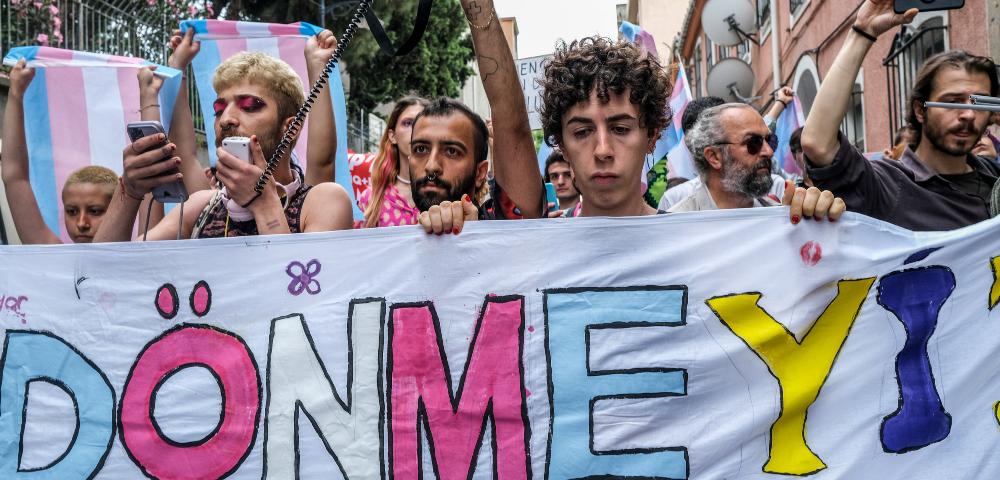
Image: Andres Trujillo / JNA Press/Sipa USA.
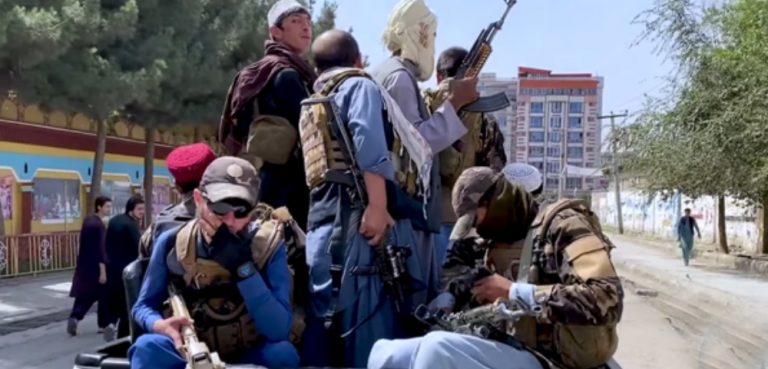
At one o’clock on Sunday morning, police began moving through Turkey’s biggest cities. By daylight, rainbow flags had been seized, doors forced open and LGBTQIA+ activists led away in handcuffs. Offices, homes, nightclubs and community hangouts were raided at the same time.
This was not a few scattered arrests. Human Rights Watch’s Emma Sinclair-Webb has called it “the widest crackdown on LGBTQ+ people in recent years”.
What exactly is happening in Turkey?
The operation, grimly named “My Family is Safe”, is being run across 15 provinces. Prosecutors say it encompasses 162 suspects, nine associations and 13 businesses; raids have centred on Istanbul, Ankara, İzmir, Aydın and Mersin.
The figures are still moving because the raids, court hearings and protests are ongoing.
More than 100 people were initially detained and rights groups believe 62 have been remanded in custody. Eight members of Kaos GL, one of Turkey’s oldest and largest LGBTQIA+ rights groups, were jailed pending trial on Tuesday. Seven others were released under judicial supervision.
Journalists have been swept up too. Tuğba Tekerek was arrested at home in Istanbul and transported to Ankara for questioning after publishing a story with Kaos GL about LGBTQIA+ life in neighbouring Georgia. The state has also blocked or restricted more than 180 social media accounts belonging to activists, journalists, organisations and media outlets, as well as a number of websites.
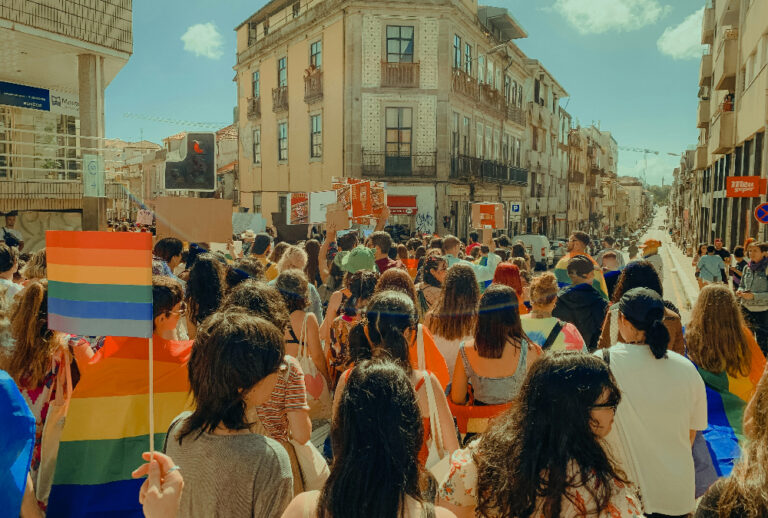
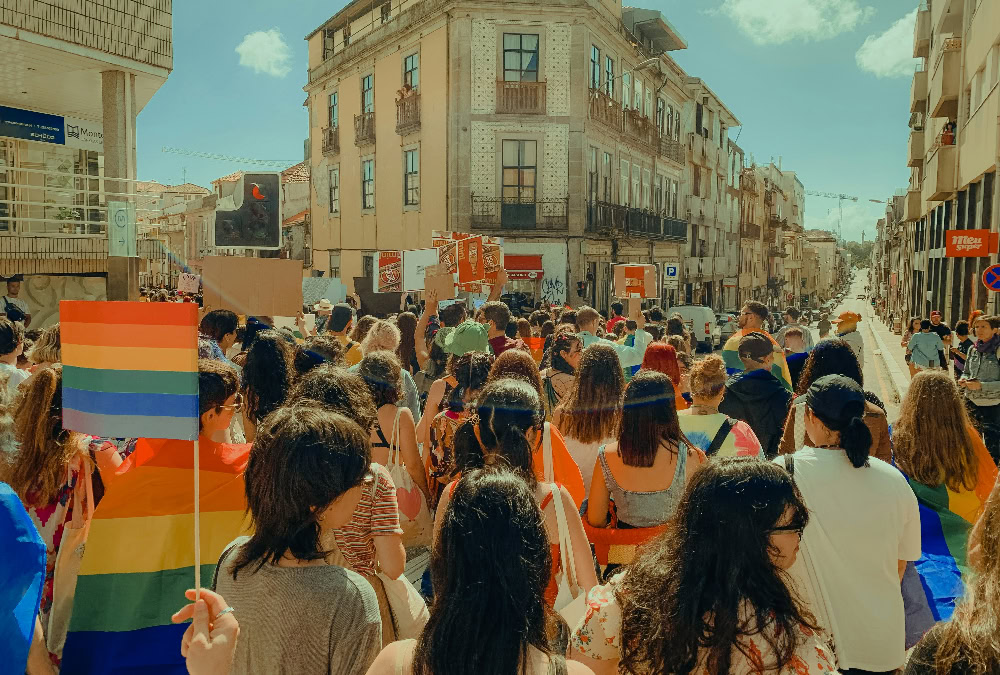
Then came the protests. Police used teargas against demonstrators in İzmir and detained at least 150 people in Istanbul on Tuesday, plus dozens more in Ankara. Some were arrested outside a courthouse after unfurling a banner carrying a very simple truth: “Being LGBTQ+ is not a crime.”
But homosexuality is legal in Turkey — so how can this happen?
Being gay is not illegal in Turkey. That has not stopped the government finding other legal weapons.
Authorities claim the groups breached NGO rules and broad “obscenity” laws, while venues have been linked, often in the same official breath, with drugs, prostitution and material supposedly harmful to children. Prosecutors cited Kaos GL members’ roles in the organisation and their social media posts as evidence of suspected criminal conduct.
The point is not subtle: bundle queer organising together with serious criminal allegations, make it all sound grubby and dangerous, and hope the public stops asking where the evidence begins and the smear campaign ends.
A draft law that would have criminalised promoting behaviour “contrary to biological sex and general morality” was withdrawn last year. Rather than abandoning the project, authorities appear to be doing it piecemeal. Last month, 11 leaders of Genç LGBTI+ went on trial over images of same-sex couples kissing. They face up to three years in prison.
Why is Erdoğan’s government doing this now?
Justice Minister Akın Gürlek says the raids are intended to “protect our children, the institution of the family and the social order”. He tied them directly to President Recep Tayyip Erdoğan’s “decade of the family and population”, a campaign responding to falling birthrates, later marriage and rising divorce.
Erdoğan has sat at the centre of Turkish power for more than two decades: first as prime minister from 2003, then as president from 2014. Under his Justice and Development Party (AKP), Turkey has shifted from a parliamentary system to an executive presidency with power increasingly concentrated around Erdoğan, while journalists, political opponents and independent civil society have faced mounting state pressure. Erdoğan’s religious-conservative AKP governs alongside the far-right, ultranationalist MHP, with anti-LGBTQIA+ politics increasingly used to rally supporters and demonise opponents.
Queer and trans people have become useful villains within that project. During the 2023 election campaign, Erdoğan declared, “We are against the LGBT”, and accused the opposition of being pro-LGBT — turning somebody’s sexuality or gender into a test of patriotism and political loyalty. This is not some strange sideshow to the government’s broader agenda. Anti-LGBTQIA+ politics helps Erdoğan bind conservative voters to his party, paint critics as foreign or morally corrupt, and give the state another excuse to bring dissenting organisations under its heel.
LGBTQIA+ people are being cast as the rotten beam in Turkey’s family home, because scapegoats are politically useful. Erdoğan’s authoritarian, religious-conservative government has leaned harder into anti-LGBTQIA+ rhetoric, particularly around elections. Istanbul Pride has been banned since 2015; attempted marches have been violently dispersed ever since.
Amnesty International calls this week’s assault a campaign with “nothing to do with protecting families”. It is right. Families are not protected by handcuffing HIV advocates, jailing rights workers or silencing journalists. This is what criminalisation looks like before a country even writes queerness itself into the criminal code — frighteningly broad laws, state-manufactured shame, and police at the door.


Support the Star Observer… while you still can
LGBTQIA+ media is under threat. Queer content is censored by tech conglomerates who amplify bigotry and push out AI slop — so we receive less financial support than ever.
When our community is muzzled and intolerance intensifies, we need queer media more than ever. Your donation means we can continue paying queer journalists to write queer news.
Don’t rely on the straight lies of big tech – support Star Observer instead and donate now.

Leave a Reply