
Growing Up Intersex in Australia: Blume’s Story
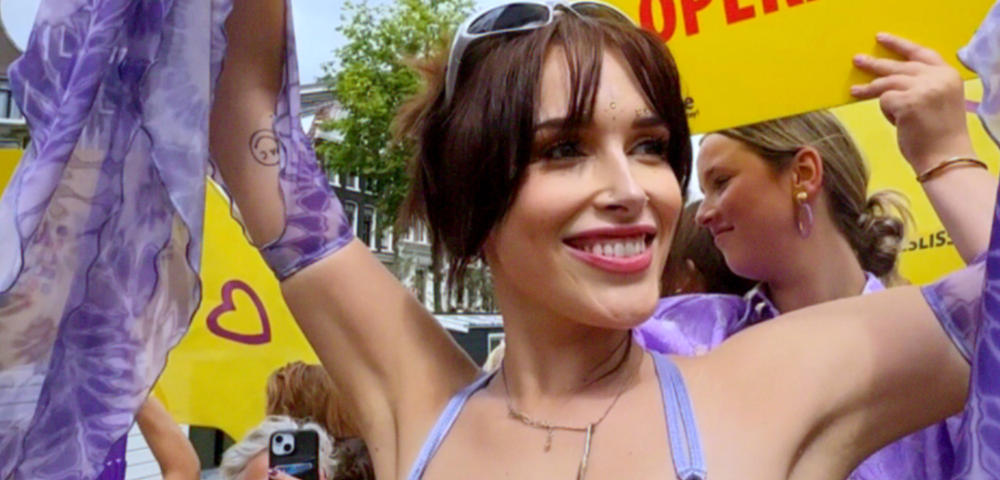
Image: Image: Supplied
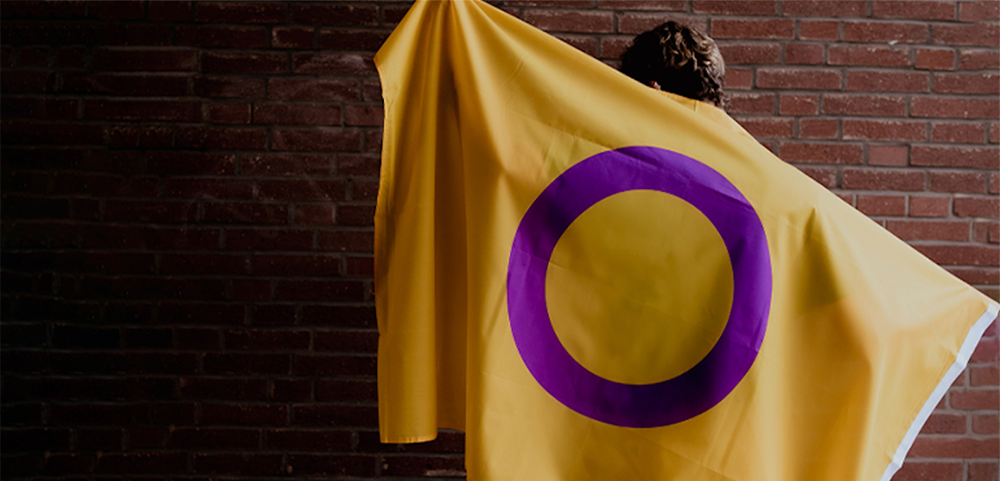
Sunday November 8 marks the international Intersex Day of Remembrance, also known as Intersex Day of Solidarity, an important day in the LGBTQIA+ calendar to raise important awareness for the Intersex community.
This week we chatted with Blume, an international musician, content creator and advocate for the intersex community.
Having just returned from a European tour as they prepare to launch a new EP later this year Blume spoke candidly about their experience as an intersex advocate, what it was like growing up in Australia and the importance of awareness for their community.
View this post on Instagram
Blume talks about the importance of intersex awareness
Can you share what it was like to first discover you’re intersex, and how that shaped your sense of self growing up in Australia?
At first, it felt incredibly isolating. Being intersex was something so unknown, and I was told not to tell anyone. When I confided in a friend at school and they spread it around, it turned into rumours that deeply affected how I saw myself. Growing up in Australia, with so little awareness or community around intersex experiences, I felt like I didn’t belong anywhere. That lack of understanding and connection really shaped how I related to my identity for a long time.
How did your understanding of being intersex evolve over time and lead you towards advocacy?
Over time, I just came to a place of acceptance. As I grew more confident in who I was, I started sharing my intersex identity with people I met — because I realised that staying silent wasn’t helping anyone. I noticed there was still such a lack of awareness, and I kept waiting for someone else to start the conversation online. But no one did. So eventually, I thought, well… maybe that someone should be me.
Was there a specific turning point where you decided to start speaking publicly about being intersex?
It was in 2018 when I “came out” online to my instagram followers. It was during the rise of the non binary community, and the discourse surrounding it. And people were arguing so much online about sex and gender, and I just chimed in with my two cents… “Well actually, sex isn’t so black and white either”
You’ve spoken before about dismissive experiences within the medical system, what do you wish doctors and healthcare professionals better understood about intersex people?
I just wish more doctors and MPs had even a basic understanding of what it means to be intersex. It’s incredibly frustrating to go to a medical appointment and be met with invasive questions, as if my body is some kind of curiosity. Just because we’re unique doesn’t mean people have the right to treat us like an anomaly.
How has that early experience influenced your music or the way you tell stories now?
It’s funny, for a long time, I didn’t think my intersex experience had much to do with my music. But the more I’ve reflected, the more I realise that discovering I was intersex shaped the way I see the world, and therefore everything I create. Every song, every artistic choice comes from my inner landscape… from the way those early experiences affected my psyche and my sense of identity. So even though my music isn’t explicitly about being intersex, it’s still born from that truth.
What advice would you give to young intersex people (or their families) navigating those same systems today?
One word: community! It’s so readily available now to find all over the world thanks to social media, and all the online communities and support groups popping up. Find a community for yourself and your loved ones. That’s the best advice I can give.
Why do you think visibility for intersex people is still such a challenge, even within LGBTQIA+ spaces?
I think visibility is still a challenge because intersex experiences are often misunderstood or completely left out of the conversation. Even within LGBTQIA+ spaces, there’s still a huge lack of education around what it actually means to be intersex… people tend to see sex and gender as separate issues, when in reality, they’re deeply connected. There’s also been a long history of secrecy and shame pushed onto intersex people through the medical system, which has made it harder for many to speak openly. So much of the work now is about unlearning that silence… reclaiming our stories, and helping others realise that intersex people have always existed, and deserve to be seen and included too.
What kind of representation do you wish you’d seen when you were younger?
I wish I’d seen more public figures openly talking about being intersex… not sensationalised, just normalised. I completely understand why many people choose to keep it private; it’s such a personal thing, and no one owes their story to the world. But I think if I’d seen even one person whose experience reflected mine somewhere in the media, it would’ve made me feel less alone, and more like I belonged in the world as I am.
You were invited on the first-ever Intersex Boat for Amsterdam Pride what was that experience like, and what did it symbolise for you?
It was absolutely incredible… so much fun! Being asked to lead the parade as the first boat felt like such a powerful symbol of how far we’ve come. It was a huge honour and such an accomplishment for our community. I honestly had the best time; the whole experience was so fulfilling and full of love and celebration.
View this post on Instagram
What are your hopes for the intersex community in the future?
That everyone knows what intersex means, and that it’s just regarded as something completely regular that you don’t feel shame about.
If you could tell the world one thing about intersex people, what would it be?
We are just like everybody else, only slightly more inter-esting and sex-y ;)
What message do you want readers to take away on Intersex Awareness Day each year?
I want people to understand that being intersex is a natural variation of humanity, not something strange or shameful. Intersex people have always existed, and we deserve to be seen, respected, and celebrated just like anyone else. My hope is that this Intersex Awareness Day inspires more empathy, curiosity, and open conversation. The more we talk about it, the more we create a world where no one has to feel hidden or misunderstood for simply being who they are.

Intersex Awareness Day is celebrated annually on October 26, November 8 marks the annual Intersex Day of Remembrance.
ᐧ
Support the Star Observer… while you still can
LGBTQIA+ media is under threat. Queer content is censored by tech conglomerates who amplify bigotry and push out AI slop — so we receive less financial support than ever.
When our community is muzzled and intolerance intensifies, we need queer media more than ever. Your donation means we can continue paying queer journalists to write queer news.
Don’t rely on the straight lies of big tech – support Star Observer instead and donate now.