
Advocates Celebrate As Legislation To Protect Intersex Children Passes VIC Lower House

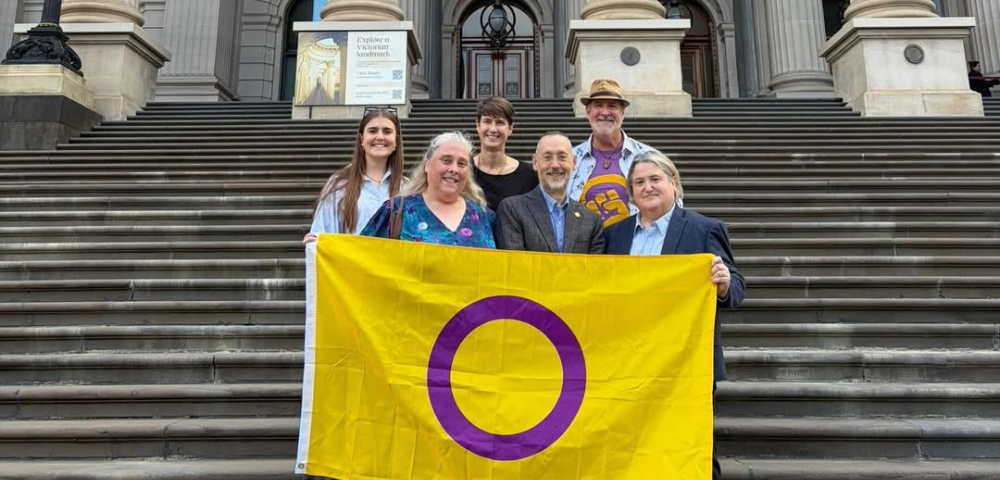
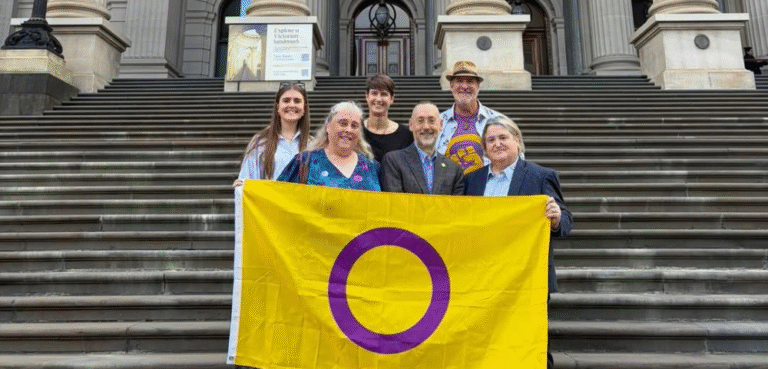
Intersex advocates have welcomed landmark legislation progressing through Victoria’s lower house that aims to protect intersex children from unnecessary and irreversible medical procedures, marking a significant step forward in long-running efforts to strengthen bodily autonomy protections.
The bill passed without opposition on Thursday 5 February, introducing new safeguards that would delay deferrable medical interventions until a young person is able to make decisions for themselves. Independent assessment panels would oversee proposed treatment plans under the reforms.
Equality Australia Legal Director Heather Corkhill said the legislation was designed to prevent harm while maintaining access to appropriate care.
“These reforms are about stopping unnecessary harm – not stopping necessary and appropriate care,” she said.
“Intersex people deserve the right to decide what happens to their own bodies, rather than being subjected to interventions that are not medically necessary and can cause permanent physical and psychological harm.”
Corkhill said the changes were critical to preventing lifelong harm.
“Too many intersex children are still at risk of undergoing unnecessary medical procedures that could be safely delayed or avoided altogether if the right safeguards were in place,” she said.
The reforms follow decades of advocacy by intersex people and community organisations and build on similar protections introduced in the ACT in 2023.
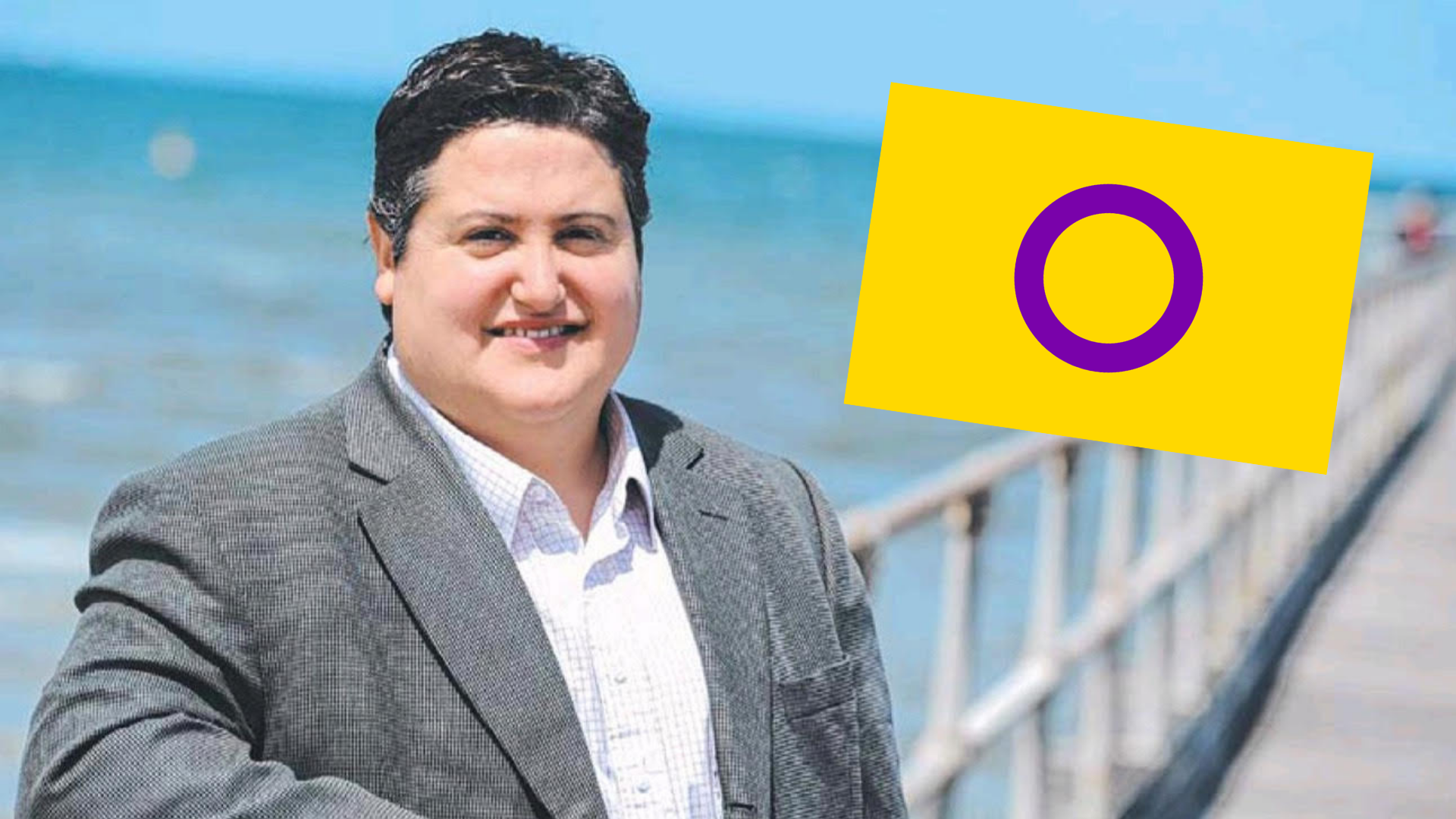
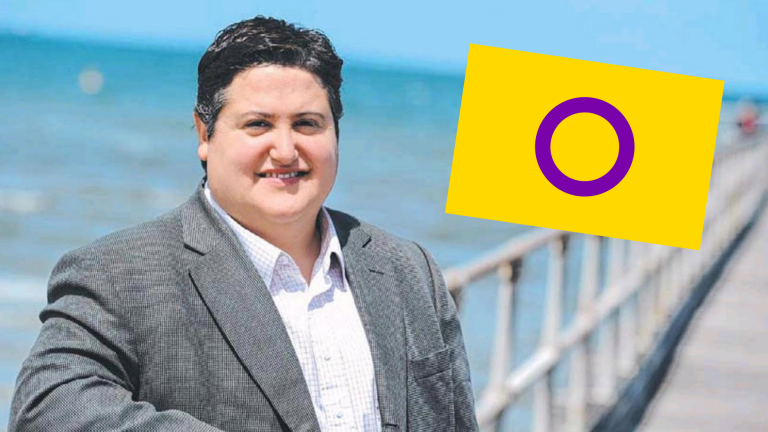
Long-standing intersex advocate Tony Briffa, Co-Chair of InterAction for Health and Human Rights and patron of Equality Australia, described the bill’s progress as deeply personal.
“The passage of this bill through the lower house is a defining moment in my life, and an extraordinary moment for my community,” Briffa said.
“What happened to me, and to many others, was wrong.
“I now call on every member of parliament in the upper house to support this legislation, which simply protects a child’s right to make deeply personal and intimate decisions for themselves, when they are mature enough to do so.”
Sean Mulcahy, policy advisor for the Victorian Pride Lobby, said the bill would prohibit medical practitioners from knowingly or recklessly performing deferrable medical treatments on intersex children without consent and without an approved treatment plan.
“Independent oversight would provide clarity, accountability and human rights–based guidance, without standing in the way of urgent care, helping ensure every child has the chance to decide what happens to their own bodies,” Mulcahy said.
“This bill ensures there is appropriate caution before medical treatments that alter a child’s sex characteristics are performed.”
Dr Morgan Carpenter, bioethicist and Executive Director of Intersex Human Rights Australia, thanked Members of the Legislative Assembly for supporting the legislation following years of consultation.
“I’d like to warmly thank the Members of the Legislative Assembly for their support for the bill, and for a heartfelt, respectful and kind debate, and the overwhelming vote of support for the proposals today. The bill proposes to regulate a small set of medical interventions on children who are too young to express their own views of treatment. The bill is the product of more than five years of long, careful and detailed consultation with all stakeholders,” Dr Carpenter said.
“While no convictions are ever likely, it provides for proportionate and necessary penalties for non-compliance. I hope that the Legislative Council debate will be as thoughtful, and the bill will pass without amendment.”
How this legislation protects intersex children, and what happens next
People with intersex traits differ from medical and social norms for male and female bodies including differences in anatomy, reproductive organs or hormonal and chromosomal patterns.
There is no universal agreement on the number of variations or the precise population of people considered to have variations in sex characteristics, but at least 40 known variations occur across approximately 1.7 per cent of the population.
Intersex children often undergo medical procedures before reaching the age of consent that can have long-term consequences, including: loss of sexual function and sensation , loss of fertility , urinary tract issues, including incontinence, ongoing medical treatment or repeat surgeries , incorrect gender assignment, loss of autonomy and loss of choice, and negative self-image.
The legislation follows calls from the Australian Human Rights Commission in 2021 urging governments to prevent harmful medical interventions without personal consent, and comes after the Australian Medical Association earlier this year backed the deferral of non-urgent procedures for intersex people unable to consent.
The bill will now move to Victoria’s upper house for further debate.



Support the Star Observer… while you still can
LGBTQIA+ media is under threat. Queer content is censored by tech conglomerates who amplify bigotry and push out AI slop — so we receive less financial support than ever.
When our community is muzzled and intolerance intensifies, we need queer media more than ever. Your donation means we can continue paying queer journalists to write queer news.
Don’t rely on the straight lies of big tech – support Star Observer instead and donate now.