
Victoria Moves To Protect Intersex Children From Non Consensual Medical Interventions
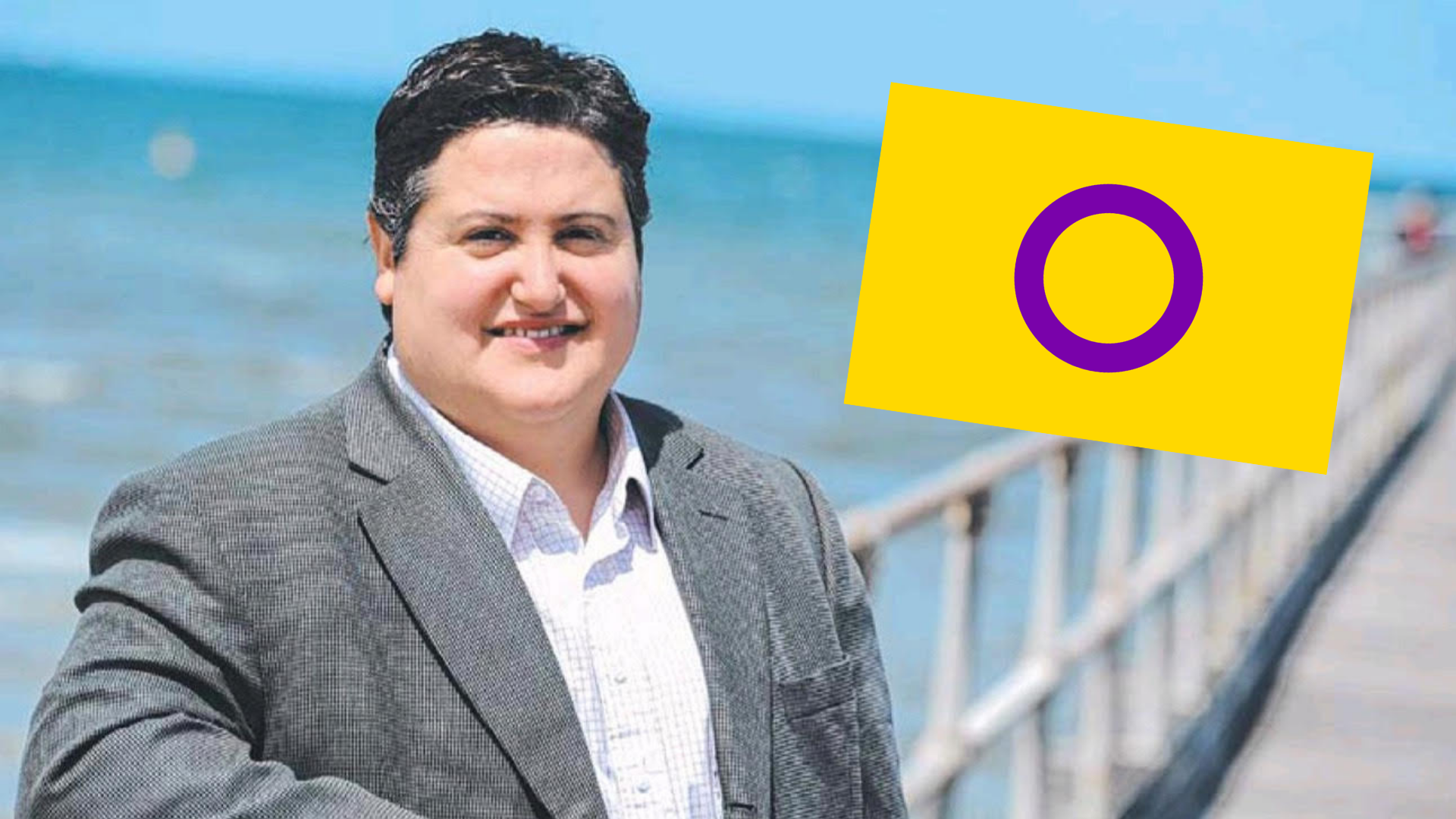
Image: Tony Briffa. Image: Supplied.
Intersex advocates and LGBTIQ+ organisations have welcomed landmark reforms introduced in Victoria this week.
The reforms mark a significant advance in bodily autonomy for people born with variations in sex characteristics (IVSCs).
The Victorian Government has introduced a Bill to Parliament that will restrict deferrable medical treatments on intersex children until the individual is capable of giving informed consent. Under the new framework, any non urgent procedure that alters sex characteristics will require the approval of an independent expert panel. The reforms build on decades of activism by intersex people and their allies.
Intersex advocates say reforms “A long time coming”
Long time intersex advocate and Co-Chair of InterAction for Health and Human Rights, and patron of Equality Australia, Tony Briffa welcomed the move, saying, “This is about safeguarding every person’s right to make decisions about their own body. Procedures that alter sex characteristics raise profound and deeply personal questions – questions that I wish I had the chance to answer for myself.”
Briffa added, “Today is very emotional for me – I have spent 25 years fighting to see these reforms make it to parliament to protect future generations of intersex children in Victoria.”
They also called on other jurisdictions to follow, saying, “I commend the government for introducing legislation that protects a child’s right to make these incredibly personal and intimate decisions for themselves when they are mature enough, and I call on other states to adopt similar protections.”
Executive Director of Intersex Human Rights Australia (IHRA), bioethicist Dr Morgan Carpenter, said the reforms are necessary because, “People with intersex variations routinely undergo harmful practices – unnecessary medical interventions before we can consent – to make our bodies fit gender stereotypes or to mitigate hypothetical risks of stigmatisation.”
Dr Carpenter added, “Unnecessary medical interventions without personal consent don’t reduce stigma – they reinforce it. The resulting loss of sensation, function and bodily autonomy all contribute to adverse physical and mental health.”
“Victoria is the first state and the second jurisdiction in Australia to introduce these vital reforms. We thank the government for its heartfelt support, we invite all members of parliament to support these measures, and we encourage other Australian governments to step up.”
Equality Australia CEO Anna Brown said the legislation addresses long-standing harm. “These reforms will ensure intersex people can decide what happens to their own bodies, so they are not left with the physical and psychological scars of unnecessary medical decisions made about them without their say,” she said.
Brown added that “too many intersex people have had to live with the consequences of decisions they had no real part in – and which could have waited until they were old enough to have a say.”
“We welcome this Bill which marks a significant development in advancing the human rights of intersex people in Victoria, and we urge all MPs to back these reforms and help protect future generations from harm.”
What the Bill will change
The Bill proposes a new system of oversight for medical care involving intersex people. Permanent or hard to reverse treatments that alter sex characteristics will no longer be permitted unless the person can give informed consent or, in cases where they cannot, unless an independent expert panel agrees the intervention is essential to prevent significant harm. This panel will include intersex people with lived experience, along with experts in medicine, human rights, law, ethics and mental health.
Urgent, medically necessary care will continue unaffected, ensuring that life saving interventions and treatments aimed at preventing serious pain or distress remain available without delay.
Families will receive clearer, more consistent information about their child’s intersex variation and the risks and benefits of possible treatments, including the option to defer or decline intervention.
Parents will continue to consent to medically necessary treatment, supported by new safeguards designed to ensure decisions prioritise the long term wellbeing and autonomy of the individual.
A turning point built on years of advocacy
The Victorian reforms follow decades of community activism after Victoria’s intersex community has been raising concerns about inadequate medical support, lack of appropriate services and the emotional strain placed on families navigating complex decisions for years.
In 2019, the state government launched a historic set of resources for health services and families, acknowledging that better information and guidance were urgently needed. In 2021, the government formally committed to banning non consensual, intrusive intersex surgeries, a commitment now taking its legislative form with the newly introduced Bill.
People with intersex variations have physical or biological traits, such as anatomy, reproductive organs, hormones or chromosomes that do not fit typical medical or social expectations of “male” or “female.” While there is no universal definition of which variations are considered intersex, at least 40 known types exist, and they occur in an estimated 1.7% of the population.
In recent years, there has been growing recognition in Australia of the need to protect intersex people, particularly children, from non urgent medical interventions carried out without their informed consent. In 2021, the Australian Human Rights Commission called on governments to prevent unnecessary and potentially harmful procedures. The Australian Medical Association followed in 2023 with a motion urging that all non essential treatments be deferred until the individual can decide for themselves.
That same year, the ACT became the first jurisdiction to enact laws banning such interventions without personal consent.
These changes reflect longstanding concerns about the consequences of early medical procedures on intersex children, which may include loss of sexual function, fertility issues, urinary complications, repeated surgeries, incorrect gender assignment, and significant impacts on autonomy, wellbeing and self-image.
A new report released by Equality Australia highlights the current landscape of these interventions and provides insight into current surgical and other medical interventions on intersex children in Australia and the rationales driving these decisions.




Support the Star Observer… while you still can
LGBTQIA+ media is under threat. Queer content is censored by tech conglomerates who amplify bigotry and push out AI slop — so we receive less financial support than ever.
When our community is muzzled and intolerance intensifies, we need queer media more than ever. Your donation means we can continue paying queer journalists to write queer news.
Don’t rely on the straight lies of big tech – support Star Observer instead and donate now.