
Marjorie Harwood: Mother Urges Chief Magistrate To Order Coronial Inquest Into Death In Custody
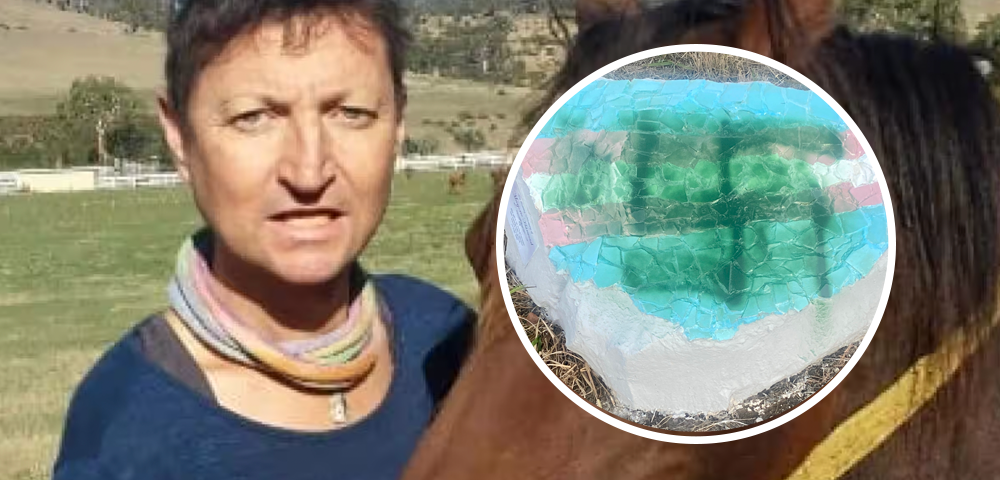
Image: Image: Composite Supplied: Rosemary Harwood/Equality Tasmania
The mother of transgender woman Marjorie Harwood has renewed calls for a coronial inquest into her daughter’s death, urging Tasmania’s Chief Magistrate to exercise her discretion in light of new evidence about Marjorie’s time in prison and the circumstances leading up to her death.
On Friday, Marjorie’s mother Rosemary Harwood held a media conference on Parliament Lawns alongside barrister Greg Barns SC, chair of the Tasmanian Prisoner Legal Service, calling for the Chief Magistrate to grant an inquest under section 24A of the Coroner’s Act 1995 (Tas).
Marjorie Harwood, a transgender woman, died in 2018 after refusing life-sustaining medical treatment following a sexual assault while incarcerated at Risdon Prison in 2017. Despite being well recognised as a transgender woman, she was repeatedly housed in the men’s prison.
The application now before the Chief Magistrate includes new and additional evidence not previously considered by the Coroner. This material includes statutory declarations from Rosemary Harwood and two of Marjorie’s friends, who state that Marjorie told them she had been raped in prison and expressed fear about returning to custody.
Also included is a statement from UNSW academic Dr Paul Simpson, who notes that non-reporting of sexual assault in prison is common, particularly among vulnerable groups, as well as a statement from a long-term prisoner who says he was told by a prison guard that Marjorie had been raped. The individual has been de-identified due to concerns about potential repercussions.
Rosemary Harwood said the new evidence directly challenges earlier conclusions that there was no basis to investigate the role Marjorie’s prison experiences may have played in her death.
In October 2023, Rosemary Harwood first lodged a brief with the Coroners Court seeking an inquest, arguing that recommendations could help better protect transgender people in custody. That application was rejected in April 2025, with the Coroner finding there was insufficient evidence to warrant an inquest and concluding that Marjorie’s death was due to natural causes.
In written reasons, the Coroner stated it was “inconceivable” that a rape in prison would not have been documented, or that Marjorie would not have reported it, and found no evidence that fear of returning to prison was a factor in her refusal of dialysis.
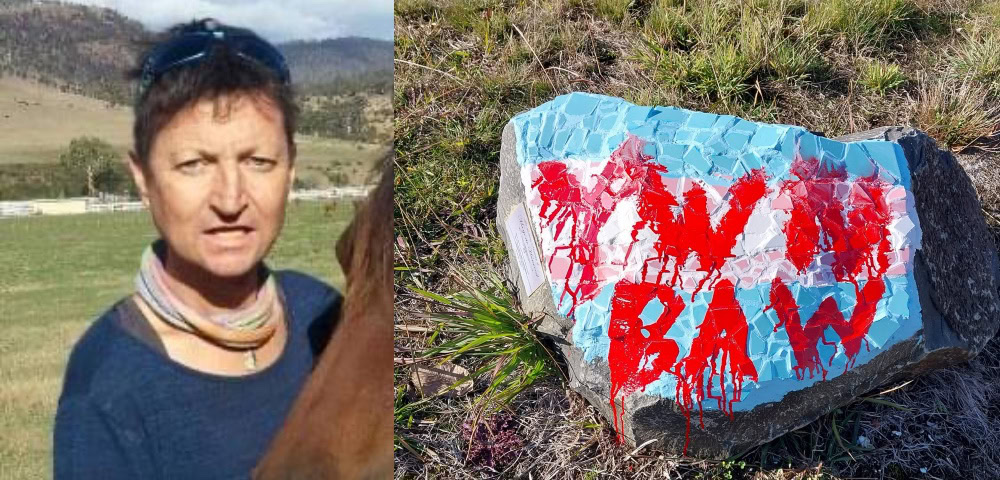
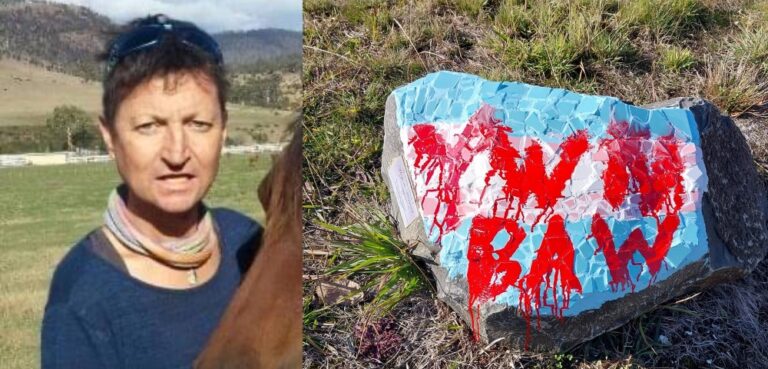
Those findings have been strongly contested by Marjorie’s family and advocates. As previously reported by Star Observer, the case has remained a flashpoint for broader concerns about the treatment of transgender people in Tasmania’s prison system, particularly following repeated vandalism of a memorial for Marjorie and ongoing community calls for accountability.
Further scrutiny emerged in May 2024, when it was revealed that Tasmania Prison Service had maintained a transgender prisoner policy since 2009 but failed to implement it. Despite Marjorie being imprisoned seven times between 2009 and 2017 for minor offences including shoplifting and bail breaches, she was always housed in a men’s facility.
The Coroner’s decision also came just months after the Tasmanian Custodial Inspector reported that members of the LGBTQIA+ community are “particularly vulnerable in prison environments”, a finding that has been cited by Marjorie’s legal team in support of a fresh inquest.
Under section 24A of the Coroner’s Act, the Chief Magistrate may hold an inquest into a death previously investigated by a coroner if she considers it “desirable to do so”. Rosemary Harwood and her lawyers argue that the new evidence, combined with broader findings about systemic vulnerability, meets that threshold.
Barns said the application seeks not only answers for Marjorie’s family, but systemic change. He said an inquest could examine whether failures to protect a transgender prisoner contributed to Marjorie’s death and whether reforms are needed to prevent similar tragedies in the future.
The Chief Magistrate is yet to indicate whether she will grant the inquest.

Support the Star Observer… while you still can
LGBTQIA+ media is under threat. Queer content is censored by tech conglomerates who amplify bigotry and push out AI slop — so we receive less financial support than ever.
When our community is muzzled and intolerance intensifies, we need queer media more than ever. Your donation means we can continue paying queer journalists to write queer news.
Don’t rely on the straight lies of big tech – support Star Observer instead and donate now.