
Regional LGBTQIA+ Australians Face Higher Rates Of Discrimination

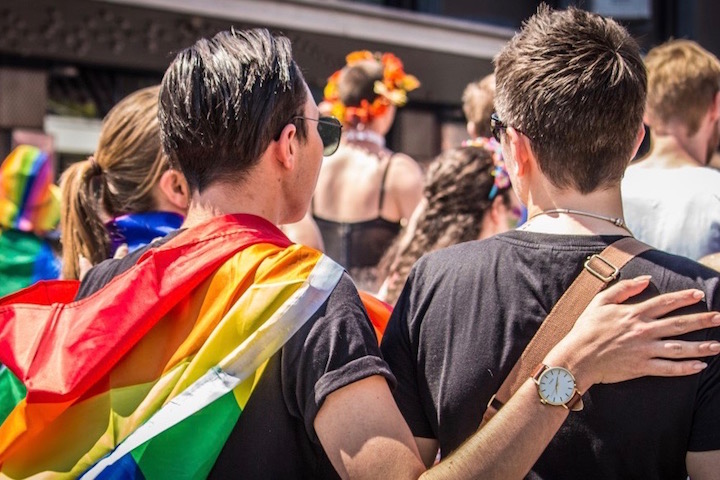
Charles Sturt University research has found that LGBTQIA+ people living in regional and rural Australia are experiencing higher levels of discrimination compared with their metropolitan counterparts, according to results from the second Regional Rainbow Survey.
The findings show that participants in regional communities reported increased experiences of discrimination over the past 12 months.
Associate Professor in Marketing Dr Clifford Lewis and Professor Suzanne McLaren conducted the Regional Rainbow Survey for the second year. The survey was conducted with 117 adults living in rural and regional areas who identify as part of the LGBTQ+ community.
Participants noticed more hate towards their community, particularly more transphobia and violence towards trans women.
More than 40 per cent of participants indicated they experienced discrimination from people they did not know, and approximately a quarter of respondents experienced discrimination at work and from family and friends.
Fifteen per cent indicated they experienced discrimination while accessing physical health care while 16 per cent said they wanted more gender-affirming health care services and knowledgeable general practitioners.
“LGBTQ+ people in rural or regional Australia still report worse mental health compared to those in our cities,” Dr Lewis said.
“One in three with a diverse sexual orientation, and two in five with a diverse gender identity, are not out to some degree. This speaks to the fear LGBTQ+ in regional communities live with.”
Researchers said the survey highlights ongoing disparities between metropolitan and regional experiences of inclusion and safety. The report notes that the findings are based on self-reported experiences from LGBTQIA+ people across regional Australia and form part of a broader effort to track changes over time in community wellbeing and discrimination.
The second iteration of the Regional Rainbow Survey identified that LGBTQIA+ people in regional areas continue to face barriers linked to visibility, safety and access to support services, with respondents indicating that discrimination remains a significant issue in their daily lives.
The research forms part of a wider project by Charles Sturt academics aimed at documenting the experiences of LGBTQIA+ people in regional and rural communities and informing future policy and support initiatives. The survey is designed to build a longitudinal dataset to better understand changes in wellbeing, inclusion and discrimination over time.
The university has said the survey results will be used to guide further research and to inform community and institutional responses aimed at improving support for LGBTQIA+ people in regional Australia. They also note that in regional Australia where LGBTQ+ discrimination is at its worst, allies are important for the mental and physical health of LGBTQ+ members.
“We need more allies in rural and regional towns,” he said.
“Allyship can happen in all the small things – like reporting anti-trans hate speech on social media, reminding your LGBTQ+ friends, family and neighbours that you love them, and calling out discrimination when you see it.”
The findings contribute to a growing body of Australian research indicating that LGBTQIA+ people in rural and regional settings experience distinct challenges compared with those in urban centres, particularly in relation to discrimination and access to appropriate services.
Support the Star Observer… while you still can
LGBTQIA+ media is under threat. Queer content is censored by tech conglomerates who amplify bigotry and push out AI slop — so we receive less financial support than ever.
When our community is muzzled and intolerance intensifies, we need queer media more than ever. Your donation means we can continue paying queer journalists to write queer news.
Don’t rely on the straight lies of big tech – support Star Observer instead and donate now.