
Hair: Director Glenn Elston On Why The Iconic Rock Musical Still Resonates Today
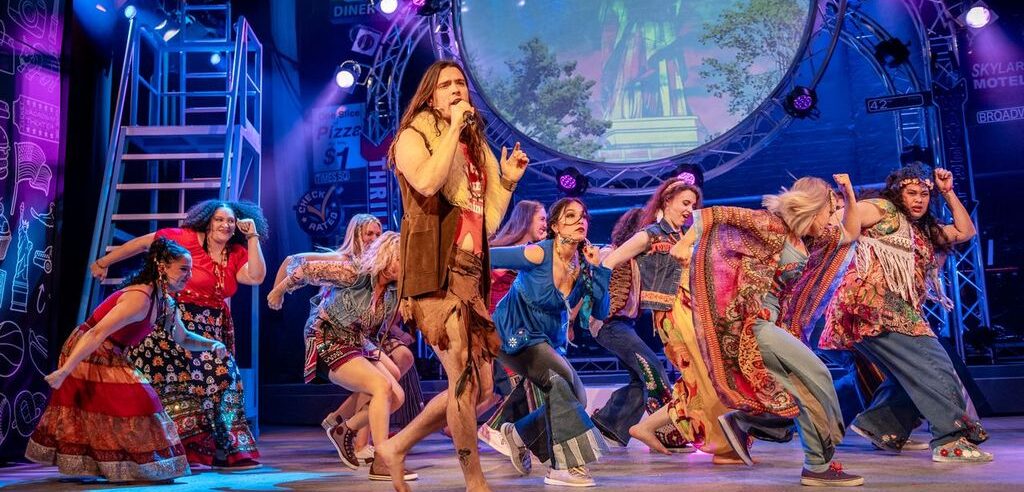
Image: Photo: Supplied
Director Glenn Elston recently spoke to Star Observer‘s sister site City Hub about the latest production of rock musical Hair, which is soon to grace the Sydney stage.
Hair: The Tribal Love-Rock Musical is a protest play against war, which was sparked by the unbelievable carnage that came with the Vietnam war.
“The story takes on the incredible concept of being able to abuse the people of colour and it was the beginning of the change that came in stopping all of the verbal abuse. It also has things to say about religion but ultimately underneath all the aggressiveness and human-less elements it’s about love and caring,’ explained Elston.
There are 22 performers and the band of 5 musicians who are set on stage are part of the visual, reinforcing the rock concert feel. Unforgettable hit songs include Aquarius, Good Morning Starshine, Let The Sunshine In and the title track Hair. It’s described as a less traditional musical and more a rock ritual, with a political edge.
“The authors said that we don’t want to do anything traditional – we never did – we’ve worked very hard to make it nontraditional theatre and that works very well.”
Elston believes that Hair should resonate with today’s social and political climate because this is one of the rare musicals that takes a very strong political standpoint against violence in general, but especially war. He strongly affirms that its relevance is heightened by today’s activities and stupidity.
When asked whether this musical is controversial, Elston laughed that ‘controversial’ is almost hard to achieve these days, compared to when the play first opened on Sydney stage in 1969.
“But it definitely still is controversial because there’s a group nude scene on stage and it makes comments on religion, promotes freedom of love and sexuality. These are themes that are still regarded as socially controversial.”
Previous productions of Hair have involved audience interaction, but Elston said this is not an immersive experience in the traditional sense.
“There’s minimal banter with the audience, but we’d like to think that it’s immersive in the fact that people will get on board and go on this wonderful journey with us.”
Hair has been described as a queer classic. When asked why the LGBTQIA+ community is still obsessed with this musical after so many years, Elston was quick to respond.
“It takes the stance of accepting any sexuality and any framing of relationships that you would like to undertake. There’s no criticism and there’s no judgement. The queer community likes to be engaged with it because it’s a great musical and also has the attitude which is supportive.”
This musical should appeal to the older audiences who may have seen the first production in 1969 – people who experienced the fight against war and conscription – but it should also appeal to the younger generations.
“We’re also desperately trying to reach out to the younger people to see this because it’s for them and their future. It’s positive and gives the opportunity to be stimulated and to stand up and do something about these social issues.”
The message audiences should absorb from Hair is that nothing has really changed – this musical is trying to stimulate social change.
“Hopefully audiences will gain enormous emotional support for their caring and sharing of what’s going on in the world and this rock musical is behind them saying exactly the same thing – ‘Stop the war! Stop killing the children!’” concluded Elston.
‘Hair: The Tribal Love-Rock Musical’ is showing at the Theatre Royal from June 6.
Support the Star Observer… while you still can
LGBTQIA+ media is under threat. Queer content is censored by tech conglomerates who amplify bigotry and push out AI slop — so we receive less financial support than ever.
When our community is muzzled and intolerance intensifies, we need queer media more than ever. Your donation means we can continue paying queer journalists to write queer news.
Don’t rely on the straight lies of big tech – support Star Observer instead and donate now.