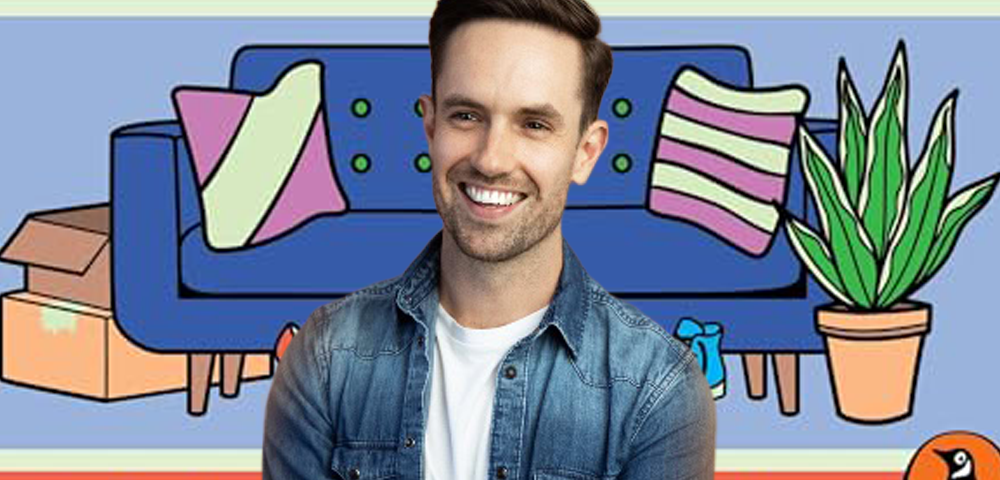

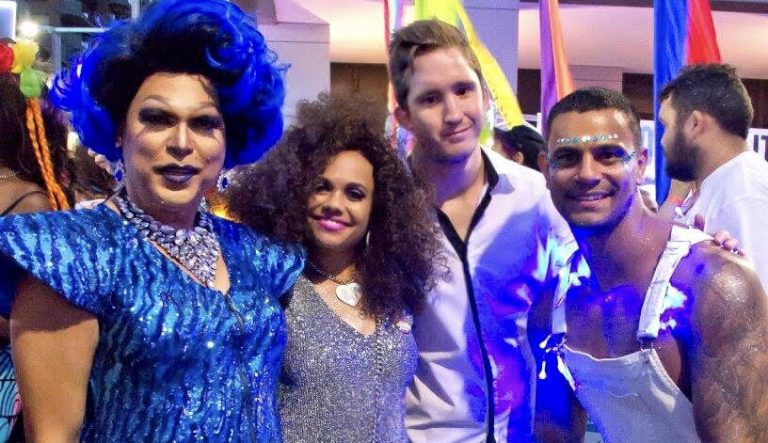
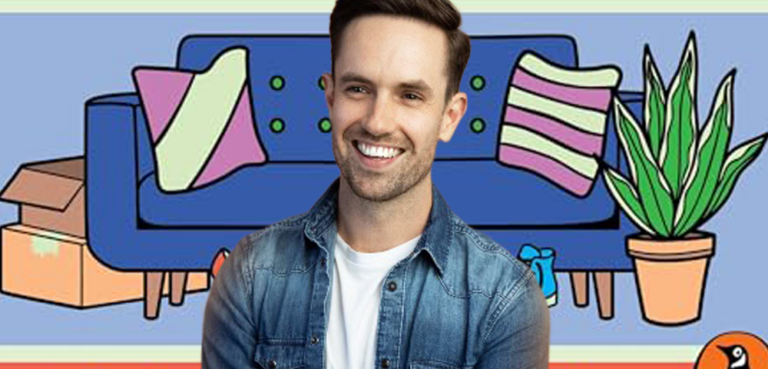
Gay Wiradjuri Man Jake Gablonski Explores Identity And Belonging In New Book ‘Brave Like Bunji’
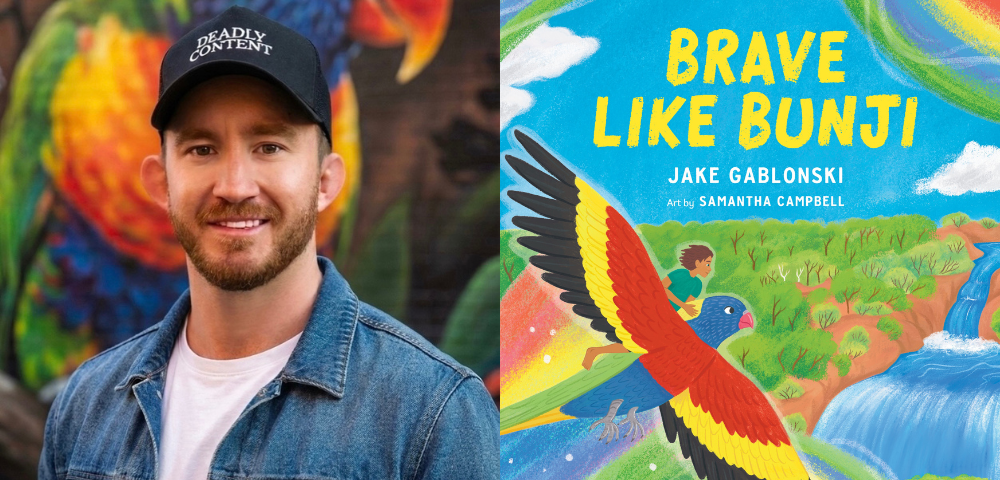
“As a kid, you start to notice what feels safe and what doesn’t,” he says. “Sometimes one part of you might be welcome in a space, but another isn’t,” says author Jake Gablonski.
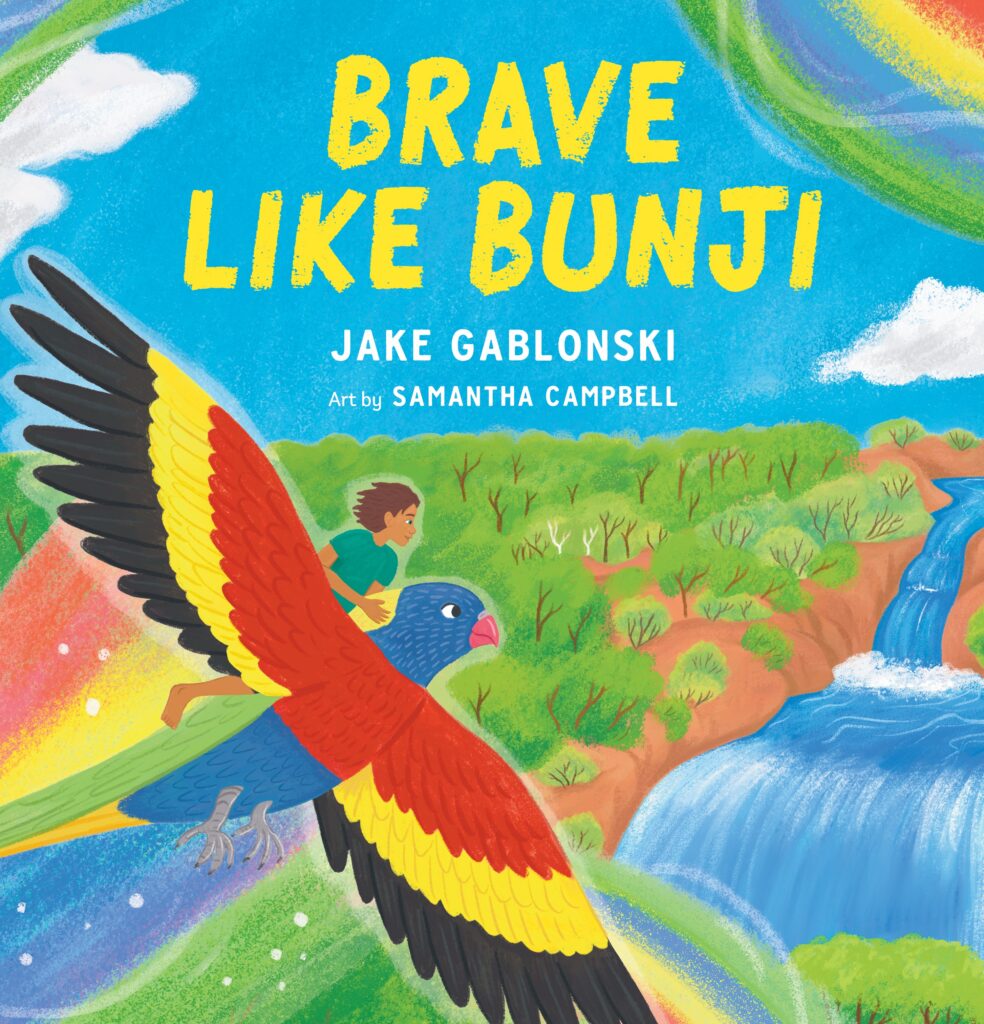
Gay Wiradjuri man Jake Gablonski has released a beautiful book called Brave Like Bunji, a children’s book exploring identity, belonging and self-understanding, on National Reconciliation Week. The book draws directly from his experience growing up navigating spaces where different parts of his identity were not always equally accepted.
The book follows a young boy named Bunji as he navigates uncertainty, supported by people and environment around him. It draws on the landscapes of Katherine and includes language used with community approval.
“Brave Like Bunji is a book about self-esteem. In essence it’s about planting the seed of the language around self-esteem and saying what you want and what you feel and wrapping support around that – so I wrote the story essentially that I would have needed as a child,” Gablonski told Star Observer.
“I think a lot of the reason I wrote it is because in regional and remote communities, there isn’t a lot of visibility and it’s really hard to find your way as both the First Nations and gay follow. I wanted to write it so that young people and families could sit and unpack it together because it does start at a young age, you start to sort of think about these things and think about how you interact with people who might be figuring this out or wondering different things and I think it all begins with communication.”
Jake Gablonski is an Australian media presenter, speaker and author. Raised in Katherine in the Northern Territory, he works across television, radio and live events. Gablonski has said his early life in Katherine shaped how he understood identity from a young age, including noticing how different aspects of identity were received in different environments.
He has also said that as a gay First Nations man, this awareness continued into adulthood, including through his schooling and later work in community settings and community radio, where he adjusted how much of himself he shared depending on context.
“I showed up as two different people depending on where I was,” he has said. “Over time, you realise that comes at a cost.”
At age 10, Gablonski experienced a serious head injury that resulted in hospitalisation. He has said the experience and its aftermath contributed to how he later understood connection, identity and wellbeing. During his teenage years, he experienced post-traumatic stress disorder.
“It wasn’t the accident itself that stayed with me,” he said. “It was everything that came after.”
Brave Like Bunji began as a personal reflection. Gablonski has said it developed into a story he wished he had access to when he was growing up, particularly for children who may not yet have language for their experiences.
“I wanted to write something gentle,” he has said. “Something that reassures young people they don’t have to do it alone, and they don’t have to rush figuring things out.”
Gablonski says that he didn’t want to be too prescriptive or “lecture” children in his book.
“I think young people absorb a lot through their formative years. And I think if we lecture too hard we take away that agency for them to figure things out as well. So I think the importance of children’s stories is to gently sort of prompt conversations and prompt communication with the people that they love and they trust, so that there is that connection there and so that they’re able to unpack their thinking in a way that’s going to empower them to learn, going to power them to interact better, going to empower to understand themselves better.”
Brave Like Bunji is out now.
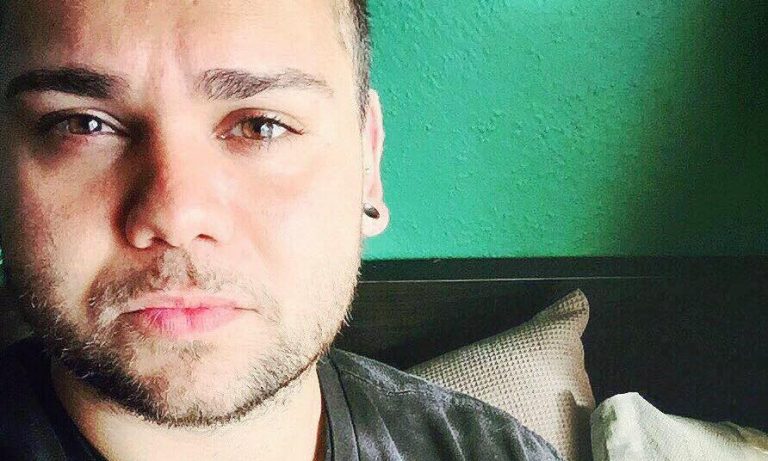
Support the Star Observer… while you still can
LGBTQIA+ media is under threat. Queer content is censored by tech conglomerates who amplify bigotry and push out AI slop — so we receive less financial support than ever.
When our community is muzzled and intolerance intensifies, we need queer media more than ever. Your donation means we can continue paying queer journalists to write queer news.
Don’t rely on the straight lies of big tech – support Star Observer instead and donate now.