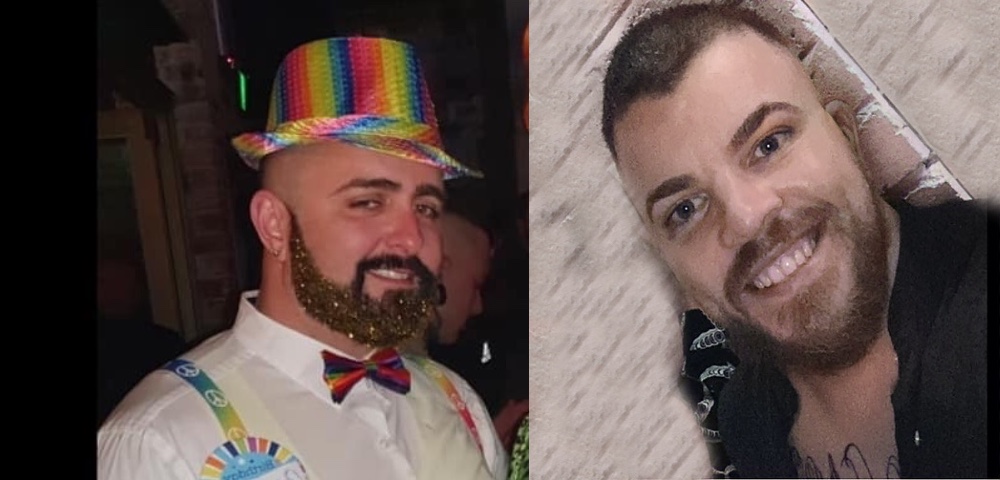

An Ode To A Perth Icon: Connections Nightclub Turns 50 Years Old
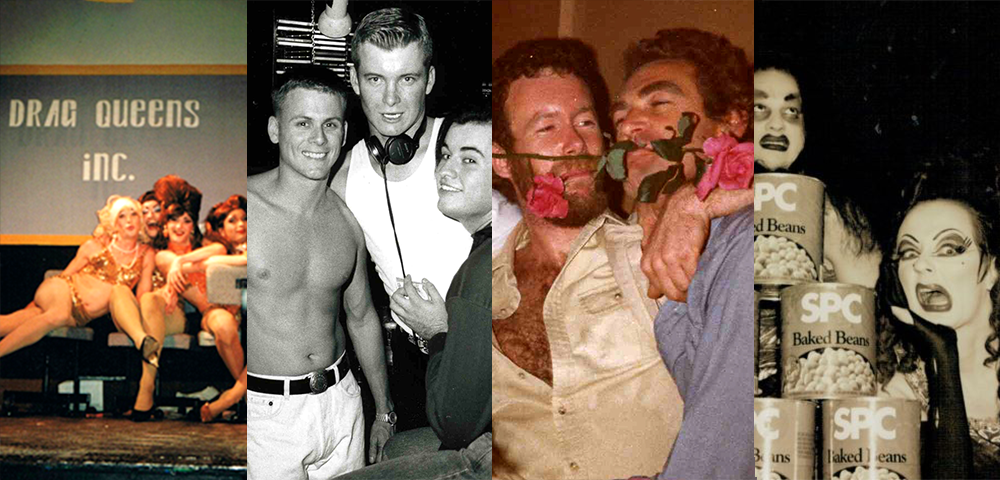
Image: All photos: Supplied by Connections
In the heart of Northbridge — above the rooftops, behind the heavy doors and under the soft throb of coloured lights — there’s a place that has unified generations of LGBTQIA+ folks in the Western half of the country. This week, Connections turns 50.
Queer history is often passed on through oral storytelling, and spaces like Connections end up being the keepers of our tales. The nightclub’s walls may not be able to speak (can you imagine the secrets and gossip they must hold!) but instead, we had the privilege of a long, illuminating chat with the owner of Connections, Tim Brown.
Brown has been the dedicated owner of Connections since the early ‘90s, and our conversation traverses the highs — stories of peerless and phenomenally raucous drag shows that are still raved about decades later — to the lows — the AIDS crisis; countless staff and patrons who were lost, but always remembered. I feel a rollercoaster of emotion throughout the conversation, that emulates the life-changing highs and brutal lows that the walls of Connections have witnessed.
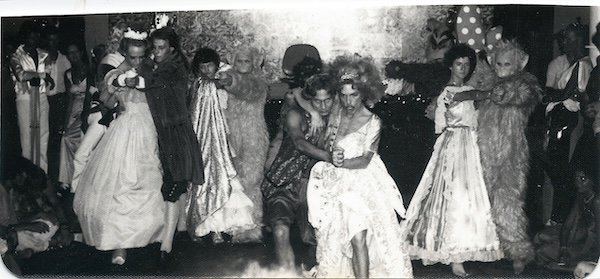
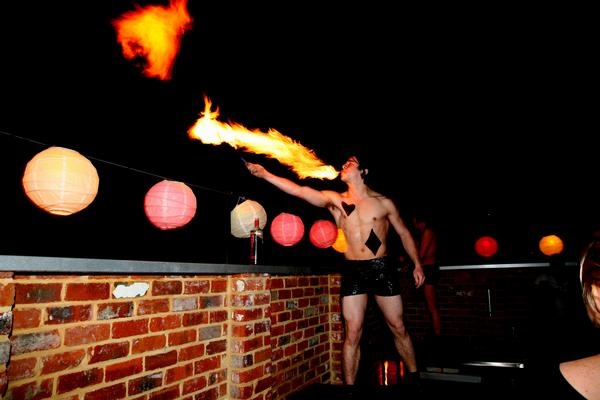
‘Connies’ is a landmark of Australian LGBTQIA+ survival — one of the oldest queer venues in the country, and a place that has shaped, sheltered and celebrated Perth’s community for half a century.
1975: A quiet opening in a loud world
When the club first opened in 1975, homosexuality was still criminalised. Gay bars did exist, but this was an era they kept to the deep underground; whispered directions, carefully guarded doors.
As Tim puts it to me, Perth was “a small town,” and when Connections opened, the venue was more out in the open than others had been, but it still couldn’t really open with too loud a bang.
It was actually founded by two straight men — Dennis Marshall and Walter Furlong — but the direction on how to create a space specifically for LGBTQIA+ people came from an out-and-proud gay man, James Phillips.
Word spread quietly, person to person. The first advertisements weren’t neon signs; they were placed discreetly in the Sunday paper.
But the mission was clear: this place was for the community.
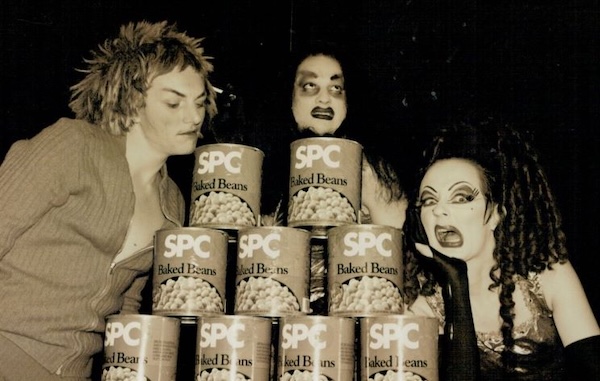

Connections: there through joy, through community action, and through devastation
Over the years, the venue evolved into far more than a bar or a dance floor.
It became a refuge during some of the queer community’s most difficult decades — particularly during the AIDS crisis. Tim explains that they were there when the Western Australian AIDS Council (now WAAC) was founded in 1985, and worked closely with them from the very beginning.
People fundraised here, held memorials here, came together here when the world outside felt cruel or looked away. Connections was always the first to offer if HIV/AIDS organisations like WAAC needed a space to meet, hold events.
These organisations would also always be at the club doing outreach. “There were always safe sex angels in the club,” Tim explains. “There were always condoms around. There were always posters in the toilet. There still are posters in the toilet. There never hasn’t been.”
Tim’s voice softened when we talked about that period — it’s clear to me that these years shaped him as much as they shaped the club. And this is where it becomes impossible not to feel emotional, listening to him describe what was lost, and what they built to help each other survive it.
Holding space in grief — remembering those lost during the AIDS crisis
When Tim took over the venue in 1991, the community was still deep in the AIDS crisis, and he told me plainly that the club had been “gutted” — not just in atmosphere, but in people. “The previous manager passed away, along with several of the staff. Everyone was just broken,” he said.
They weren’t abstract losses; they were friends pouring drinks one month and gone the next, performers who never made it back to the stage, regulars whose absence left hollows in the room.
In the middle of it all, Tim and the team created a quiet ritual, first honouring the loss of the bar’s choreographer, Robbie: “We built a shrine,” he says, “and we bought some incense and lit a candle for Robbie.”
At first the shrine held just one photo, then a few, but soon “bit by bit, people would go, ‘Can I put a picture of my boyfriend, my partner, my friend?’”. Every night, staff lit the candle and incense before the doors opened, a small act of remembrance glowing around a dance floor.
That shrine now lives in the Western Australian Museum, a permanent reminder that this nightclub wasn’t just a place to party — it was a place where people held each other and refused to let their dead be forgotten.
A temple of drag, dance and chosen family
For all its heaviness, the venue has also always been a place of wildness and theatre — Pride events, weekend production drag shows with six to ten performers onstage, full costumes, elaborate sets and months-long seasons.
Tim animatedly speaks about the legendary “Thunderdome” show of the 80s, spoken about in Perth’s queer circles still to this day — it has taken on the power of a piece of mythologised folklore.
This is a venue that has nurtured drag artists for decades, long before the era of televised drag fame. A venue that doubled itself in size by grassing over the car park and throwing all-night outdoor parties in the pouring rain.
A venue where, on any given weekend, drag queens and kings, dykes, twinks, bears, bis, elders, trans folks, curious straight friends and first-timers have all mixed together under the same lights.
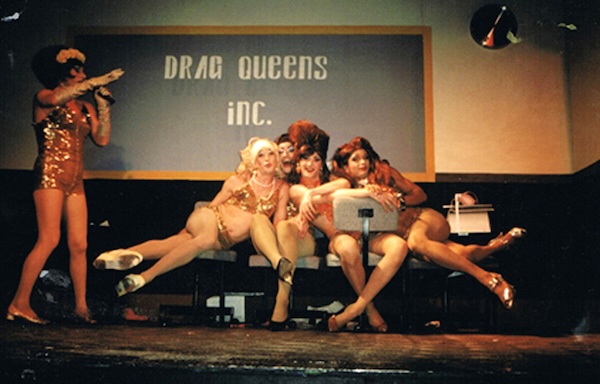
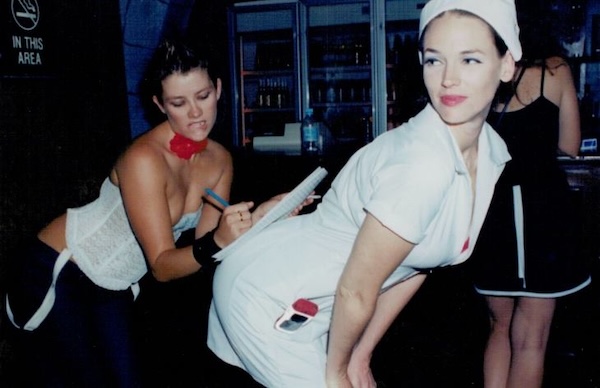
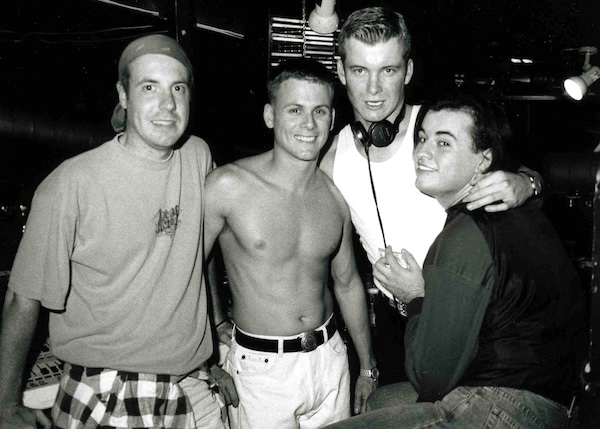
And as Tim explains, that mixing isn’t a threat to queer spaces — it’s one of the things that kept Connections alive. “I won’t ever stop somebody for being straight,” he told me. “I’ll stop somebody for not being tolerant.”
That sentiment has been a guiding principle for decades: you don’t need to be queer to walk in — but you absolutely need to respect this as an LGBTQIA+ space that is first and foremost a safe place for our community.
“It says on the back of our cocktail menu, ‘There are three simple rules; respect yourself, respect others and don’t break our shit,’” laughs Tim.
Why Connections has survived and thrived for fifty years
So many queer venues around the world haven’t survived the last two decades — crushed by gentrification, assimilation, rising costs, waning foot traffic, pandemics.
But Connies has endured — and Tim says this because it has always listened to its community. The space honours its history while constantly evolving to the community’s needs at that moment in time, and never loses sight of who it’s for right now.
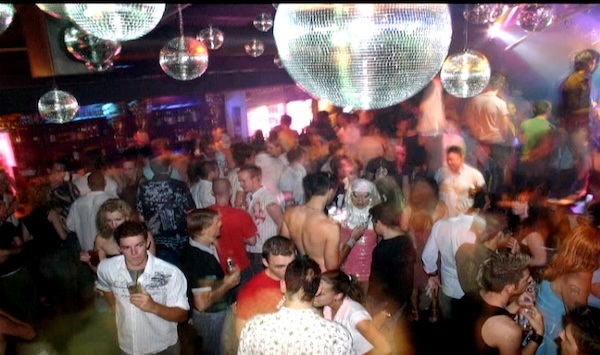
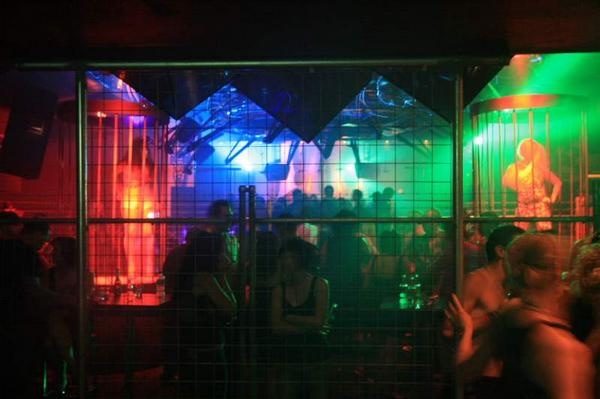
Most of the people who patronise the nightclub today are in their twenties. Many patrons weren’t born when the AIDS crisis was taking the lives of staff and patrons whose photos now sit in the museum.
The space has changed for them, as it has for every generation it has served – the music, the entertainment, the community events. Many current patrons don’t understand the tragedies and heartbreak the community has historically faced, and many older patrons find frustration in this, and the space being so different to the Connections they danced in when they were in their 20s.
Tim, however, says he sees this as a victory.
“That is what they fought for,” he says of the older generation: “A world where [our sexuality and gender identity] doesn’t matter.”
And what a beautiful thing that is, he says: young queer people dancing without fear, in a venue that was built by those who had everything to fear.
The ancient act of dancing together
As Tim and I wrapped up our chat, he admitted he’s still not sure what speech he’ll give at the anniversary event, because he has made so many speeches about the milestone recently. “Have I got any new material?” he joked, before assuring me that the amount of stories his mind holds about the venue is basically endless.
But he also said something that stuck with me long after we hung up the phone: the act of dancing together is an ancient act that is inherent across borders, oceans, cultures and generations.
All cultures have always danced, through time immemorial. Humans have danced to celebrate, to acknowledge, to remember and to grieve. It is part of how we survive, how we soften and how we show both love and lust. For queer people, especially those once forced into shadows, dancing together is an act of resistance and unity.
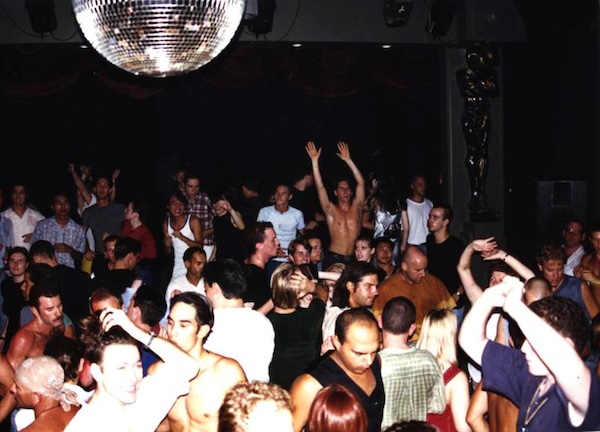

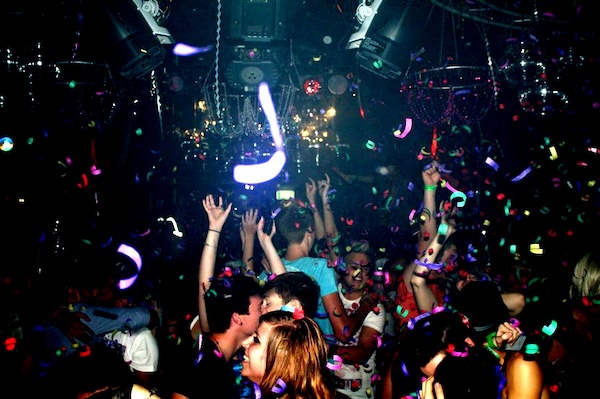
That’s what Connections has offered Perth for fifty years — a place to do all those things; dance for all those reasons.
A place to arrive, nervous for the first time perhaps, but leaving feeling seen, realised, less alone.
A place where stories refuse to be lost — they’re lit by candlelight, retold, remembered, and kept alive.
A place to cheer, flirt, cry, kiss, mourn, rage against the heteronormative machine, and dance with reckless gay abandon.
Star Observer wishes a happy and gorgeously gay 50th birthday to Connections — a holder of stories and folklore, a space of battle-won unity, and a true Perth icon. Here’s to another 50 years.
All photos supplied by Connections.

Support the Star Observer… while you still can
LGBTQIA+ media is under threat. Queer content is censored by tech conglomerates who amplify bigotry and push out AI slop — so we receive less financial support than ever.
When our community is muzzled and intolerance intensifies, we need queer media more than ever. Your donation means we can continue paying queer journalists to write queer news.
Don’t rely on the straight lies of big tech – support Star Observer instead and donate now.