

NIUSIA: A Strangely Warm Reckoning With Inherited Memory
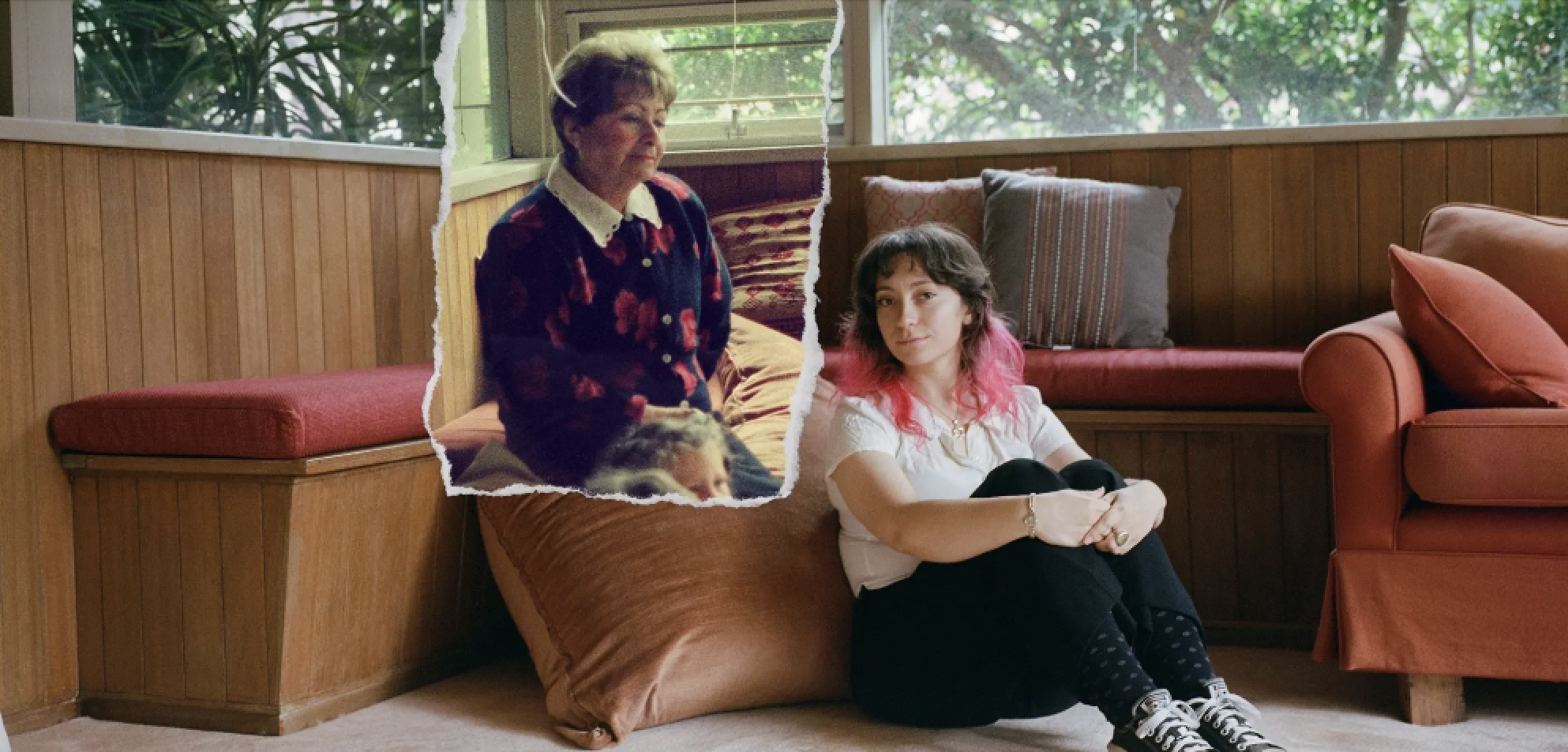
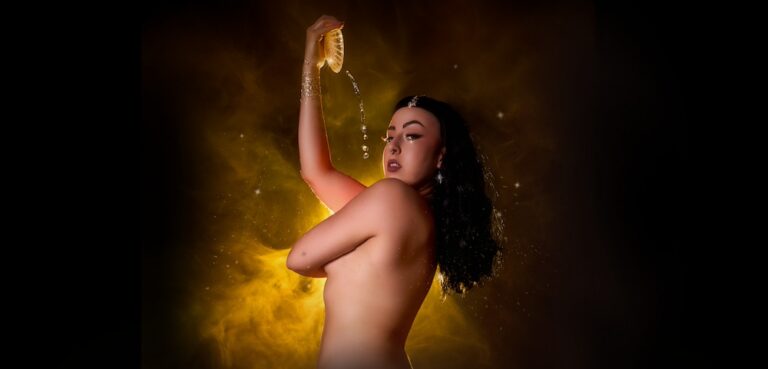
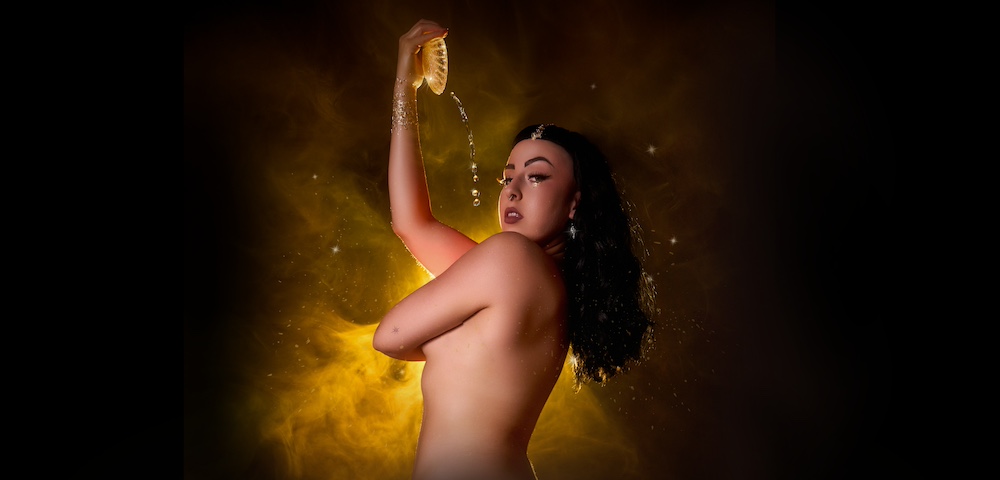
How do you honour the legacy of a woman you hardly knew, and didn’t really like? NIUSIA turns that uneasy inheritance into an intimate, emotionally restless one-woman excavation of identity, remembrance and the family stories we pass on.
Created by and starring Beth Paterson, a Naarm/Melbourne based theatremaker and singer, the part memoir, part reconstruction, and part emotional investigation work follows Paterson as she pieces together the life of her grandmother Niusia—a Holocaust survivor remembered less as a figure of resilience than as a difficult deeply unyielding presence.
Niuisa is a woman whose legacy is felt as much in silence and absence as in anything she explicitly left behind.
Difficult, often unkind, and the kind of person who stopped speaking to her own daughter over a loan with interest attached, Paterson remembers her as a bitch and doesn’t flinch saying so, setting the tone ahead.
The show starts where that feeling starts, with a teenager who just didn’t want to go to grandma’s, and by the time the books are flying across the minimal stage you understand exactly how it grew.
The narrative spools back steadily through Niusia’s Melbourne businesses built singlehandedly after immigration, then further to Warsaw in 1922, ambitions to become a doctor, Auschwitz, and the medical work she was forced to perform under Josef Mengele.
By the time those facts land, Paterson’s earlier irritation looks like something far more complicated.
Paterson threads together her own memories with snippets of voice-recorded interviews with her mother, which plays throughout in warm, unhurried fragments that she interacts with in real time.
It’s a lovely framing device, steady and intimate without overstaying its welcome. Her mother’s version of Niusia carries a tenderness that Beth is only beginning to locate, and that gap between those two perspectives is what drives the show.
It’s less institutional religion than fractured continuity, what Paterson herself frames as a “Jew-ish” identity shaped by distance, rediscovery and partial understanding rather than a doctrine.
Paterson is an engaging presence and her Niusia impression is easily her strongest tool, thick-accented and specific, landing the character through rhythmic imitation.
Her delivery shifts between childlike recall and an almost schoolteacher-like explainer, and you feel her move through rage and confusion toward something closer to acceptance as Niusia slowly comes into focus.
That said, when the show allows itself stillness, it finds a more confident register, particularly in one quietly arresting recollection of Niusia’s experience during the Holocaust, where the performance cuts through its own levity with stark, unadorned force.
The darker jokes don’t always earn their place, landing fragilely on top of the probing place the material creates rather than coming out of it.
And the show keeps reaching for emotional closure then stepping sideways, which blurs its own momentum in a tight sixty minutes. But still, there’s something deliberate in its refusal to settle neatly. The solemnness, when it arrives, is unanimous.
Niusia’s story deserves to be told and Paterson tells it with real heart. The execution doesn’t always match the material, but the material is extraordinary.
Uneven but emotionally honest, what lingers is proximity rather than clarity, questioning what it means to hold and cherish a life that never really fully reveals itself.
NIUISA is playing till 11 April at Qtopia Sydney.