

Why The New GNA Blood Donation Rules Are A Landmark Moment in Australia’s LGBTQ+ History
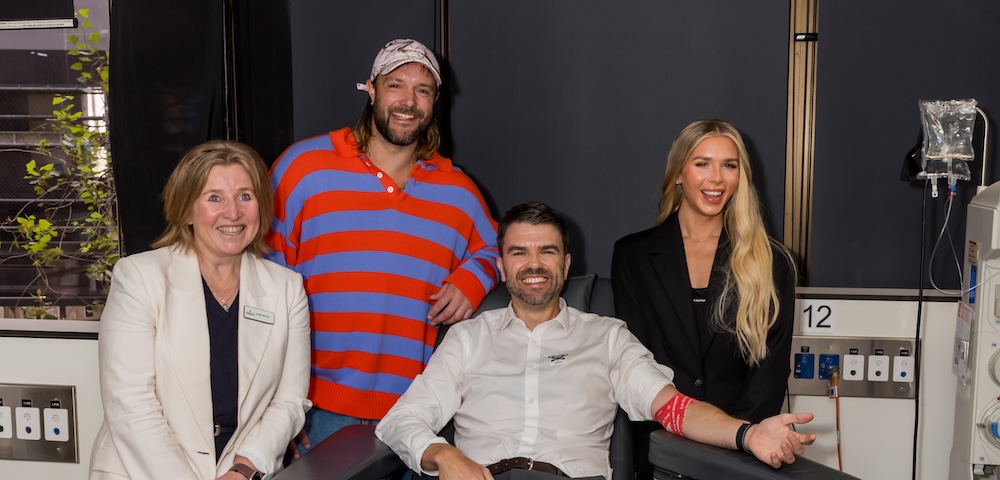
Image: All photos: Mark Dickson
For decades, donating blood came with a quiet but cutting message for LGBTQIA+ Australians: not you. That’s what makes the latest changes from the Australian Red Cross Lifeblood feel so important: we finally get to roll up a sleeve, and be part of something life-saving.
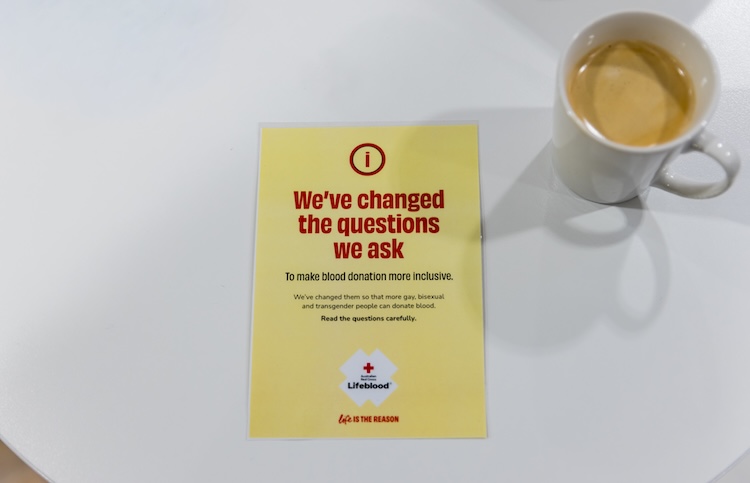
From April 20, Lifeblood introduced Gender Neutral Assessments (GNA), removing gender-based sexual activity questions, and instead asking all donors the same questions.
Under the new rules, most people in long-term monogamous relationships can donate blood and platelets, while others can donate plasma without a wait time.
It’s a significant step away from restrictions that were introduced during the HIV/AIDS crisis of the 1980s, which disproportionately affected gay and bisexual men, and trans people.
Lifeblood has been genuine in their acknowledgement that those rules caused us harm, and contributed to stigma that lingered far longer than it ever should have.
And that harm isn’t abstract – so many queer people of various sexualities and gender identities have personal stories that show why this change matters.
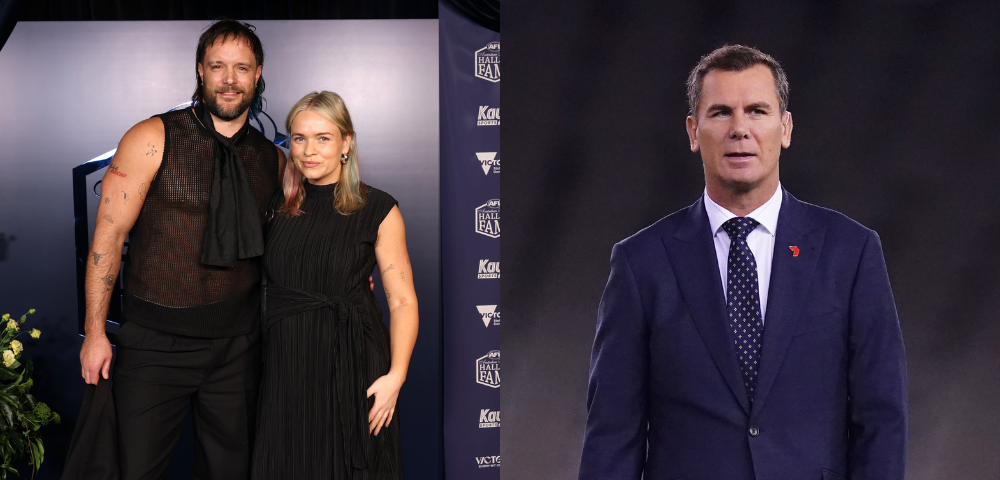
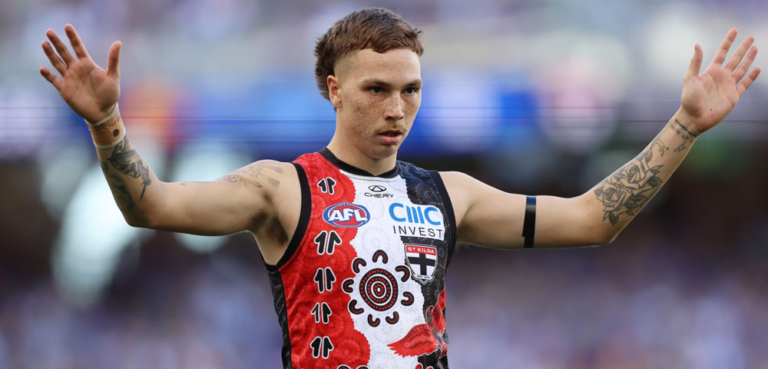
This includes Mitch Brown, the first AFL player to come out as bisexual, former CEO of Virgin Velocity, Nick Rohrlach, and trans advocate and influencer Mitch Greer.
For Mitch Greer, part of the Gen Z generation who never experienced the AIDS crisis, the blood donation rules caught her by surprise as a teenager.
“In high school, a few of my friends and I were all going to go and donate blood together,” Greer says. “Then we realised, ‘oh… Mitch can’t. She’s not allowed to be involved in this.’”
“As the trans kid, I already felt excluded in everything. So it was like, oh I can’t even go and do something nice – and important!”
Now, after recently donating plasma, Greer says hearing directly from people who rely on donations has reframed the conversation.
“When you have people messaging you their personal stories, how important it really is hits home,” she said.
For Mitch Brown, his personal experiences show why the changes were desperately needed.
Brown was the first player to come out as bisexual in the AFL’s entire 129-year history – and as someone who felt forced to stay in the closet for his career, he says he avoided donating blood out of fear of being outed.
“It was always like, why would I go through this process and potentially put myself in harm’s way?”
Brown also spoke about the internalised stigma many queer people carry, shaped by years of messaging around “gay blood” and HIV. As an athlete, he remembers watching Magic Johnson playing in the NBA as a HIV-positive person – and the negative furore that surrounded him.
The GNA changes have made him deeply hopeful for this stigma dissipating in the future. Brown believes change like this ripples outward – not just in who donates, but in how people think.
“These changes are a huge win. Now something like 20,000 LGBTQIA+ people can donate blood. It’ll take time to heal from the past of course, but we’re already seeing community members sharing how great and safe and beautiful their donation experience was – that’s how change happens.”
For Nick Rohrlach, the shift feels like part of a broader pattern of progress.
“We’ve had all these little walls around us, and we just knock through them one by one.… it’s pretty exciting,” he said.
A proudly gay man, Rohrlach recently donated alongside his mother – a nurse and long-time donor – for the first time: “She was so excited! It was so nice to be next to her.”
He says the new rules are about both inclusion and responsibility.
“It’s incumbent on us to show support. If you change these rules and no one does it, then there was no point,” he explained.
But the future looks hopeful. Brown and Greer both say they already see signs of minds changing.
Rohrlach says he hopes for a future where LGBTQIA+ people donating blood is not headline news – just a simple act to better our society.
And maybe that’s the real evolution – not just who gets to donate, but to a future where no one has to think twice about whether they’re allowed to help save a life. And that’s a very bright future indeed.
As Greer puts it, “We don’t need to forget, but we can forgive. And at the end of the day, you are saving a life.”



Support the Star Observer… while you still can
LGBTQIA+ media is under threat. Queer content is censored by tech conglomerates who amplify bigotry and push out AI slop — so we receive less financial support than ever.
When our community is muzzled and intolerance intensifies, we need queer media more than ever. Your donation means we can continue paying queer journalists to write queer news.
Don’t rely on the straight lies of big tech – support Star Observer instead and donate now.