
Eurovision Boycotts Begin As Israel Cleared To Compete
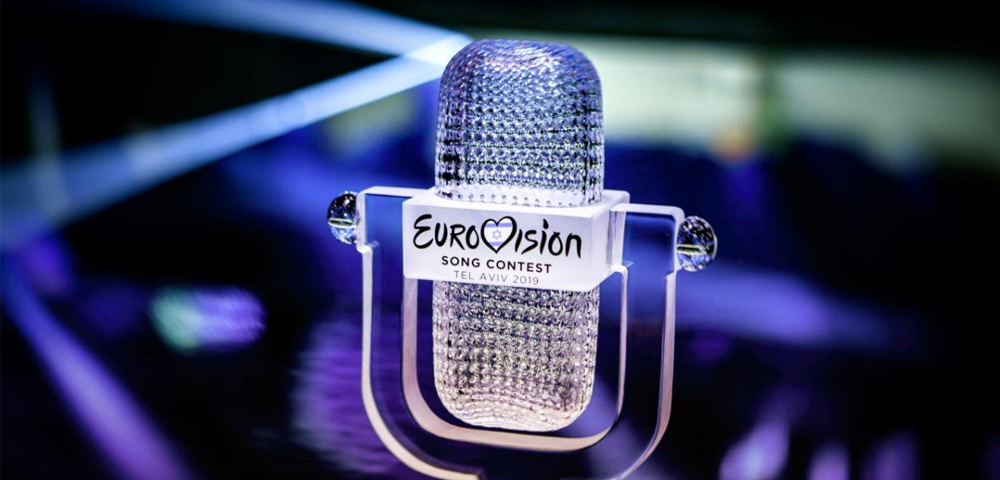
Image: Image: Official Eurovision Song Contest
The 2026 Eurovision Song Contest is facing one of the most significant political disruptions in its history after multiple countries announced they will withdraw from the event in protest over Israel’s inclusion.
The boycott follows a decisive vote at last week’s European Broadcasting Union (EBU) General Assembly, where members rejected calls to exclude Israel due to the continuing war in Gaza and concerns over past voting irregularities.
It’s not the first time the competition has seen international political issues effect the competition, but with four countries now boycotting the competition, this is set to be one of the biggest disruptions.
Four nations withdraw from Eurovision in Protest
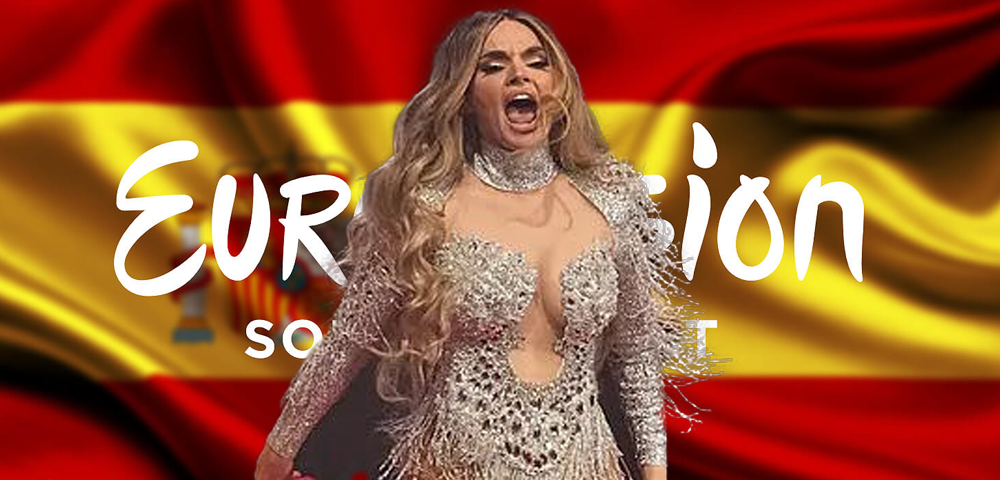
Spain, Ireland, Slovenia and the Netherlands have all confirmed they will not participate in the 2026 Eurovision Song Contest scheduled for Vienna next May.
Their withdrawals follow months of public pressure and internal debate within each broadcaster.
Ireland’s RTÉ said the country would step back from Eurovision due to the “loss of lives in Gaza and the humanitarian crisis” and later clarified that participation would be “unconscionable” given the humanitarian emergency and the killing of journalists in the conflict. They also confirmed the competition will not be broadcast on RTÉ.
Slovenia’s broadcaster echoed this stance, saying Eurovision should remain a place for “joy and happiness” and stating it would not compete “if Israel is there.” Its Board President added that the decision was made “on behalf of the 20,000 children who died in Gaza.”
In the Netherlands, broadcaster AVROTROS declared that the current circumstances make participation “incompatible with the public values that are essential to us,” while Spain’s RTVE said it was becoming “increasingly difficult to see Eurovision as neutral.” The Spanish broadcaster added it had “serious doubts” about Eurovision’s ability to remain politically impartial.
Israel Defends Its Place in the Contest
Israel welcomed the EBU’s decision, insisting it has a rightful place on the Eurovision stage. President Isaac Herzog said the country “deserves to be represented on every stage in the world”, adding “I am fully and actively committed to that.”
Golan Yochpas, speaking for the Israeli broadcaster KAN, warned that “A boycott may begin today – with Israel – but no-one knows where it will end or who else it may harm.”
These statements come amid ongoing allegations from last year’s contest, where Israel’s entry was accused of benefiting from unfair voting advantages, claims the EBU says it is trying to address through newly strengthened rules aimed at preventing manipulation and external influence.
Montaigne Calls for Australia to Join Boycott
In Australia, the decision has sparked renewed debate about our continued Eurovision participation.
SBS has confirmed it will remain in the competition, emphasising that withdrawing based on another nation’s inclusion would undermine its editorial independence. However, artists and activists are urging the broadcaster to reconsider.
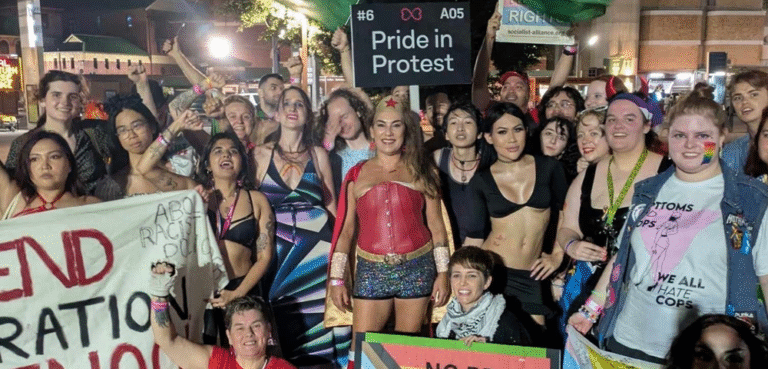
A major protest is planned outside SBS headquarters in Melbourne, where former Eurovision contestant Montaigne will perform in support of a local boycott campaign.
The artist has strongly condemned Israel’s participation, saying: “As queer people, we know what it means to fight for dignity, visibility, and safety… Our rights are tied together.”
Montaigne also said “I believe that impartiality, regardless of what your organisation’s credo is, during a genocide is just not going to cut it. If Russia and Belarus are going to be banned from Eurovision, Israel should be as well for their actions.”
View this post on Instagram
With more countries expected to announce their positions in the coming days, the future of Eurovision 2026 continues to look more and more uncertain. The full list of competing nations will be released before Christmas, with the official competition to take place in Vienna, Austria, from 12-16 May, 2026.
Support the Star Observer… while you still can
LGBTQIA+ media is under threat. Queer content is censored by tech conglomerates who amplify bigotry and push out AI slop — so we receive less financial support than ever.
When our community is muzzled and intolerance intensifies, we need queer media more than ever. Your donation means we can continue paying queer journalists to write queer news.
Don’t rely on the straight lies of big tech – support Star Observer instead and donate now.