
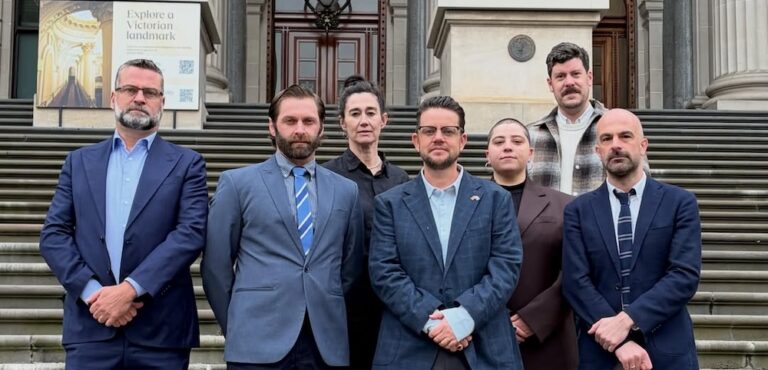
Here’s Everything You Need To Know About Victoria’s Anti‑LGBTIQA+ Hate Crimes Inquiry Report

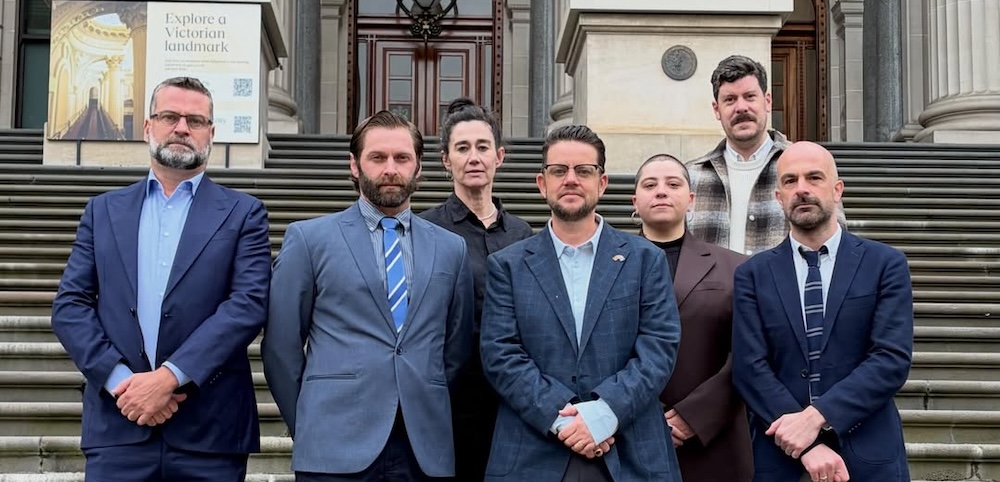
Image: viccommissionerlgbtiq / Instagram
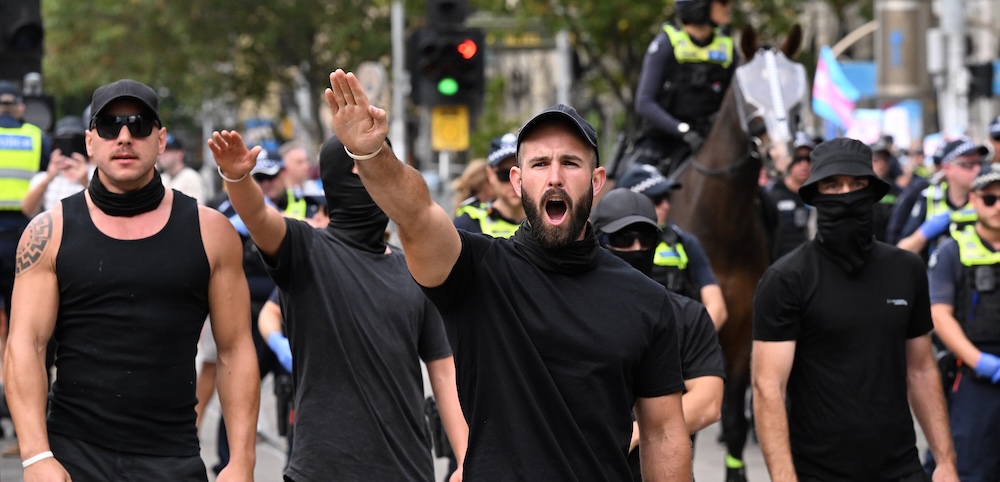
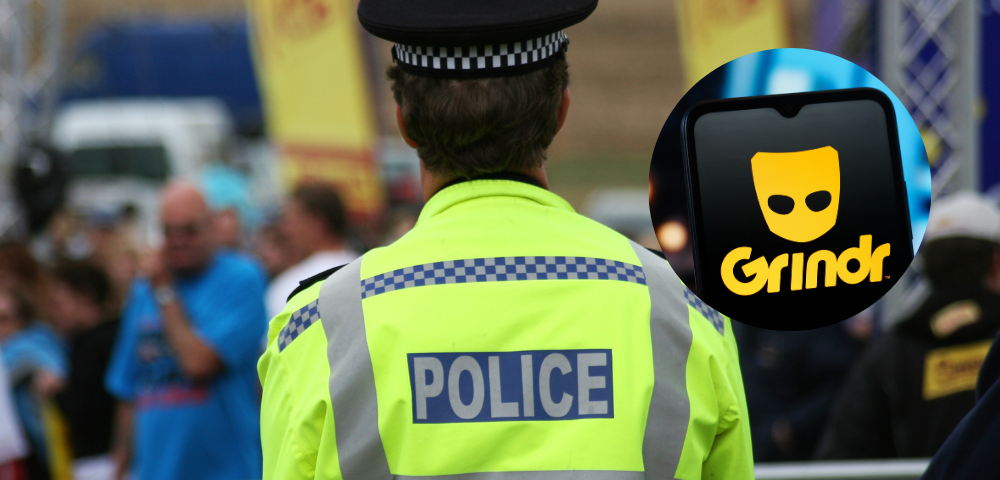
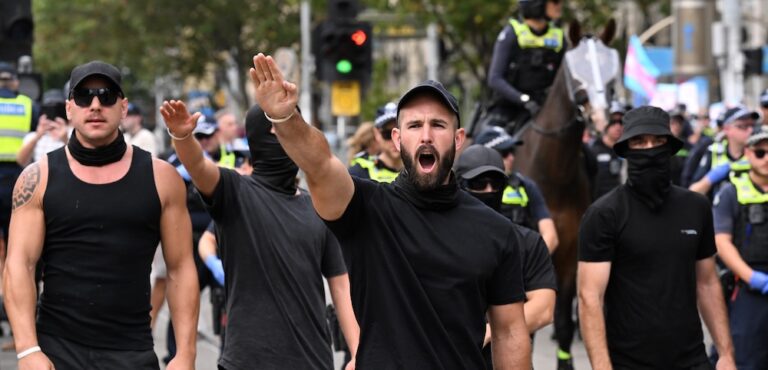
In recent years, a slew of violent hate crimes against LGBTIQA+ people, often involving radicalised young men using fake profiles on hook-up apps like Grindr and Sniffies, have swept across both Victoria and NSW.
On 18 February 2026, The Greens successfully passed a motion for a parliamentary inquiry into the scale and scope of anti-LGBTIQA+ hate crimes across Victoria. Now, the Legislative Council’s Legal and Social Issues Committee, which received 84 submissions and held two days of hearings in June 2026, have delivered their final report.
The Report’s Key Findings: What Did We Learn?
The Legislative Council’s final report included a whopping 41 separate findings, and 35 individual recommendations. While the full list can be accessed on pages 11- 20 of the report, we’ll summarise the key points here.
First, the report found that while Anti‑LGBTIQA+ sentiment is not a new phenomenon, how technology can both motivate and facilitate criminal behaviour against LGBTIQA+ people has changed.
Social Media Algorithms & AI Amplifying Anti-LGBTIQA+ Violence
Evidence noted that anti-LGBTIQA+ violence has been amplified by social media algorithms and artificial intelligence (AI).
Dr Josh Roose, Associate Professor of Politics at Deakin University, told the Committee that social media sites have been ‘inundated by hatred’.
The committee found algorithms are pushing young men toward harmful content they would not have otherwise engaged with. This, in Roose’s words, has created a ‘perfect storm’ for online radicalisation and the promotion of anti‑LGBTIQA+ sentiment online, which in some cases can manifest as real-world hate crimes.
While online anti-LGBTIQA+ rhetoric was seen to often be masked under a ‘self-help’ guise, where male creators disguise homophobic talking points as well-meaning solutions to male insecurities around fitness, dating, and mental health, other online communities were found to be openly anti-gay.
Jarryd Bartle, Lecturer at the School of Global, Urban and Social Studies at RMIT, told the Committee that some ‘post and boast’ forums are even inspiring perpetrators to replicate ‘vigilante justice’ videos, in which LGBTIQA+ people are assaulted on the pretence that they are paedophiles.The committee determined that digital platforms are not passive hosts of content, but rather actively shape what users see in ways that could amplify anti‑LGBTIQA+ sentiment, and that they need to be held accountable and commit to better regulatory and safety practices.
AI was also implicated in the rise of anti-LGBTIQA+ sentiment. According to Tony Briffa, former Mayor of Hobsons Bay City Council, who has ‘lived experience as a trans and gender‑diverse person’, AI had been used to generate malicious images of them on social media.
Others pointed to the ability of generative AI to assist in the creation of fake profiles on apps like Grindr, whereby perpetrators can use artificial photos to lure potential victims into meeting in person.
Majority Of Perpetrators Are “Thrill-Seekers”, Rather Than Ideologically Motivated
Interestingly, the committee found that up to 75% of offenders who commit anti-LGBTIQA+ violence are not ideologues motivated by homophobia, but simply thrill-seekers. It is thought that LGBTIQA+ people make particularly compelling targets for such individuals due to the relative permissibility of homophobic acts in society.
It should come as no surprise to any queer person (or former victim of bullying) that when a culture deems a specific minority group deserving of violence, thrill-seekers will likely exploit this to commit the aggressive acts that already appealed to them, regardless of whether they actually hold any animosity toward the minority group.
The committee found that this coupled with the fact that LGBTIQA+ people are more likely not to report a crime — largely due to a mistrust of police and fears of shame and being ‘outed’ — means perpetrators know that violence committed against queers, especially closeted queers, will likely go unpunished.
This vulnerability was especially apparent among LGBTIQA+ people from some newer migrant, culturally diverse, and multi‑faith communities, who are statistically more likely to be closested, and thus particularly vulnerable to app‑based attacks and extortion.
Trans and gender diverse individuals were also found to be victims of anti-LGBTIQA+ violence at higher rates.
Many Perpetrators Of Anti-LGBTIQA+ Violence Walk Away Free
Among the committee’s findings was that many perpetrators of anti-LGBTIQA+ violence do not receive adequate justice.
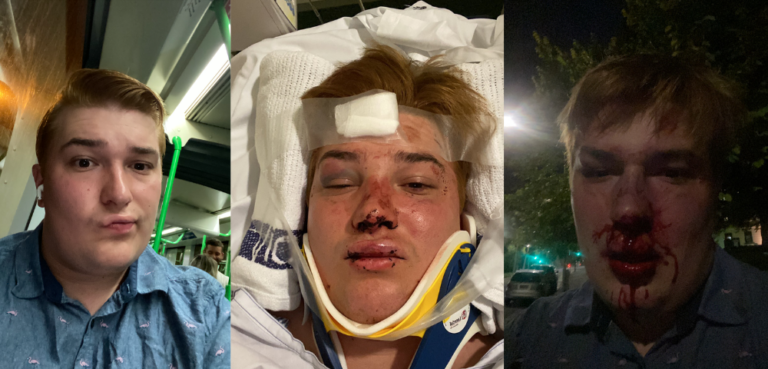
In the case of Matthew Roberts, who reported an assault on a train, it was alleged that officers failed to obtain crucial CCTV footage before it was permanently deleted, meaning ‘the offender was never identified, charged or prosecuted’. Following his complaint, Victoria Police’s Professional Standards Command found that police had ‘failed to investigate and failed to support the victim’.
Other stakeholders raised similar concerns, highlighting concerningly lenient outcomes, including ‘a $100 fine for a machete attack’ and ‘nine months’ probation for a ‘near‑fatal beating’. The Committee determined that these outcomes undermine confidence that anti‑LGBTIQA+ criminal behaviour will be treated with the seriousness it deserves, and may dissuade LGBTIQA+ people from engaging with law enforcement.
A Large-Scale Terror Attack Against LGBTIQA+ Australians Is Not Unlikely
One of the report’s more frightening findings pertained to Victoria’s risk of a significant terror event in the foreseeable future. According to experts, the consensus was simple: it could happen.
“These venues and people are increasingly visible targets within the extremist imagination,” said Dr Josh Roose. “The point that I want to make here is that we should not wait for a mass casualty attack before we take this seriously. The pathway to terrorist targeting is often preceded by other forms of conduct ‑ dehumanising rhetoric, online glorification, surveillance of venues, threats, harassment, assault, filming and posting and boasting.”
Similarly, Joe Ball, Commissioner for LGBTIQA+ communities, told the Committee:
“We are seeing a rise in anti‑LGBTIQA+ sentiment globally. I actually really want to say this on the record, and it is not something I planned to say except for hearing the submissions over the last day: it is not inconceivable – and this could happen here – that we could have a significant event against LGBTIQA+ communities. There could be a terrorist attack against our communities.”
The Report’s Key Recommendations: What Will Do?
As part of the final report, the committee published 35 recommendations addressing some of the systemic issues identified in the findings above.
Among the key recommendations are that the Victorian Government fund LGBTIQA+ community outreach programs for diverse communities; resource community organisations to provide anonymous, after‑hours case management and trauma-informed support; improve both gender-inclusivity and media literacy training in schools; and commission an independent evaluation of Victoria Police’s LGBTIQA+ awareness training.
It also asked that the Victorian Government consider establishing a pilot restorative justice program, co‑designed with LGBTIQA+ communities, to rehabilitate offenders. As for would-be offenders, the committee requested the development of hate crime diversion and deradicalisation programs with a particular focus on young men.
LGBTIQA+ dating apps were also put on notice, with the committee asking the Victorian Government to appeal to the Commonwealth Government to ensure that all dating apps operating in Australia become signatories to a robust Australian Online Dating Code. It also requested that the Victorian Government push the Commonwealth to consider ways it can hold platforms liable for algorithms driving people to hateful content that incites violence.
The Victorian Government is legally required to provide an official response to these recommendations in Parliament within six months.


Support the Star Observer… while you still can
LGBTQIA+ media is under threat. Queer content is censored by tech conglomerates who amplify bigotry and push out AI slop — so we receive less financial support than ever.
When our community is muzzled and intolerance intensifies, we need queer media more than ever. Your donation means we can continue paying queer journalists to write queer news.
Don’t rely on the straight lies of big tech – support Star Observer instead and donate now.