
Image: misstusia/Flickr
Tasmania has become the first state or territory in the country to provide financial compensation for victims of historical laws against homosexuality and cross-dressing.
On Wednesday, the state’s Upper House unanimously agreed to the legislation allowing redress, following similar support in the Lower House in September.
The reforms will provide redress for those who were historically convicted for the outdated offences, which were still in action until the end of the 20th century. Male same-sex relationships weren’t decriminalised until 1997, and only after significant pressure both nationally and from across the world.
Between 1945 and the mid-1980s, an estimated 100 men were convicted for “unnatural sexual intercourse” and “gross indecency”.
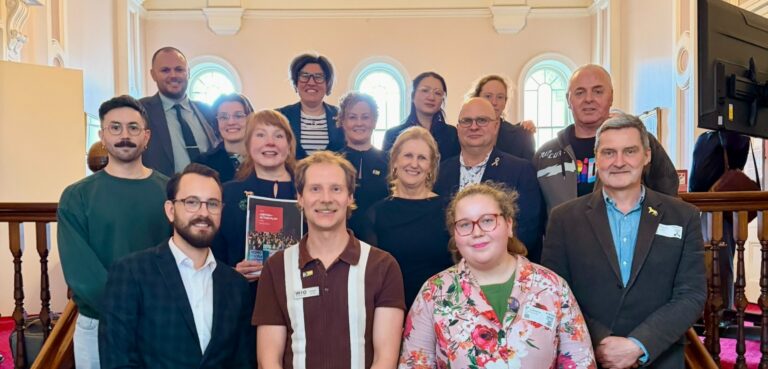
“The compensation scheme will never take away the dehumanising discrimination and deep harm they experienced, but it goes some way to righting the wrongs and acknowledging the state’s regret at the mistakes it has made,” said Monash University human rights expert, Paula Gerber, who helped develop the legislation.
“Just 28 years ago, men could be imprisoned in Tasmania for up to 21 years for consensual same-sex sexual conduct, representing the most severe penalty of its kind in the Western world.
“Tasmania has gone from being the last state in Australia to decriminalise homosexuality, to being the first state to offer compensation to those who were charged or convicted under those heinous laws.”
The state was also the only one in the country to criminalise cross-dressing, a law that was in place until 2001.
Those who were convicted and/or sentenced can expect to receive $15,000 for a charge, $45,000 for a conviction and $75,000 if they were sentence to detention or psychiatric care.
All payments will be automatic upon the successful application for a historic criminal record to be expunged.
“Victims of our former laws faced forced outing, public humiliation, loss of employment, exclusion from family, gaol time, cruel psychiatric ‘treatment’, exile interstate or took their own lives,” said Equality Tasmania spokesperson Rodney Croome.
“Financial redress is evidence of how profoundly Tasmania has changed for the better in the last quarter century and shows we are not going back.”
Advocates hope reforms pave the way for nation-wide change
The change comes after more than a decade of work from advocates and survivors, who are now calling on other states and territories to follow Tasmania’s lead.
“Our leaders have the opportunity to rectify Australia’s shameful history of discriminating against the LGBTIQA+ community, and a renewed commitment to justice for all will ensure a brighter future of acceptance and inclusion for all Australians,” said Gerber.
Croome said the legislation was evidence of how profoundly Tasmania has changed in the last 25 years.
In 1994, Croome and his partner at the time, Nick Toonen, submitted the first Australian complaint to the United Nations Human Rights Council, with the commission going on to find that the state of Tasmania had violated his right to privacy and distinguished between people on the basis of sexual activity, sexual orientation and identity.
With these findings providing evidence that gay men were not equal under the law, the way was paved for the landmark federal Human Rights (Sexual Conduct) Act to override Tasmania’s laws criminalising homosexuality.
The subsequent High Court ruling in Croome vs Tasmania found the Commonwealth government had the power under an international treaty to enact legislation decriminalising homosexual acts in Tasmania, setting an international precedent for the decriminalisation of same-sex relationships across the world.
“This is not just a new law, but a new type of law. There is no other LGBTIQA redress law in Australia,” Croome said.
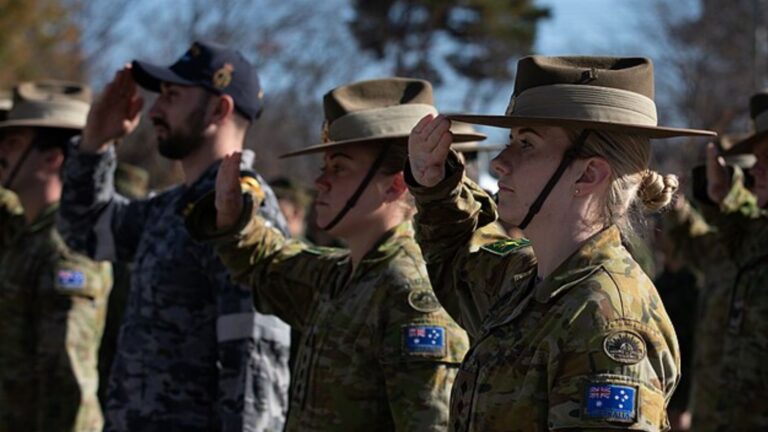
“We also call for redress to be offered for other examples of systemic discrimination against LGBTIQA people, including the discharge of military service personal in decades past simply because they were gay, lesbian, bisexual or transgender.
“Pioneering law reform is never the work of one or two people alone. As this reform shows, the best laws spring from many expert and dedicated minds working together.”




Support the Star Observer… while you still can
LGBTQIA+ media is under threat. Queer content is censored by tech conglomerates who amplify bigotry and push out AI slop — so we receive less financial support than ever.
When our community is muzzled and intolerance intensifies, we need queer media more than ever. Your donation means we can continue paying queer journalists to write queer news.
Don’t rely on the straight lies of big tech – support Star Observer instead and donate now.