
OPINION: Living As A Trans Person In SA Feels Like Rolling The Dice
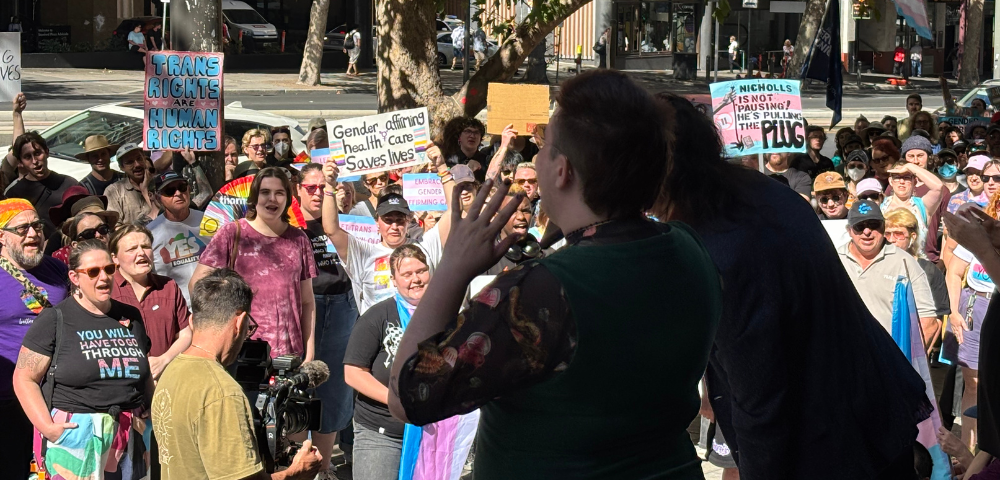
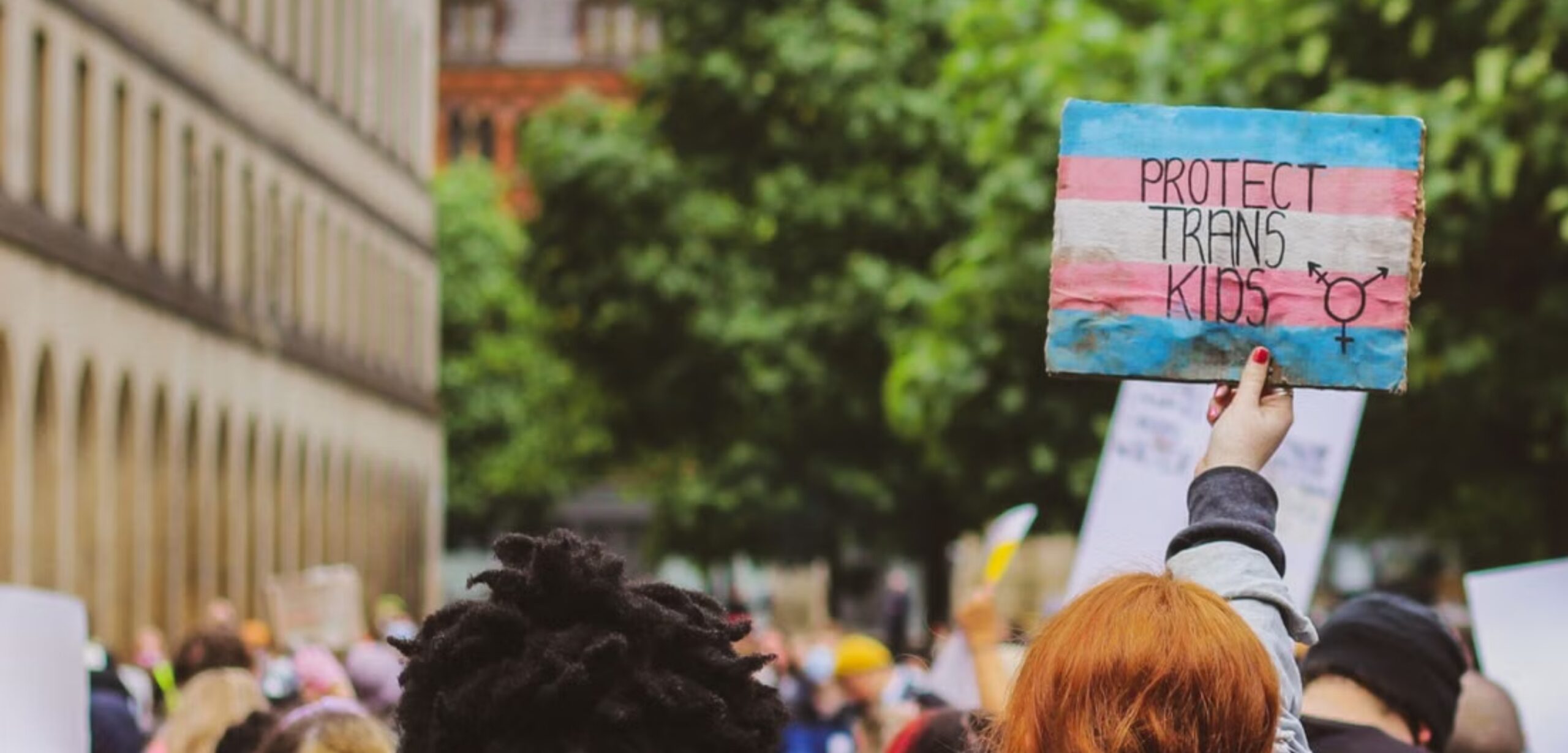
Image: A Trans Justice Project rally in Adelaide 2025.
Leading up to a state election, every morning can feel like a roll of the dice for transgender South Australians.
As the countdown to the South Australian election ticks closer and closer, each morning brings surprises. A few weeks ago, I woke to the news of One Nation candidate Cory Bernardi doubling down on comments comparing same-sex marriage to bestiality he initially made over a decade ago, when I was in high school.
Back then, I had no political power: I couldn’t vote, I had no access to gender-affirming care, it felt like all I could do was sit and wait for other people to make decisions about my future.
I am glad that I am now old enough to vote and have a say in what happens to my community, but it is frustrating to see how little some people have progressed in the past decade.
Only a week after Bernardi’s comments, Liberal candidate Carston Woodhouse, targeted not just same-sex marriage but also said the “trans agenda” was “insanity”, the Islamic community was “poisonous”, and that the entirety of feminism is “demonic”.
I take some solace in how widely his comments were denounced – it was clear from the public reaction that homophobia and transphobia are unacceptable. As a consequence he was removed from the election ticket, although he still remains in the employ of the Liberal Party.
Our community needs to see formal consequences for people who use their platforms to villainise us and incite hatred against us.
These kinds of news stories influence how I live my life every day. Even leaving the house can be a roll of the dice for me. Do I present myself in a way which makes me feel comfortable and true to myself? Or do I try to present as cisgender? I can fairly easily pass as male or female, but neither ever truly feel like “me”. Most days I walk down the street without incident. Other days, a disgruntled older man or group of teenagers feel the need to make their distaste known. I’ve learned how to keep myself physically safe when confronted with slurs and threats, and luckily it’s never escalated beyond words. My friends and occasionally local storefront workers have stepped in to defend me when the threat has felt more credible.
When people use their positions of power to voice hatred, they inevitably inspire others. The slurs and threats I face grow bolder and more frequent, and I continue to prepare myself for a physical escalation that feels inevitable. While we have several advocacy organisations (chief of which is the South Australian Rainbow Advocacy Alliance), the scope of these organisations is severely limited by funding, despite a drastic increase in discriminatory incidents in South Australia.
For many people in our community, going to the police to report these incidents is not an option: we fear not being believed or being told nothing can be done. Many of us do not know whether what we have faced counts as a crime, and are unsure of how to proceed. A fully funded peer-led queer legal service would provide a safe environment for the community to report crimes, and a clear understanding of our rights. An LGBTQIA+ legal service would provide accurate support for queer people who have faced discrimination as well as giving compassionate support for queer people experiencing family, domestic, and sexual violence without fear of misgendering or victim blaming.
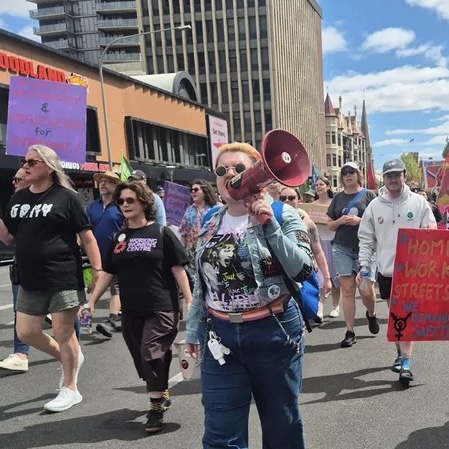
To protect our community, we need to have LGBTQIA+ protections from hate included in the The Equal Opportunity Act 1984 (SA). As the South Australian Rainbow Advocacy Alliance states, the Equality Act should “make it unlawful to incite hate, serious contempt for, or severe ridicule of, a person or group on the grounds of sex, sexual orientation, gender identity and/or expression, intersex status, HIV/AIDS status, disability, race or religion.”
The day that Bernardi chose to defend his horrific comments, I read about it on the way to donate blood. As a trans person, I am asked specific questions about sexual activity to ensure that my blood is safe. I am able to jump this extra hurdle and make my way to the donation chair. As my blood is drawn, I think of how many of my close friends are still unable to donate due to discriminatory regulations that presume queer people (especially trans women and men who have sex with men) have “hazardous” blood.
The day after Woodhouse was stood down, I caught the bus to my GP so I could receive my HRT treatment. My HRT is long-lasting, meaning that I only have to receive a dose every 3 months. Between every dose, I watch restrictions on gender affirming care get harsher and harsher all around the world. I know that in South Australia I have comparatively easy access to HRT, but I’m sure that’s what the community in Queensland thought before care for trans minors was all but completely halted.
I am acutely aware of how easy it would be for my care to suddenly be restricted. It has never been easier to access gender affirming surgeries in South Australia, but is still prohibitively expensive (even the simplest procedures are no less than $10,000 out of pocket) and the waitlists can be years long. Gender affirming care needs to be included in Medicare, and more than that it needs to be enshrined as a human right.
Every morning, I roll the dice. Every trans person rolls the dice. We decide whether to live authentically or not, taking into account all of the risks and benefits. It’s a personal choice which changes from day to day, but that choice gets harder when politicians and people with power decide that our community is fair game for bullying and discrimination.
It’s time for politicians to use their platforms to support us and stand up for our rights.

Support the Star Observer… while you still can
LGBTQIA+ media is under threat. Queer content is censored by tech conglomerates who amplify bigotry and push out AI slop — so we receive less financial support than ever.
When our community is muzzled and intolerance intensifies, we need queer media more than ever. Your donation means we can continue paying queer journalists to write queer news.
Don’t rely on the straight lies of big tech – support Star Observer instead and donate now.