



“Don’t Use Athletes Like Me To Exclude Trans Women”: WNBA Player Speaks Out On IOC Testing Rules
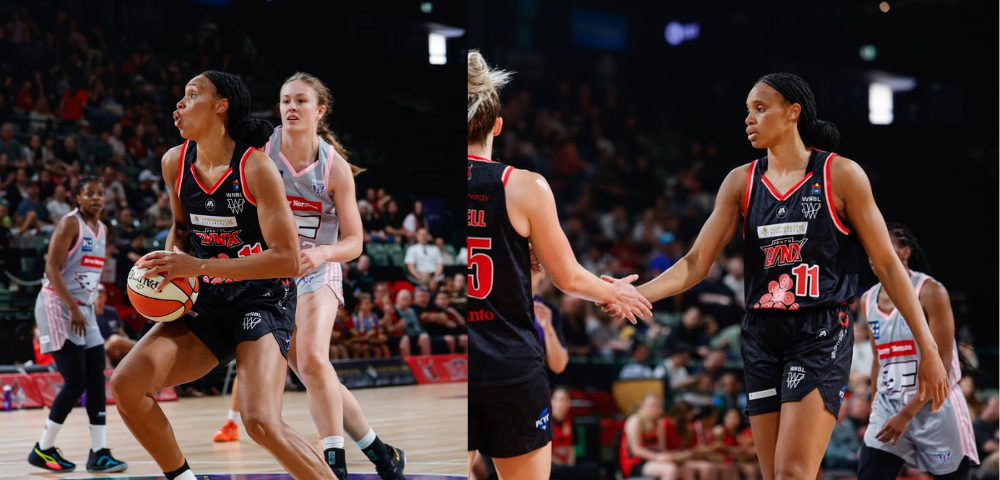
Image: Brianna Turner. Credit Brianna Turner/ Instagram
US WNBA player Brianna Turner has said women athletes like herself should not be used to police who gets to participate in women’s sport, criticising the IOC’s new gender testing rules by saying “the final hurdle to represent your country should not be proving to a panel of strangers that you are the woman you say you are”.
The athlete wrote an article titled I’m a WNBA player. Don’t use athletes like me to exclude trans women for USA Today, responding to the IOC’s “invasive” new policy which she says effectively bars transgender women and many athletes with intersex variations from competing.
“Do not use the names of women athletes to target, shame or exclude transgender women. Transgender women are women. Women with intersex variations are women. I welcome these women – and all women – onto my teams,” wrote Turner in the article.
Turner argues that focusing on who should be allowed to call themselves a woman distracts from the structural inequities that actually limit women’s opportunities.
“Policies that single out transgender women and athletes with intersex variations do not protect women’s sports. They manufacture a scapegoat while the real challenges to women’s sports go unaddressed: unequal funding, limited access to training and facilities, pay disparities, male-dominated leadership, gender-based violence and harassment across race, sex, sexual orientation and gender identity.”
Turner also points out that sex testing of women is not new, that that the IOC “has a documented history of refusing to actually protect women in elite sports”. Olympic ex testing was only formally changed after sustained pressure from medical groups, athletes’ advocates, and the IOC’s own Athletes’ Commission following the 1996 Games. In 2021, the IOC even released a framework asserting there is no automatic competitive advantage based on “sex variations, physical appearance, and/or transgender status.”
“This new mandate abandons that ground-breaking and collaborative framework, ignores established medical and human-rights guidance, and rejects the science that says physical appearance, chromosomes or individual traits do not determine athletic performance or success,” wrote Turner.
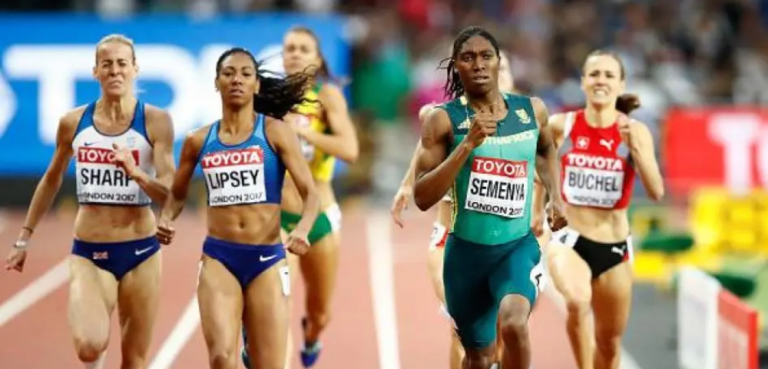
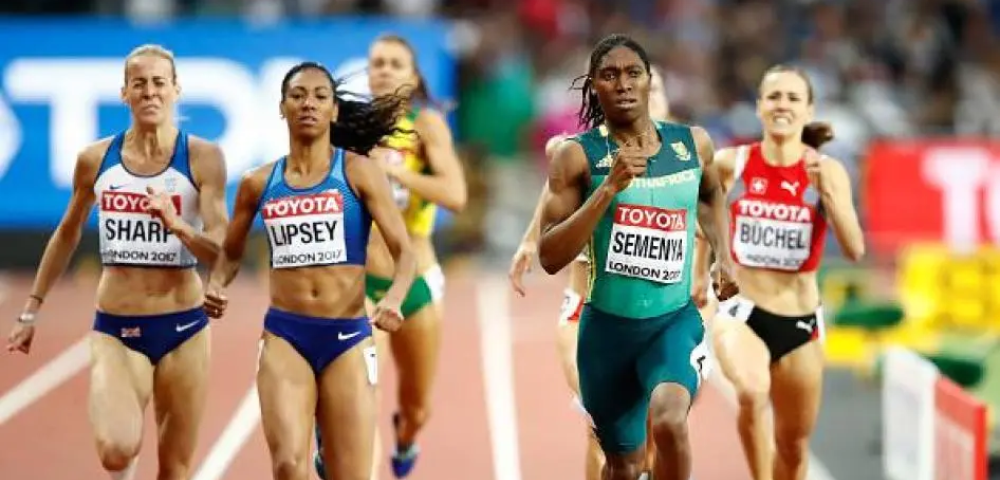
The IOC’s policy has prompted criticism from athletes and LGBTQIA+ advocates, including Olympic champion Caster Semenya, who has previously challenged sex eligibility regulations affecting athletes with differences in sex development. Semenya has described such policies as discriminatory and harmful to women athletes subject to testing and classification systems.
Former Olympic athletes Megan Rapinoe and Sue Bird have also criticised the IOC’s updated approach, arguing that it undermines inclusion and relies on contested assumptions about athletic advantage.
“In more than 15 years of organised basketball, I’ve played with and against people who are transgender and undoubtedly people with intersex variations, and I’ve never experienced any unfair advantages. I saw these players as my fellow athletes, not my enemies. We cannot choose our genes or chromosomes, but we can choose how hard we work, how we treat one another and whether we protect the dignity of every athlete,” says Turner.



Leave a Reply