


Olympic Committee Bans Transgender Athletes From Women’s Games
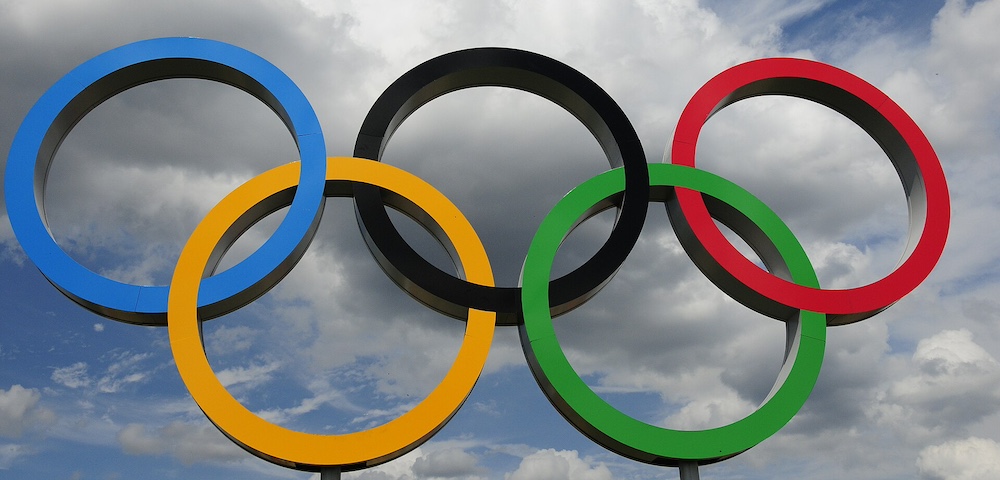
Image: The Department for Culture, Media and Sport/Wikimedia Commons
Transgender women will be prohibited from participating in women’s events at the Olympics following a recent announcement made by the The International Olympic Committee (IOC).
The contentious rule, dubbed the ‘Policy on the Protection of the Female (Women’s) Category in Olympic Sport and Guiding Considerations for International Federations and Sports Governing Bodies’ will be enforced from the 2028 Olympic Games in Los Angeles.
Under this new rule, only athletes who screen negative for the SRY gene, a gene found on the Y chromosome commonly associated with typical male sex development in mammals, will be eligible to compete in the female category. The screening will require athletes to provide a saliva, cheek swab, or blood test sample.
At this stage, it is unclear what if any exceptions will be made in atypical cases, such as in the case of individuals who are intersex, or individuals with Swyer syndrome or androgen insensitivity.
While the policy’s very title cites “protection” as a primary goal, widespread criticism has called into question whether it seeks to protect women at all.
Move criticised widely by human rights advocates
In a joint statement signed by Australian sport and human rights advocates, Pride Cup, Pride in Sport, and Equality Australia among them, concerns have been raised as to how this change might actually endanger athletes.
“All women and girls should feel safe and protected in women’s sports,” the statement read.
“The proposed IOC policy will make all women targets for harassment and abuse. Investigations often involve coerced medical exams, disclosure of intimate health information, and media scrutiny that can permanently harm the person.”
Nikki Dryden, Human Rights Lawyer, Olympic Swimmer, and signatory of the statement cautioned that this is not only a dangerous step toward “policing girls’ bodies”, but that the policy would actually be unlawful in Australia.
“Mandatory sex testing and blanket bans directly conflict with the Sex Discrimination Act, our sporting National Integrity Framework, and our safeguarding obligations to children,” Dryden said.
“Australia already has world-leading, evidence-based policies that ensure competition integrity, safety and inclusion. Moving toward exclusionary, invasive rules is not only unnecessary, it is a step back over 25 years that exposes athletes and organisations to serious legal and integrity risks.
“If enacted, the Guidelines would likely breach Australia’s anti-discrimination laws, the National Integrity Framework, and Elite Youth Athlete Guidelines. No international sport organisation can override Australian law with a policy and a press conference.”
In a separate statement, Professor of Law at Monash University Paula Gerber called to attention how the policy will harm trans and gender-diverse people.
“[It] turns trans people into a target of exclusion and sits uneasily with core human rights principles of equality, dignity and non-discrimination.
“Blanket exclusion and coercive testing of transgender athletes is a blunt and discriminatory response that is not supported by science and violates international human rights law. Mandatory genetic sex testing and rigid biological criteria as a condition for participation in the women’s category violates fundamental and universal human rights as set out in the International Covenant on Civil and Political Rights, including the right to equality, non-discrimination, dignity, privacy and bodily integrity.”





Support the Star Observer… while you still can
LGBTQIA+ media is under threat. Queer content is censored by tech conglomerates who amplify bigotry and push out AI slop — so we receive less financial support than ever.
When our community is muzzled and intolerance intensifies, we need queer media more than ever. Your donation means we can continue paying queer journalists to write queer news.
Don’t rely on the straight lies of big tech – support Star Observer instead and donate now.