
Loch The Fuck In, Because Deadloch Season 2 Is Nearly Here (And It’s Gone Troppo)

Image: Supplied
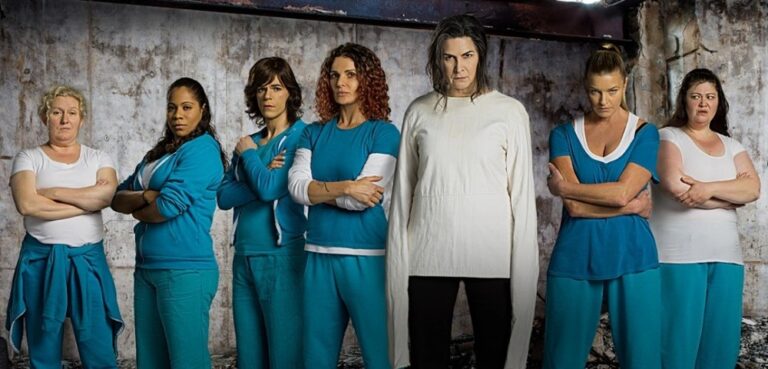
There are very few television shows that burrowed into the Australian queer psyche the way Deadloch did. The neo-noir detective-comedy didn’t just flirt with queerness — it was elbow-deep in it. It was, as Nina Oyama puts it, “queer to its core”.
In Deadloch, queer women weren’t tokenised, or the tragic corpses left in the wake of a serial killer. They were cops, suspects, heroes, villains, flawed, messy, nuanced humans. The murder mystery might be the hook, but for so many lesbians and queer women, it was the world-building that felt revolutionary.
Oyama, who plays the permanently anxious and deeply endearing Abby Matsuda, says the show struck a chord because it has an “authentic voice”.
“All the lesbian representation and queer representation comes from people that The Kates [Deadloch producers and national treasures Kate McLennan and Kate McCartney] know and love.”
There’s the no-nonsense detective Dulcie (Kate Box), her devoted partner Cath (Alicia Gardiner); the loose cannon Northern Territory detective Eddie Redcliffe (Madeleine Sami) — who always gave off massively queer vibes to me, but is apparently the most masc heterosexual you’ll ever see — and a diverse host of queer characters in the background.
Season one also flipped the genre on its head. Traditionally, as Oyama points out, usually it’s women getting murdered. “This time, grown men get killed” — masculinity, usually spotlighted and mythologised in detective dramas, is scrutinised and literally skewered.
And then there are the in-jokes. The oyster that looks suspiciously yonic. The blink-and-you’ll-miss-it visual gags that function as red lights for queer viewers. Like when, Oyama laughs, “she’s trying to say ‘his tongue got cut out’, and [Abby] sends scissors and the tongue emojis”.
But Deadloch isn’t just a love letter to queer communities; it’s an ode to Australia in all its strange, hyper-local specificity. From residents’ favourite beaches to the real-life Tassie icon Neil the Seal, the series is peppered with local, Aussie references.
Yet international audiences have vocally embraced it anyway. Oyama believes that’s because the world is so vividly authored. “Deadloch creates… such a clear world,” she says, explaining that the show taps in to Australia’s gritty horror lineage and cultural identity – it’s leaning into both of these things that’s made it hugely exportable.
The global fanbase is huge, and season one was nominated for an International Emmy Award for Best Comedy Series.
Now, season two shifts north to the NT, and if you thought things couldn’t get gayer or more dramatic, think again. Oyama teases that there are “lots of queer characters”, and describes a cast of characters who are anything but subdued. Season one “simmered,” she explains, whereas “literally everyone from Darwin is just shouting”.
What Oyama hopes audiences feel by the end of the second season is something bigger than a solved mystery. She describes watching one of the final scenes and crying “like a fucking baby”.
The season, she explains, mirrors the Territory’s notorious ‘Build-Up’ season. That’s the oppressively intense, humid pre-monsoonal season, the high temperatures and humidity causing stress, fatigue and irritability — often known as “going troppo” — until finally, it breaks, and in Deadloch, the emotional storm hits.
“I guess when people finish the series, they should feel a sense of catharsis,” says Oyama. “But they should also feel a sense of grief… it’s just SO beautifully done.”
For queer audiences in Australia and beyond, Deadloch is more than a crime show. It’s proof that our community’s stories — loud, local, lesbian and legendary — deserve to take up the whole damn screen.
Deadloch Season 2 will premiere on Prime Video on March 20.
View this post on Instagram
Support the Star Observer… while you still can
LGBTQIA+ media is under threat. Queer content is censored by tech conglomerates who amplify bigotry and push out AI slop — so we receive less financial support than ever.
When our community is muzzled and intolerance intensifies, we need queer media more than ever. Your donation means we can continue paying queer journalists to write queer news.
Don’t rely on the straight lies of big tech – support Star Observer instead and donate now.