
Experts Warn of Safety Risks in Face-Scanning Systems Used In Gay Bars
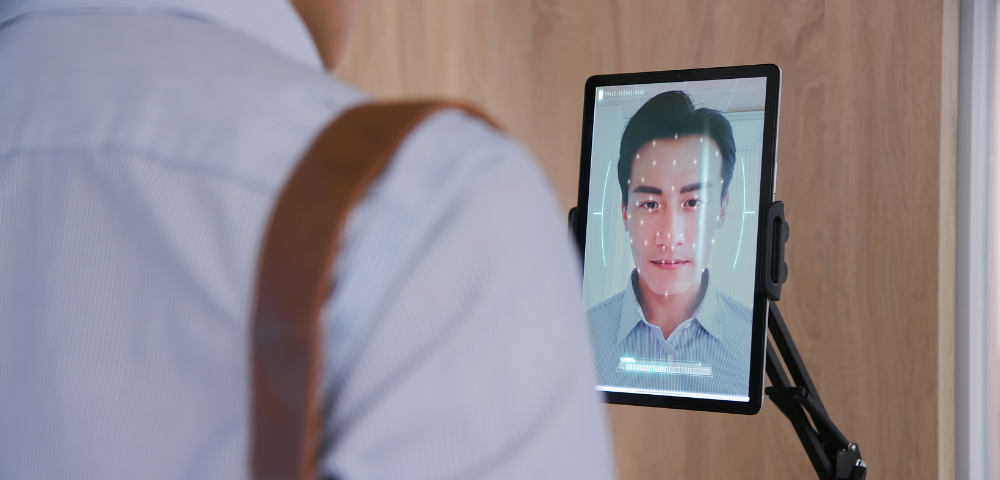
Several gay bars in San Francisco’s Castro district have installed facial recognition-style ID scanners that capture patrons’ photographs and personal information, according to recent reporting.
A Gazetteer SF investigation found that venues including Mix, Badlands, and Toad Hall are using Patronscan Guard+ kiosks at entry points, requiring customers to present identification and have their face photographed as part of the check-in process.
The report states that the system collects “names, addresses, genders, and even how they behave inside the bar,” and stores the data on a networked platform used across participating venues.
According to the investigation, the technology is used by bars to verify identification, detect fake IDs, and enforce venue policies. It also links participating venues through shared “flag networks” that can identify patrons who have previously been marked for incidents such as fighting or theft.
The reporting states that data collected through the system is stored for 30 days before deletion, unless a patron is flagged for “bad behaviour,” in which case it may be retained indefinitely.
The technology is manufactured by Servall Data Systems and is marketed for use in nightlife and entertainment venues, with the company stating its systems assist with identity verification and venue management. The scanners are in use in more than 700 cities globally, including multiple US locations such as San Francisco, New York, and Chicago.
A quote from an interviewee published in the Gazetteer SF investigation said: “It’s really not great to have lists of gay people.” A subsequent viral tweet backs up the report and the sense of unease, saying:
“I went to the Mix in the Castro, and they collected my photo and ID data without me knowing. Turns out, it’s part of a surveillance network, and some worry about a corporation having “lists of gay people” in 2026.”
I went to the Mix in the Castro, and they collected my photo and ID data without me knowing.
Gazetteer’s Cydney Hayes investigated. Turns out, it’s part of a surveillance network, and some worry about a corporation having “lists of gay people” in 2026. https://t.co/Pf29wRGZ2k
— Eddie Kim (@eddiekimx) June 10, 2026
LGBTQ+ advocates and data privacy experts have raised concerns that queer people can face elevated risks when personal data is collected and exposed.
In contexts where sexual orientation or gender identity is criminalised or heavily stigmatised, the unintended disclosure of identifying information can have serious consequences, including loss of employment, family rejection, detention, or other legal penalties. In the US, with the current attacks on LGBTQIA+ identity, especially trans and gender diverse people, this unfortunately qualifies.
“People are not expecting that kind of collection and retention when they go to an establishment,” writer and activist Hayley Tsukayama said in 2024. “It’s a mismatch for consumer expectations, and for that reason, I think it is concerning and there should be more transparency.”
Even in jurisdictions where LGBTQ+ identities are legally protected, involuntary disclosure can still result in harm, including discrimination, harassment, or loss of housing and social support networks. Advocates note that this creates a heightened responsibility for organisations that collect sensitive information to ensure strong safeguards are in place and to minimise unnecessary data collection.
In Australia, the Giggle for Girls app has lost several court cases, ruling that it discriminated against a trans woman by using AI facial scanning technology to try and illegally exclude trans women.


Support the Star Observer… while you still can
LGBTQIA+ media is under threat. Queer content is censored by tech conglomerates who amplify bigotry and push out AI slop — so we receive less financial support than ever.
When our community is muzzled and intolerance intensifies, we need queer media more than ever. Your donation means we can continue paying queer journalists to write queer news.
Don’t rely on the straight lies of big tech – support Star Observer instead and donate now.