
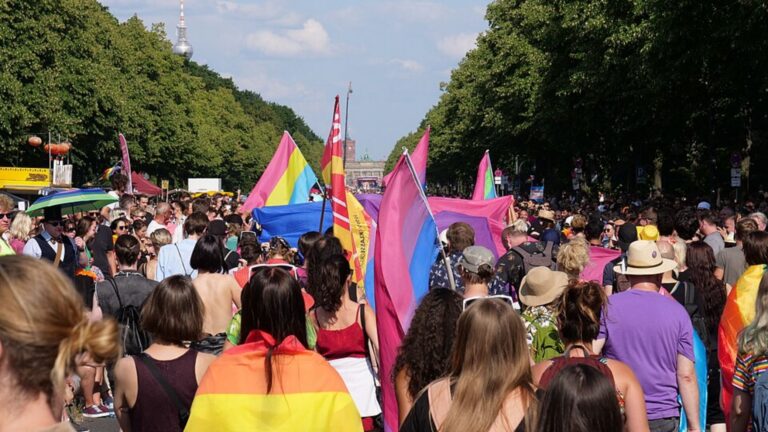
NSW Parliament Marks 10 Years Since Historic Apology To 78ers
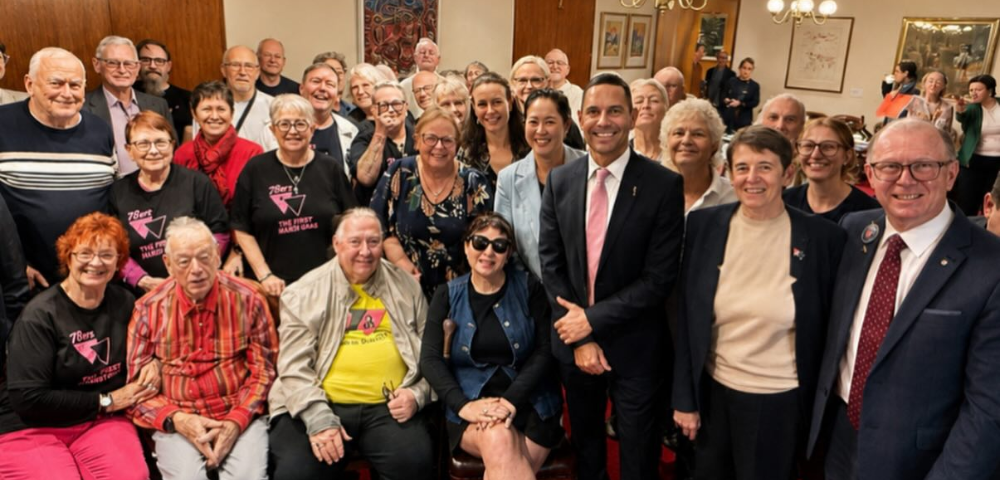
Image: 78ers at NSW Parliament. Courtesy Alex Greenwich/ Instagram
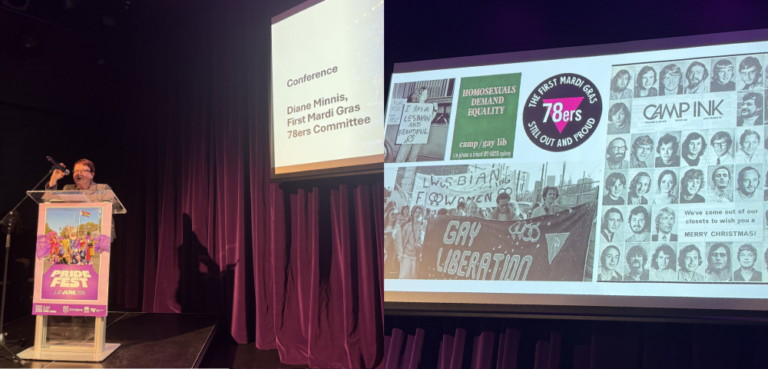
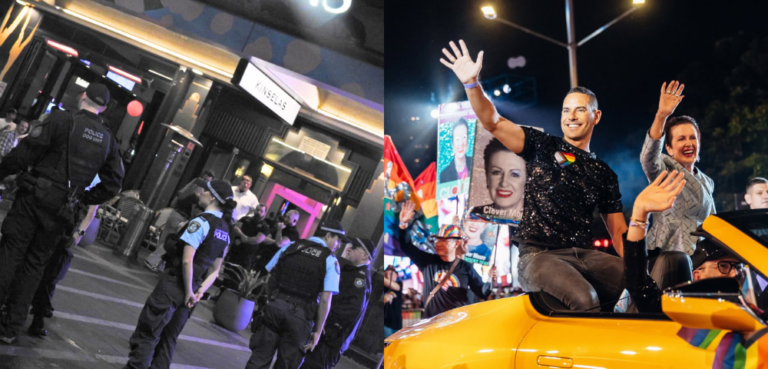
NSW Parliament has marked a decade since its formal apology to the 78ers, in a commemorative sitting recognising the anniversary of the 2016 parliamentary statement acknowledging the events surrounding the first Sydney Gay and Lesbian Mardi Gras in 1978.
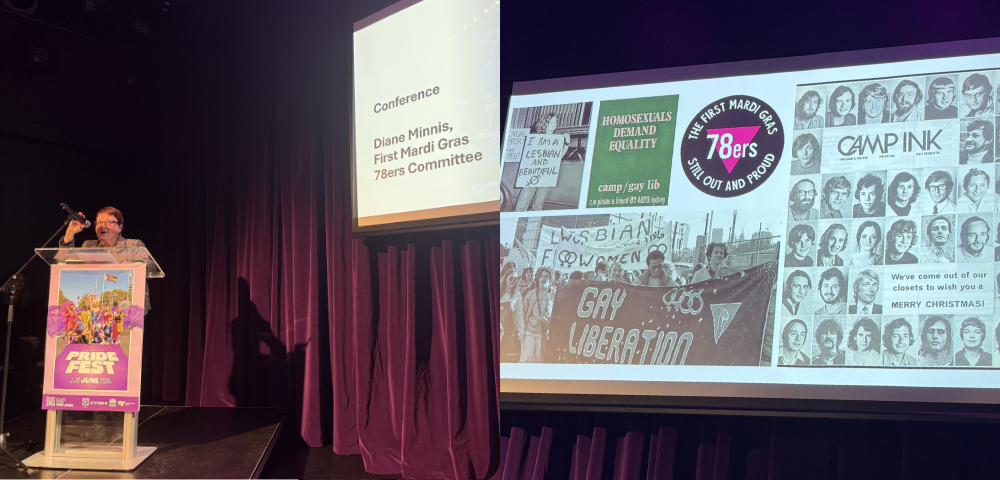
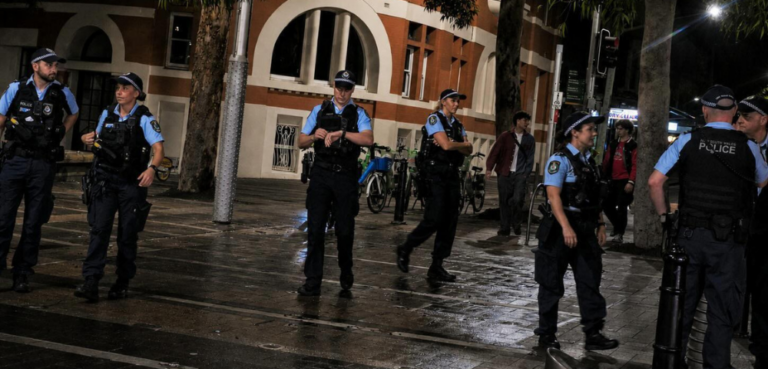
The 78ers are participants in the original 24 June 1978 march and subsequent protests, during which arrests were made and participants were subjected to police action, with identifying details later published in media reports.
In February 2016, NSW Parliament issued a formal bipartisan apology to the 78ers, acknowledging the harm caused by the policing of the event and its aftermath. The apology was delivered in the Legislative Assembly following a motion moved by Coogee MP Bruce Notley-Smith and supported across party lines.
Sydney MP Alex Greenwich attended the commemorative sitting, and told Star Observer.
“This week, the NSW Parliament came together to acknowledge ten years since our formal apology to the 78’ers. The celebration also provided us with a reminder and mandate to re-double our efforts to make NSW a safer, fairer, and more equal place for the LGBTQ community, especially the trans community who are being cruelly politically targeted by right wing politicians at a state and federal level.”
The 2016 apology followed earlier institutional acknowledgements, including a separate apology from NSW Police in 2016 for the actions of officers during the 1978 events, and an apology from media organisations involved in publishing personal details of those arrested.
In the 1978 events, activists had gathered in what became the first Sydney Mardi Gras, a demonstration calling for the decriminalisation of homosexual acts and an end to discrimination. The march was followed by arrests and prosecutions, with legal reforms occurring in the years after the protest.
Since the parliamentary apology, the 78ers have continued to be formally recognised in annual commemorations of the Mardi Gras movement and its origins in protest and law reform.

Support the Star Observer… while you still can
LGBTQIA+ media is under threat. Queer content is censored by tech conglomerates who amplify bigotry and push out AI slop — so we receive less financial support than ever.
When our community is muzzled and intolerance intensifies, we need queer media more than ever. Your donation means we can continue paying queer journalists to write queer news.
Don’t rely on the straight lies of big tech – support Star Observer instead and donate now.