
Hiraeth: Why The 40-Year Solidarity Between Welsh Miners & LGBTQIA+ People Means So Much
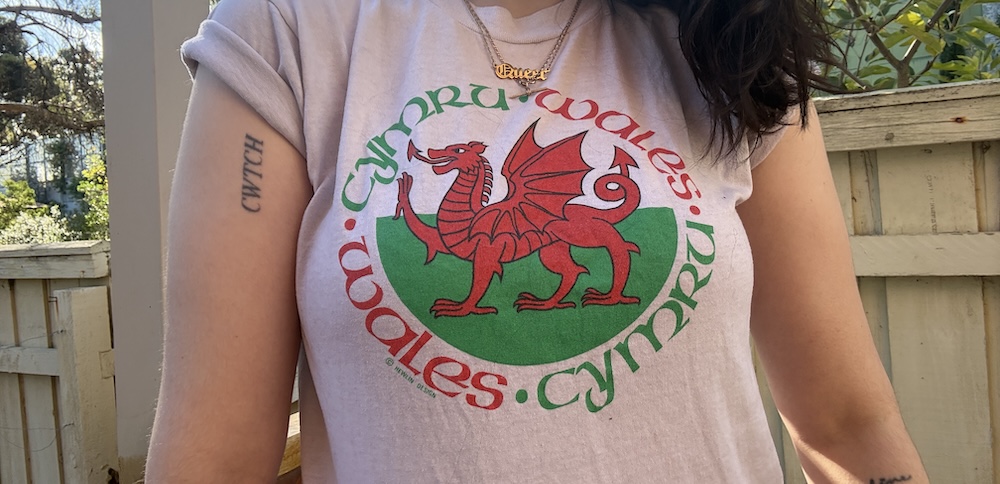
Image: Chloe Sargeant
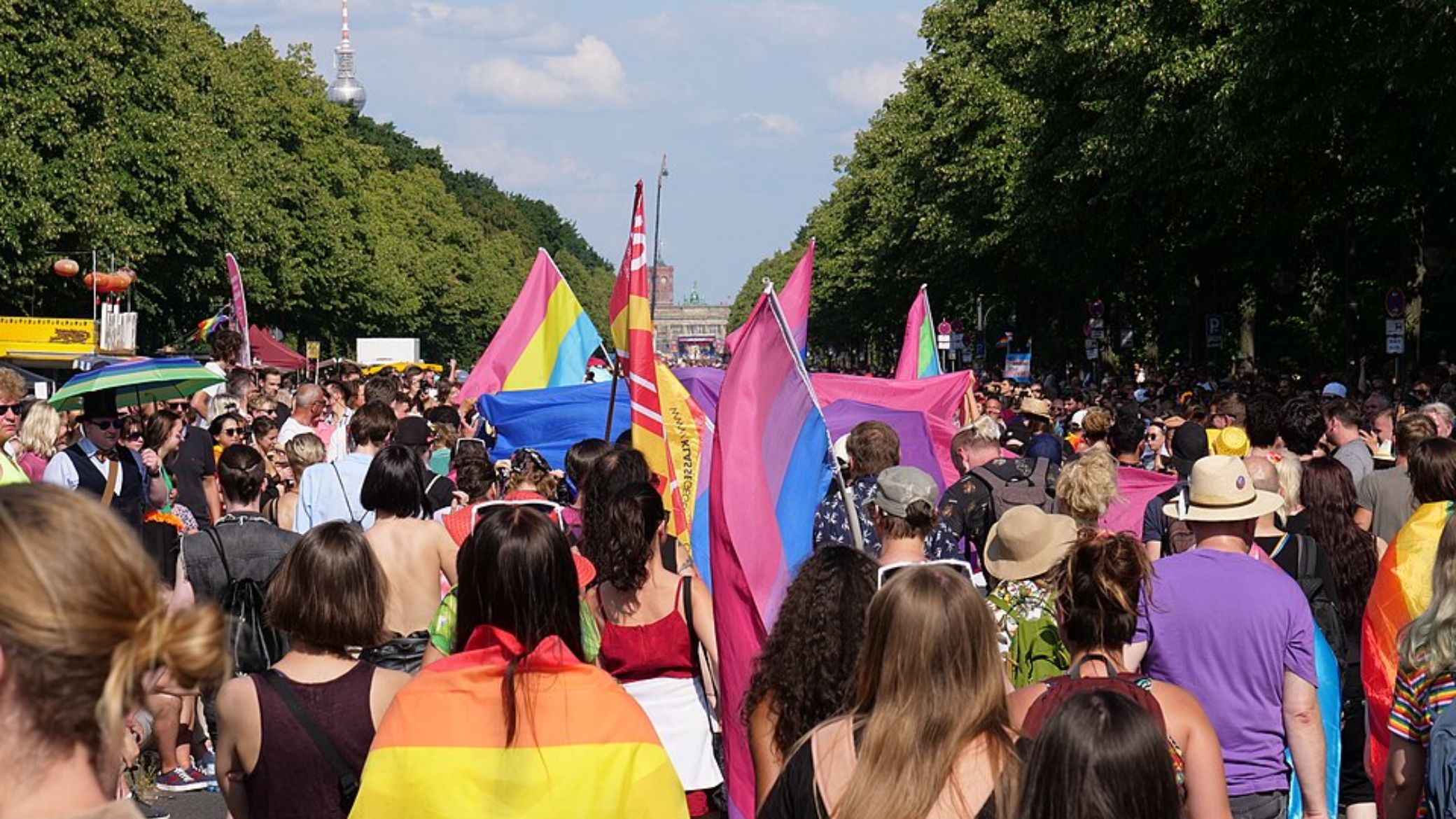
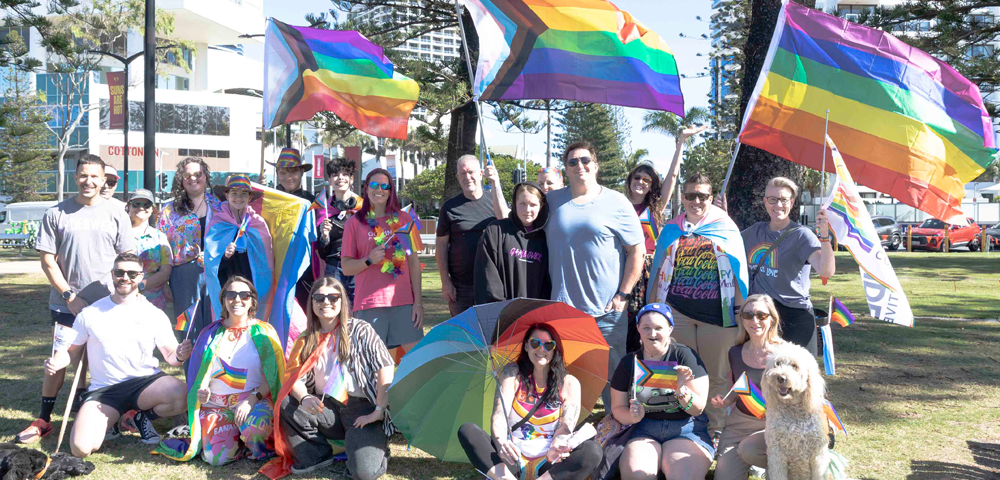
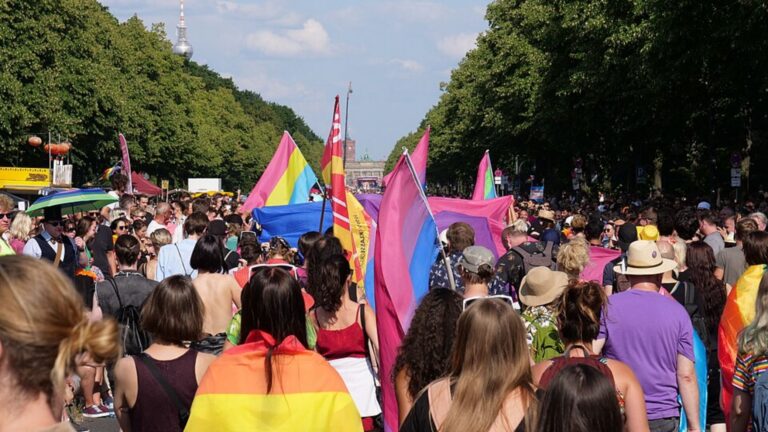
Last week, Durham Pride in the UK went ahead bigger than ever, after the Durham County Council, controlled by the hyper-conservative Reform UK, completely pulled its funding. Rather than quietly letting the event disappear, trade unions stepped in — the Durham Miners’ Association, the TUC, Unite, Equity, Aslef and others — and together they raised more than ten times the amount of money Pride lost.
Forty years later, the miners and workers unions still showed up for our community, and it made me incredibly emotional to see.
For anyone unfamiliar with the beginning of this story, Lesbians and Gays Support the Miners (LGSM) formed during the 1984-85 UK miners’ strike, raising thousands of pounds for mining communities all across the UK devastated by pit closures led by true enemy of the people, Margaret Thatcher.
While much of Britain was being encouraged to view both striking miners and queer people as enemies (again, thanks to the thankfully-now-dead Maggie), LGSM travelled to mining towns in Wales, building friendships that transcended politics and prejudice, and that solidarity ended up goin both ways. In the years that followed, mining unions became some of the strongest supporters of LGBTQIA+ rights in Britain, with Welsh miners famously leading London’s Pride parade in 1985 — a moment that has since become one of the UK’s most enduring and powerful symbols of queer solidarity.
It was portrayed in the 2014 movie ‘Pride‘ – if you have not seen it, I could not humanly encourage it more. It’s funny, it’s emotional, it’s heartwarming, and it is, in my humble opinion, one of the greatest LGBTQIA+ films that exists.
I think part of it is because the story of Lesbians and Gays Support the Miners has always hit me pretty deeply. My mum’s side of my family is Welsh, and despite being the first member of my family born in Australia, I’ve been encouraged by grandmother to embrace my Welshness, and hold it close to my heart.
My Gran grew up in Maesteg in South Wales. Welshness in my family was never performative – tbh I barel even noticed it growing up. It was just… there. In the language, or in the stories my grandparents shared. Years ago, I wrote about how I didn’t even realise how ingrained Welsh language was in my upbringing until adulthood, that that words like cwtch weren’t universal, because my Gran and family used them so naturally that I assumed everyone did.
Cwtch is hard to describe in English. It means like, a safe, all-encompassing hug — not just a cuddle, but a feeling of protection and belonging. Having a cwtch was part of how I understood unconditional love growing up. So much so, that I got theword tattooed on my body (my gran calls it my ‘cwtching arm’).
And then there’s hiraeth, which is another of those Welsh words people are constantly trying to translate into English even though it never fully works. It’s a longing for Wales, for the land, even if you havent been there for years. It’s a connection to the land and and its people.
I’ve never actually lived in Wales, but I’ve spent my entire life carrying a kind of longing for it anyway. For the culture, and the stories, and the complicated history. The fierce pride working-class Welsh communities have always had in looking after each other – even people they didn’t fully understand, like a group of London gays and lesbians – especially when governments didn’t.
So when I think about Pride, it doesn’t feel like some distant feel-good movie. It feels so close to me that it feels like it sits under my skin.
During the miners’ strikes, while devil-in-human-skin Thatcher and the British press were doing their absolute best to demonise both striking workers and queer people, that small group of lesbians and gay men in London recognised that demonisation, empathised with how it affected people, so set out to help.
And they didn’t just send a cheque, they travelled there and drank with the miners in the their community halls, thhey met families and built genuine relationships. They stood shoulder to shoulder with communities who, for all accounts, were supposedly meant to hate them (and many of them did – but it didn’t stop them trying).
Instead, something beautiful happened – people ended up recognising parts of themselves in people very different to themselves.
Working-class people understood what it meant to be abandoned and vilified by those in power. Queer people understood it too, living in the midst of the AIDS crisis.
They found solidarity in that shared experience, and after this, Welsh mining groups marched in Pride parades and backed LGBTQ+ rights publicly, all throughout the UK. The miners’ union’s block vote even helped pass a national resolution to enshrine lesbian and gay rights in UK aprty policies, which changed the trajectory of LGBTQIA+ rights there forever.
I remember the first time I watched Pride as a queer woman – it absolutely winded me. Not just because it was emotional, but because it felt like seeing two parts of myself — my queerness and my Welshness — finally hold hands onscreen.
And maybe that’s why stories like this still matter so much now.
Because we’re living through a moment where people are once again trying to fracture solidarity. Politicians throwing transgender people under the bus because it’s an easy culture war win. Commentators pretending cruelty is bravery. So-called feminists heckling Julia Gillard over trans rights at a public event and trying to frame exclusion as progress.
That’s not progress. True progress comes from unity – and we really, really need that right now.
So – take a leaf out the book of Welsh miners and their families, and stand side by side with people, even those that maybe you don’t fully understand. Do it because we ALL deserve to live our lives safely, authentically and happily.
Forty years later, those workers unions are still saying: you stood with us, so we’ll stand with you. Queer people and miners made a promise to one another forty years ago, and they are still keeping it. That’s something we can and should all learn something from.
THAT is what true Pride looks like to me, and I have Wales, and my grandmother, to thank for that. Cymru am byth, queer power, and solidarity forever.
Support the Star Observer… while you still can
LGBTQIA+ media is under threat. Queer content is censored by tech conglomerates who amplify bigotry and push out AI slop — so we receive less financial support than ever.
When our community is muzzled and intolerance intensifies, we need queer media more than ever. Your donation means we can continue paying queer journalists to write queer news.
Don’t rely on the straight lies of big tech – support Star Observer instead and donate now.