


Marks Park Ceremony: Erasing The Voices It Claims To Honour
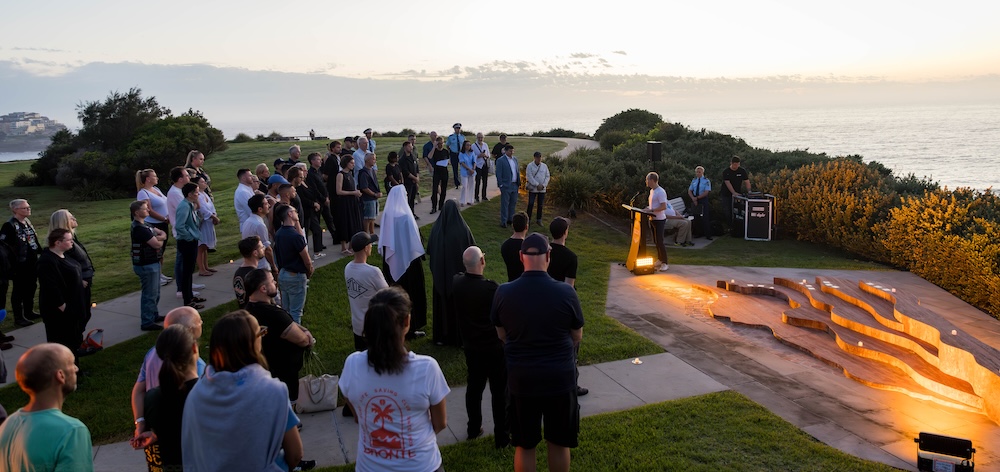
Image: Deep Field Photography
© Mark H Dickson
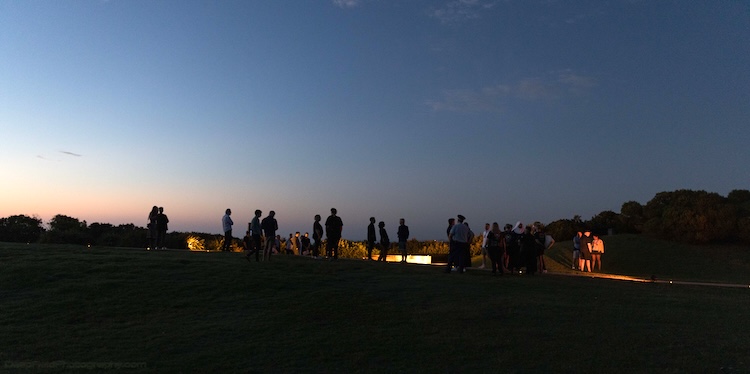
The sky is dark, the breeze cool. Crossing the grass of Marks Park, I find myself slipping into a familiar alertness – the kind that wakes in the body before the mind, an old flicker of fear under my ribs. It’s a fear that was learned young, which lived in the shadows long before any of us had the words “hate crime” or “community safety.”
I came here in decades past, slipping through this same darkness, my heart pounding for reasons that were never simple. Seeking desire, excitement, company, escape, or simply a brief moment of being unpoliced in a world that made our very existence a crime.
This was a time in NSW when you could lose your job, your family, your future, or even your life for simply being who you were. A time of toilet entrapments, “indecency” charges, baiting by young recruits, and a prison built specifically for the “offence” of loving the wrong person.
Marks Park was a meeting place – and it was a place of ambush. A place where you could be beaten, hunted, pushed from cliffs, deaths dismissed, lives unrecorded.
We moved through this park like ghosts: coded glances, scanning for danger even when lust was pulling us forward. Desire and fear sat in the same breath.
And then one night, the footsteps behind me were too fast, and too familiar in their intent.
I still remember the sound of it, the thud of shoes on grass, the sharp burst of pain, the way the world tilted as I went down. I remember the taste of blood and dirt, the laughter of boys who learned from this country that queer bodies were fair game. I remember crawling away, hiding in the bushes with my shirt torn and my ribs aching, terrified someone would see me, terrified I’d be thrown from the cliffs.
The police didn’t care.
Not then.
Not for decades.
Arriving this morning, older now, carrying both the shame I never deserved and the resilience I never asked for, I expected a ceremony that understood what this place meant. Or at the very least, what it took from so many of us…
It begins with all the outward signs of respect, and yet the stories it needs most seem to hover, unspoken.
No voices of survivors.
No families of the dead.
No one who cruised here and lived.
No one who ran for their life along these paths and still wakes up sweating.
The first to speak is a representative of the local surf club. His words paint the cliffs in broad, scenic strokes, beauty, coastline, history. A poetic touch, but the cliffs below him had once echoed with screams, with the thud of bodies hitting rock – and his sentences float above this horrific past without touching it.
Next is the ACON President; a legitimate LGBTIQA+ voice. His words are steady, thoughtful, speaking of responsibility and progress. A mention of some of the known victims is made but again, not a single survivor’s voice followed his. Only one speaker openly from the LGBTIQA+ community, and he speaks in the capacity of institutional partnership, not the language of men who once walked this headland in equal parts desire and dread.
Then a representative of a mainstream Jewish community organisation speaks. Threading together Marks Park and the Bondi massacre, wandering into comparisons of persecution, and reaching toward global geopolitics. They speak of homophobia within Hamas, but sidestep the complex realities within all faith communities – including their own. The breadth of the speech was wide, yet somehow it swept past the local grief underfoot.
Then the police representative stepped onto the cliffs where, decades earlier, police had ignored reports, lost evidence, bodies misclassified, families dismissed. The speech offered bright figures: 150 LGBTIQA+ liaison officers in a force of 17,000! New hate crime training, continued participation in Mardi Gras. There was instruction to the crowd on social cohesion, notably without any attempt to weave in the recent “moving on” of Muslim folk praying. The speech was polished, hopeful – the kind of language that fits well into an annual report.
But the pauses between sentences held far more weight than the sentences themselves.
There were no community voices invited to answer whether things truly felt different now.
No survivors asked to speak to whether trust had been rebuilt.
I watched the older men in the crowd, the ones who knew what it was to be hunted, cornered, bashed. On their faces, I could see the enormous gulf between “progress” and “memory.”
Between “safety” and “survival.”
Between the police’s story and our own.
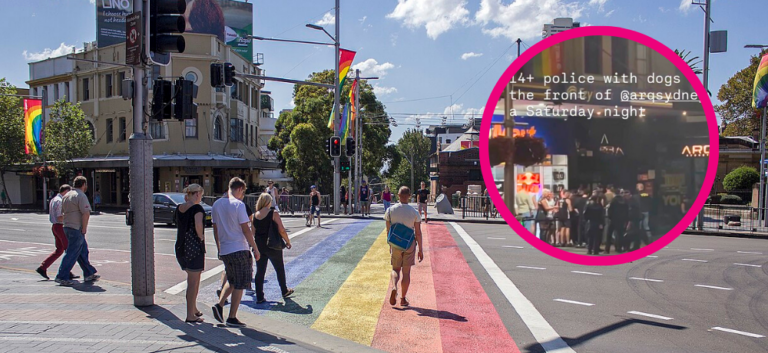
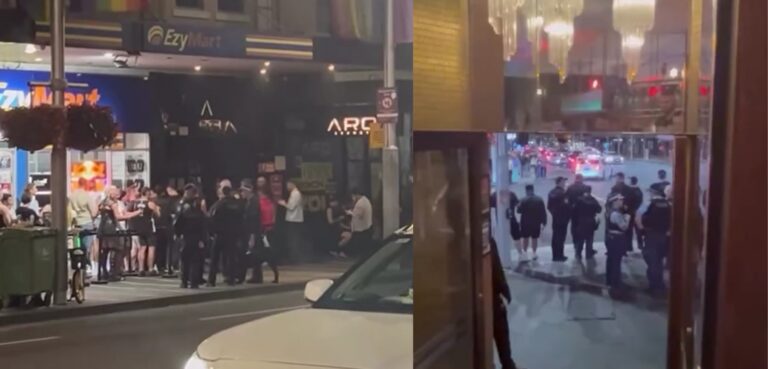
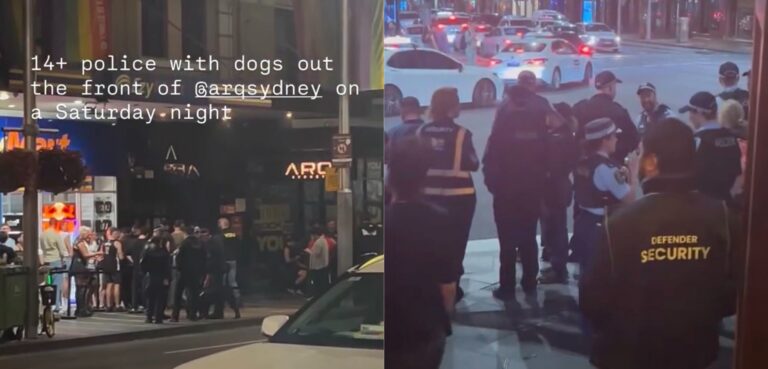
Decades have passed – the violence has not. In the same week as the ceremony, news emerged about Sydney LGBTIQA+ teenagers being beaten on camera. It was a stark reminder that hatred does not stay buried in history – it adapts, resurfaces, and finds new targets. The attacks today are not distant echoes; they are proof that memory without action leaves space for old hatred to take new forms.
Finally, a well-intentioned local politician took to the podium and spoke in positive tones of the progress made in Waverly Council, celebrating and supporting diversity. Every word lands lightly, as though the air wasn’t thick with ghosts.
A place marked by violence must be remembered by those who hold its scars. They were not here. Or they were, but only standing quietly in the crowd, listening to institutions speak on their behalf once again.
The empty spaces where their voices should have been were louder than anything said from the lectern. Those of us who lived this era feel the weight. We always will. Our memories have a far longer shelf-life than their speeches.
The minute silence to close the ceremony is the most meaningful moment of it all.


Support the Star Observer… while you still can
LGBTQIA+ media is under threat. Queer content is censored by tech conglomerates who amplify bigotry and push out AI slop — so we receive less financial support than ever.
When our community is muzzled and intolerance intensifies, we need queer media more than ever. Your donation means we can continue paying queer journalists to write queer news.
Don’t rely on the straight lies of big tech – support Star Observer instead and donate now.


