
Farewell, Hacks: A Finale With A Jolt, But A Series That’s One Of TV’s Greatest Comedies
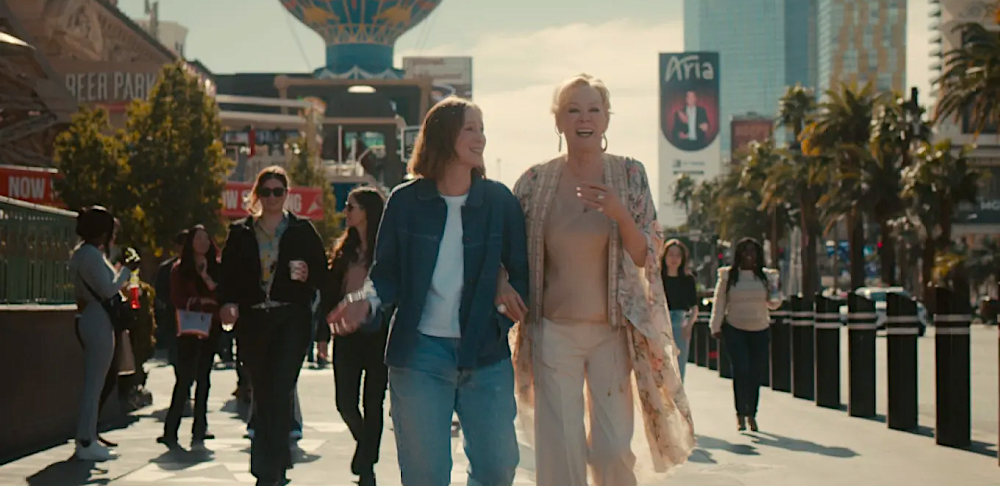
Image: IMDB
There are very few shows that understand women, LGBTQIA+ culture, ageing, ambition, loneliness, creative obsession, love, friendship, and the deeply humiliating psychic damage of being a writer quite like Hacks.
After five seasons, HBO Max’s Hacks has wrapped up what I genuinely think is one of the greatest comedies of the modern television era — not just one of the best shows currently on TV, not one of the best queer comedies, but one of the sharpest, funniest, most emotionally intelligent comedy series we’ve had in a long time.
A show that somehow managed to balance savage industry satire with genuine tenderness, while also giving us some of the most realistic depictions of queer friendship, artistic obsession, ageing, womanhood, and mutual emotional destruction ever put onscreen. No small feat obviiously, but Hacks bloody well did it.
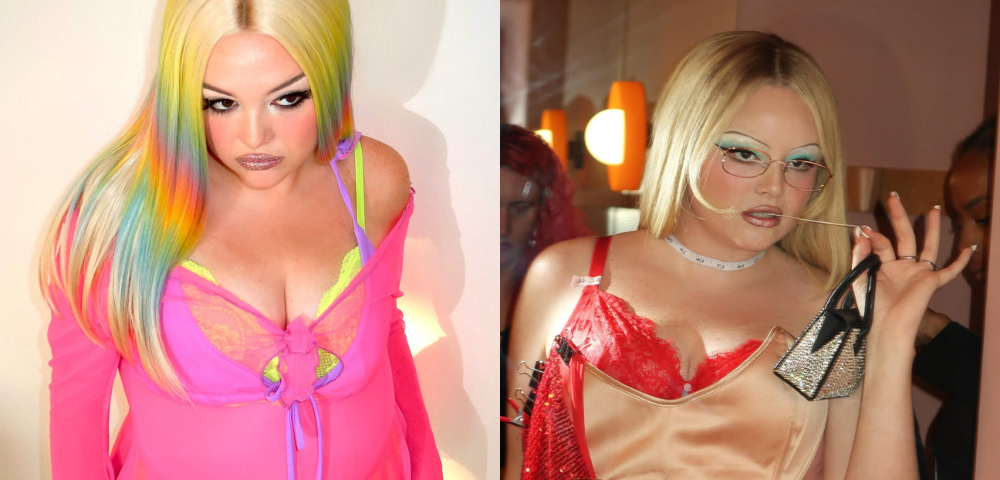
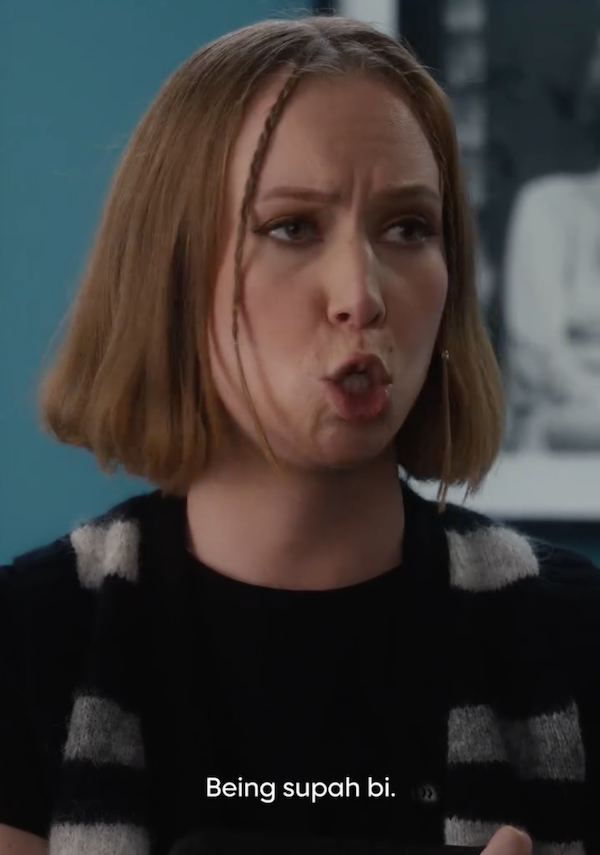
The thing that made Hacks special was never just the jokes, although there are enough killer one-liners in this series to sustain me through several of my future debilitating depression episodes. (“Being SUPAH BI” has entered my regular vocab, and I’m guilty of answering with it whenever someone asks “what are you up to today?” – I refuse to stop.)
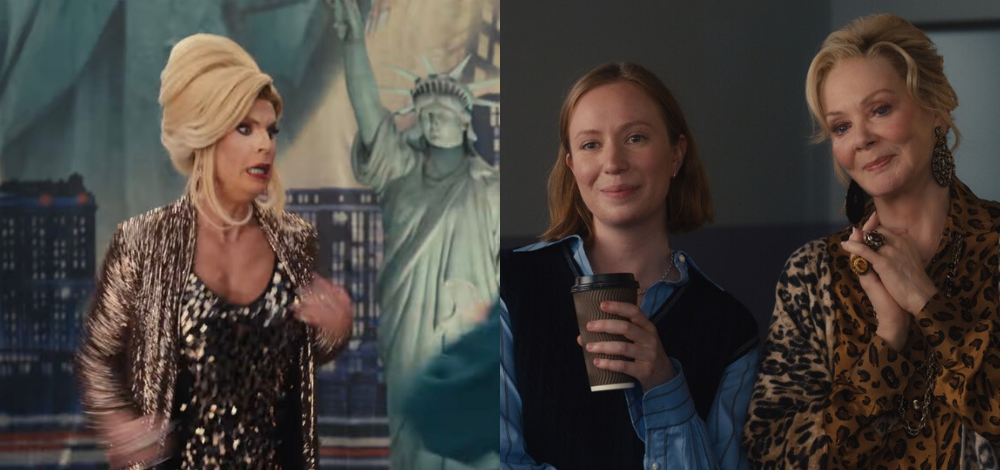
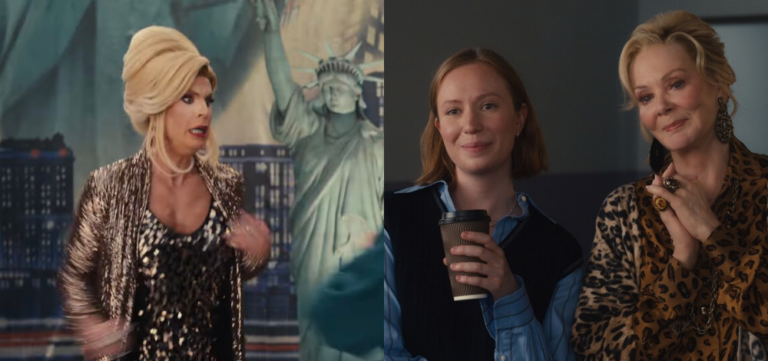
It was the relationship of the two lead characters that made this show so magical — Deborah Vance and Ava Daniels, two women who understand each other so completely that they also happen to bring out each other’s best, and sometimes absolute worst, instincts. Half mentorship, half co-dependency, half divorce energy somehow. I know the maths of that doesn’t add up, I just don’t care.
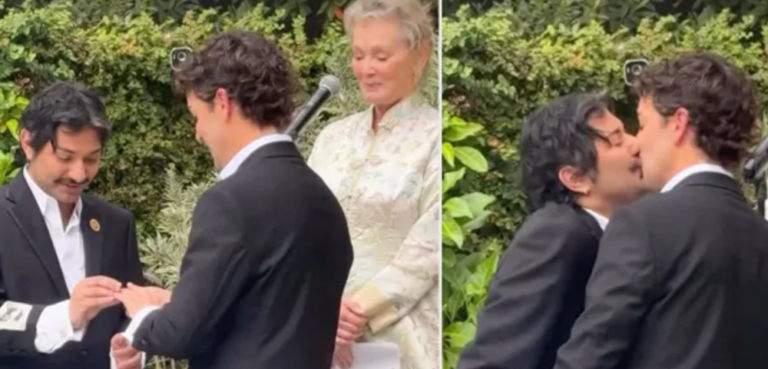
Season five really leans into the idea that these two are soulmates, just not in a neat or romantic sense. (Although, after that kiss during the ‘we’re all dykes here’ episode, I’ll ship them forever.)
As a bisexual millennial writer, meanwhile, I’ve spent five years watching Ava Daniels and feeling like someone had rifled through my fucked up brain. I know Ava is technically Gen Z, but since she’s elder Gen Z, she has severely millennial tendencies that made me feel so disgustingly seen. And then sometimes ashamed by that. But regardless, she managed to capture a pan-bisexual persona that was fucking phenomenal.
Hannah Einbinder plays Ava with this perfect mix of arrogance, insecurity, earnestness, empathy, and self-awareness. She is loving (sometimes to the point of her own detriment), politically opinionated, emotionally messy, occasionally insufferable and entirely incapable of separating her value as a human being from her creative output, which unfortunately describes myself and approximately 100% percent of writers I know. The way she captured the ways of my people… horrifying. Yet amazing.
Einbinder never lets her become a cliché, though, and over five seasons Ava has slowly evolved into a genuinely layered, complicated woman trying to figure out who she actually is underneath all tthat.
Now has come the series finale, and I’m conflicted.
Not because it’s bad — it absolutely isn’t — but because Hacks suddenly introducing an assisted euthanasia storyline in its final episode gives the whole thing a weird jolt that I’m still not entirely convinced the show has earned. A few episodes earlier, Deborah casually mentions having a lump removed, but I feel like the series never really sat with it long enough for the reveal of recurring cancer to land naturally. Instead, the finale opens with Deborah announcing she plans to travel to Switzerland for assisted dying and, and it feels less like a culmination of this phenomanl series, and more like the inimitable Jean Smart wandered in from an entirely different show.
It gives you a bit o’ whiplash. Intentionally, I think. But still.
Part of me admired the swing because Hacks has always been a show willing to take risks tonally, and Smart is so extraordinary that she can sell me absolutely anything. Another part of me kept thinking, hang on, we’ve gone from the sabotage of Deborah’s career and lesbian yearning to discussing assisted euthanasia – where the fuck did that come from?
That said, once the episode settles into itself, it becomes less muddy.
There’s a scene where Ava tries to process Deborah’s decision and you can feel years of resentment, admiration, love, frustration and terror all colliding at once. Ava begging Deborah not to leave her absolutely flattened me, mostly because the show understands something many queer people know intimately: sometimes the relationships that are the building blocks of your life don’t fit into clean categories. They’re friendships that are closer than some straight people’s marriages. Creative partnerships that somehow start resembling family.
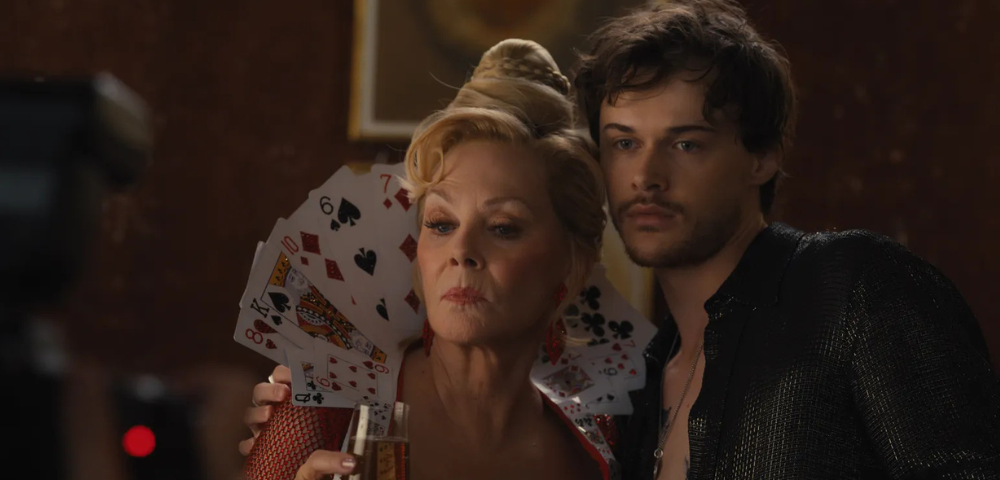
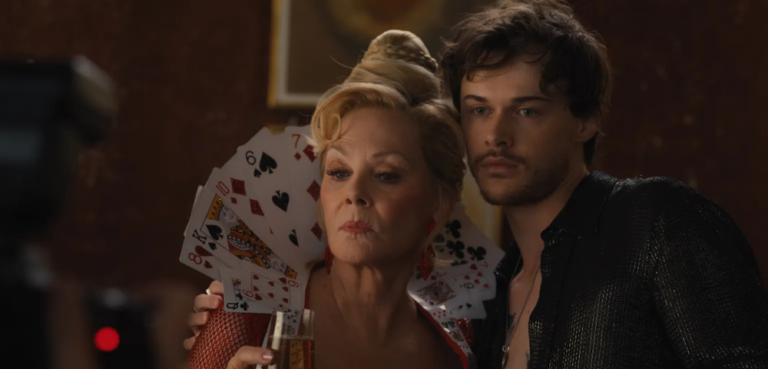
Jean Smart, meanwhile, continues operating on a level that honestly feels unfair to other actors. Deborah could have very easily become a caricature years ago — ageing diva comedian in expensive jewellery hurling insults at waitstaff — but Smart never lets that happen. Deborah is cruel and generous and selfish and vulnerable all at once, sometimes within the same sentence, and by the finale you understand that underneath all the ego and armour is somebody who simply just terrified of disappearing.
Which is why the ending ultimately works for me, even if the road there feels a little abrupt.
Because Deborah deciding she wants to keep living after she and Ava start workshopping jokes together is a hugely ridiculous concept on paper. Completely absurd.
And yet the scene somehow lands because Hacks has spent five seasons showing us that comedy is Deborah’s life force. Not fame necessarily (although it comes close), but the actual process of creating something hilarious, sitting in a room making jokes back and forth with somebody who makes you better than you’ve ever been before. The show has always understood comedy not as an escape from pain, but as something people build out of pain because otherwise they’d collapse under the weight of it all.
By the time Deborah and Ava end up back in Las Vegas together, wandering through the city where this whole weird little relationship began, the finale finally finds its footing emotionally and turns into something genuinely lovely and genuinely, while remaining imperfect and bittersweet. And that is the very essence of Hacks.
So many comedies and long-running shows eventually disappear up their own ass. They become convinced they’re more important than the audience who loved them in the first place, and you can practically feel the writers straining for Something To Say by the final season. Hacks mostly avoids that trap. Even when the finale takes a tonal left turn that feels slightly undercooked, the show still remains deeply funny, emotionally intelligent and profoundly interested in complicated women.
I’m going to miss it terribly.
Mostly I’ll miss seeing women who are allowed to simultaneously be ambitious and selfish and talented and difficult and determined and loving and occasionally absolute fucking nightmares without the show ever punishing them for it. Television still so rarely allows women — especially queer women, and older women — to be this messy and this loved at the same time.
So… thank you Hacks. Thank you to everyone who worked on creating this phenomenal show, and thank you to Jean Smart and Hannah Einbinder.
Anyway, I better head off – what am I doing today, you ask? Going to the pub to drown my sorrows, and:
Support the Star Observer… while you still can
LGBTQIA+ media is under threat. Queer content is censored by tech conglomerates who amplify bigotry and push out AI slop — so we receive less financial support than ever.
When our community is muzzled and intolerance intensifies, we need queer media more than ever. Your donation means we can continue paying queer journalists to write queer news.
Don’t rely on the straight lies of big tech – support Star Observer instead and donate now.