

‘It’s F***ing Wrong’: Silence Of The Lambs Cast Reflect On The Film’s Transphobia
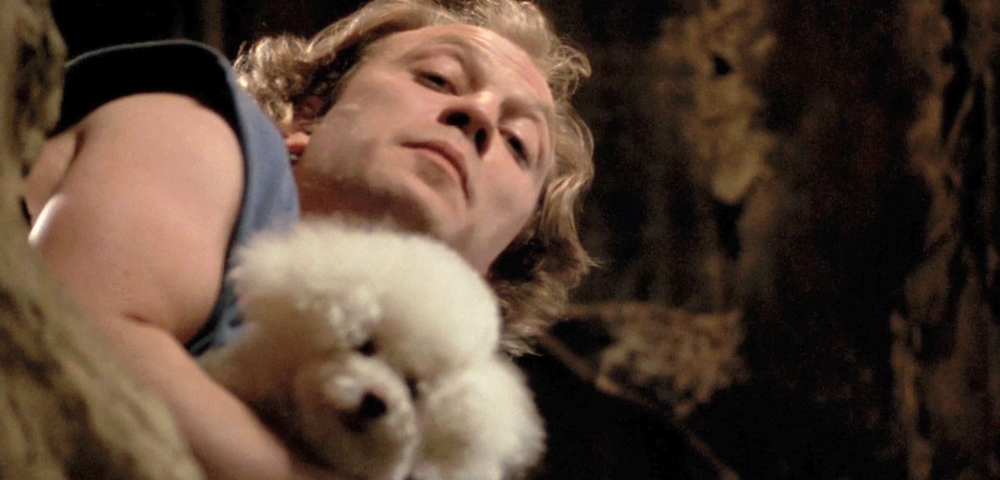
Image: Buffalo Bill as depicted in the 1991 thrilled Silence of the Lambs
Thirty-five years ago film audiences were treated to the Oscar winning thrills of The Silence of the Lambs, starring Jodie Foster as a rookie FBI agent and Anthony Hopkins in his terrifying role as the cannibal and nice chianti sipper Hannibal Lecter.
While Silence of the Lambs remains one of the most enduring depictions of serial killers in popular culture, it’s the depiction of the killer Buffalo Bill, played by Ted Levine, which has since received some criticism from audiences, and which has led to some of the cast and crew speaking out. The characterisation of Buffalo Bill (whose sexual orientation is not explicitly stated) has been viewed as a negative portrayal of someone gender non-conforming or potentially identifying as trans – and of perpetuating negative stereotypes and vilification of gender non-conforming people.
As a result, Ted Levine who played Buffalo Bill (or Jame Gumb), and whose credits also include the features Heat and The Fast and the Furious, has mixed feelings about the role, despite the film’s massive success.
“There are certain aspects of the movie that don’t hold up too well,” Levine told The Hollywood Reporter. “We all know more, and I’m a lot wiser about transgender issues. There are some lines in that script and movie that are unfortunate.”
In one scene, Hannibal (who is a psychologist as well as cannibalistic serial killer), analyses Buffalo Bill for Clarice: “Billy hates his own identity, you see, and he thinks that makes him a transsexual. But his pathology is a thousand times more savage and more terrifying.”
Levine specifies that he never intended to play the character as trans. “I didn’t play him as being gay or trans. I think he was just a fucked-up heterosexual man. That’s what I was doing.”
This sentiment is echoed in the interview by the film’s producer Edward Saxon, who says they only wanted to depict a “sick pathology”. But he also acknowledges the harms that stereotypes can perpetuate.
“[It’s] just over time and having gotten aware and worked with trans folks, and understanding a bit more about the culture and the reality of the meaning of gender,” says Levine.“It’s unfortunate that the film vilified that, and it’s fucking wrong. And you can quote me on that.”
During a 2014 interview, director Jonathan Demme, who died in 2o17, said he appreciated the debate over the film but noted that the character “didn’t really have a sexual preference” and added, “He wished he was a woman, not because he always wanted to be a woman. This was another way to escape.” He also acknowledged that “more and more people, me included, are starting to really wake up to the challenge [the trans community faces] today.”

Support the Star Observer… while you still can
LGBTQIA+ media is under threat. Queer content is censored by tech conglomerates who amplify bigotry and push out AI slop — so we receive less financial support than ever.
When our community is muzzled and intolerance intensifies, we need queer media more than ever. Your donation means we can continue paying queer journalists to write queer news.
Don’t rely on the straight lies of big tech – support Star Observer instead and donate now.