
140+ Medical Professionals Sign Open Letter Urging QLD Govt To Restore Trans Youth Healthcare
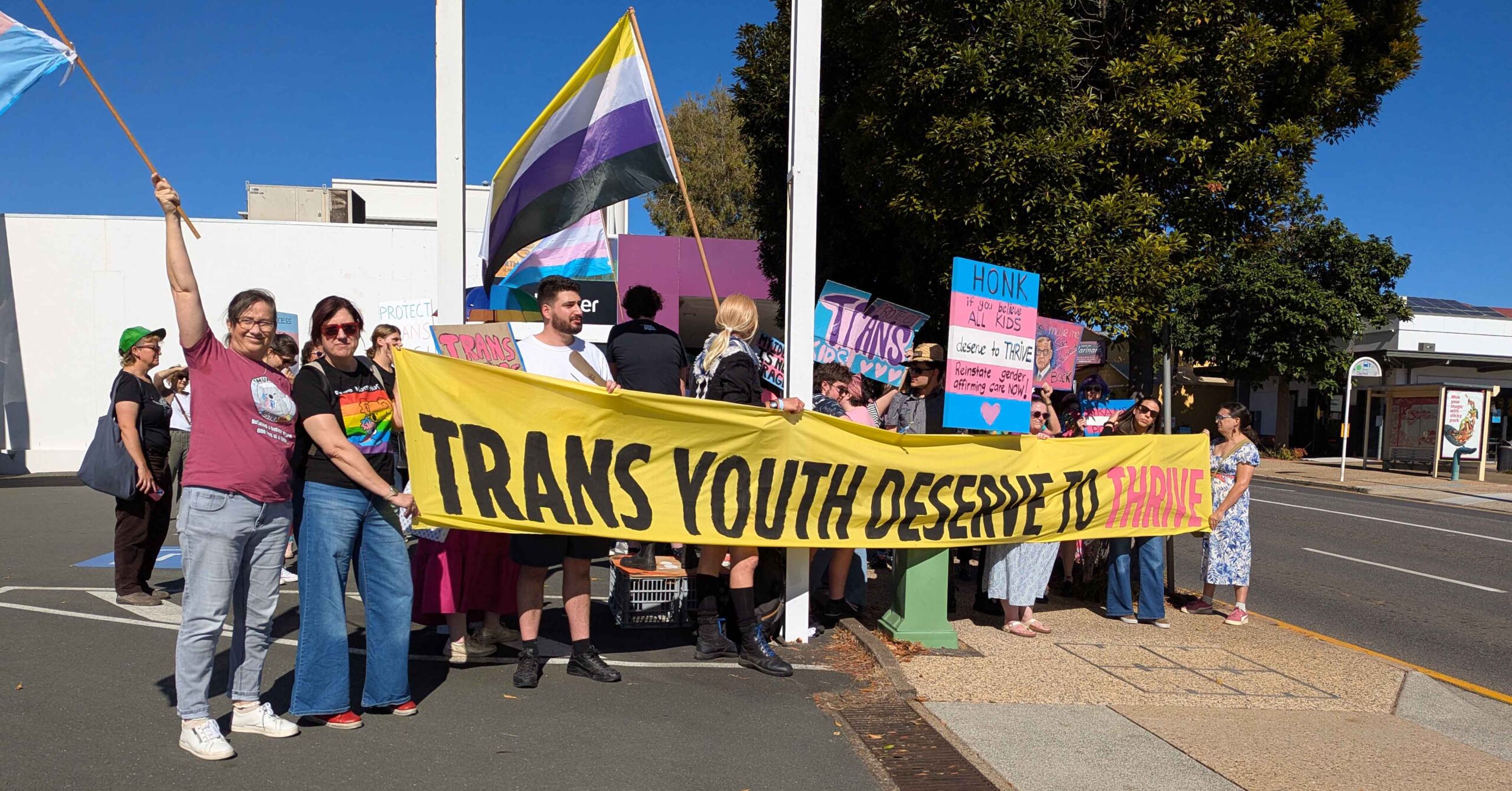
Image: Image: Tina Eastley
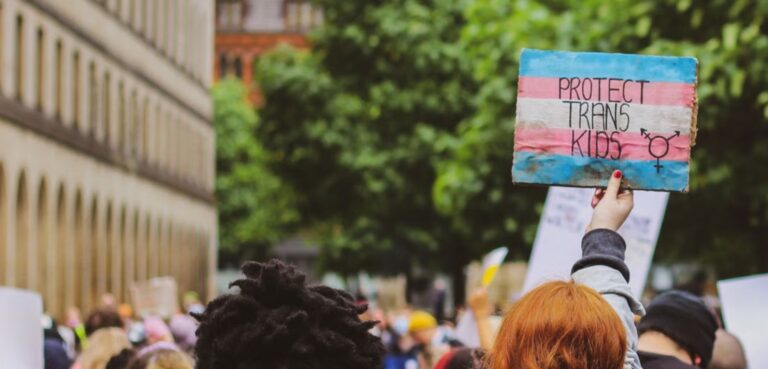
142 medical professionals have signed an open letter urging the Queensland Government to reinstate healthcare for trans youth, after Health Minister Tim Nicholls reinstated a ban prohibiting public doctors from providing with new patients under the age of 18 with gender-affirming healthcare.
On 28 October, the Queensland Supreme Court found that the government’s ban of gender-affirming healthcare for trans youth that was introduced in January this year, was unlawful. However, just six hours after this ruling, Nicholls issued a new directive reinstating the ban.
Among the professional signatories on the open letter are GPs, psychologists, child psychiatrists, endocrinologists as well as health organisations such as the Nurses and Midwives’ Union, the Australian Professional Association for Trans Health (AusPATH), LGBTIQ+ Health Australia and the Queensland Council for LGBTI Health.
The letter states that Queensland now stands alone as the only state removing the vital support from young people, and that the decision defies expert medical consensus, global guidelines, community expectations and the government’s own human rights obligations.
“Politicians have no place overriding parents and dictating private medical decisions made between patients, their families and qualified clinicians,” the letter states.
“Every young person in Queensland is entitled to receive medical care without political interference.”
Unions and other organisations have also signed on, including 123 academics alongside the Queensland Council of Unions and the Queensland Council of Social Services.
Reinstated ban ignores medical guidelines by professionals
The original Supreme Court ruling by Justice Peter Callaghan stated that the original directive was unlawful because it was made “without adequate consultation and at the direction of Mr Nicholls.”
But Justice Callaghan also made it clear that his ruling was about process, not clinical appropriateness, meaning that the minister could issue a new ban directive if he found it necessary to do so and in “public interest”.
“The Minister may give a service a direction if he is satisfied it is necessary to do so in the public interest. However, if the Minister gives a direction, it must be in writing and published in a way that allows it to be accessed by members of the public,” Justice Callaghan said.
Retired GP and secretary of QTrans, Frances Mulcahy, said that the ban ignores both established medical guidelines and the clear consensus of bodies like the AMA and the Royal Australian and New Zealand College of Psychiatrists.
“Hundreds of health professionals and academics have urged the government to restore care,” said Mulcahy. “This is a cruel and damaging decision that harms young trans people. It drives stigma and discrimination against all trans people.”
Eloise Brook, the CEO AusPATH further explained that medical practitioners follow guidelines grounded in rigorous research and clinical evidence and that cutting young people off from the care they need will have immediate and devastating consequences.
“We are calling on the Queensland government to immediately restore access to puberty blockers and hormone treatment for the small number of young people who need them,” said Brook. “Trans children and their families deserve better.”
“This decision is already harming trans children and the families who support them, especially those who cannot afford private care.”
Since the pause was initiated in January, the Open Doors Youth Service organisation has witnessed a 250% surge in referrals for individuals under 18 seeking their support and that they view this as a clear sign of the urgent need for help, CEO Rachel Hinds said.
“Tragically, we have been forced to close our counselling books, leaving over 50 vulnerable young people in limbo on our waitlist. It breaks our hearts to acknowledge that we can no longer provide the essential care they desperately need, highlighting the critical gap between demand and our ability to deliver support in this crucial time,” she said.
Support the Star Observer… while you still can
LGBTQIA+ media is under threat. Queer content is censored by tech conglomerates who amplify bigotry and push out AI slop — so we receive less financial support than ever.
When our community is muzzled and intolerance intensifies, we need queer media more than ever. Your donation means we can continue paying queer journalists to write queer news.
Don’t rely on the straight lies of big tech – support Star Observer instead and donate now.