
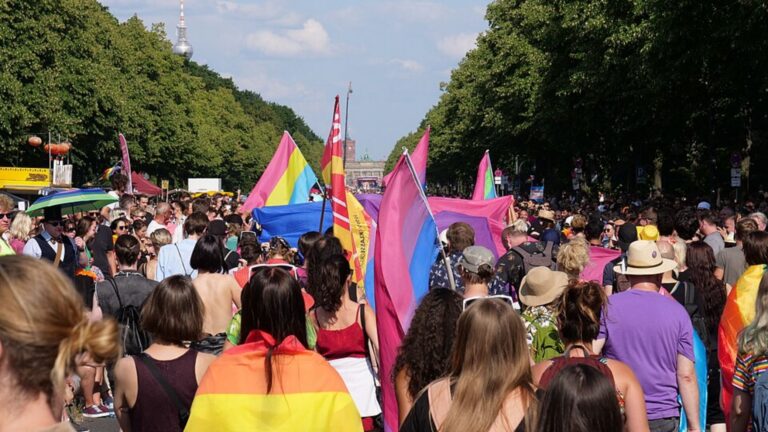
Anger Won’t Free Us: Why I Chose Joy, Empathy And Open Arms As My Revolution
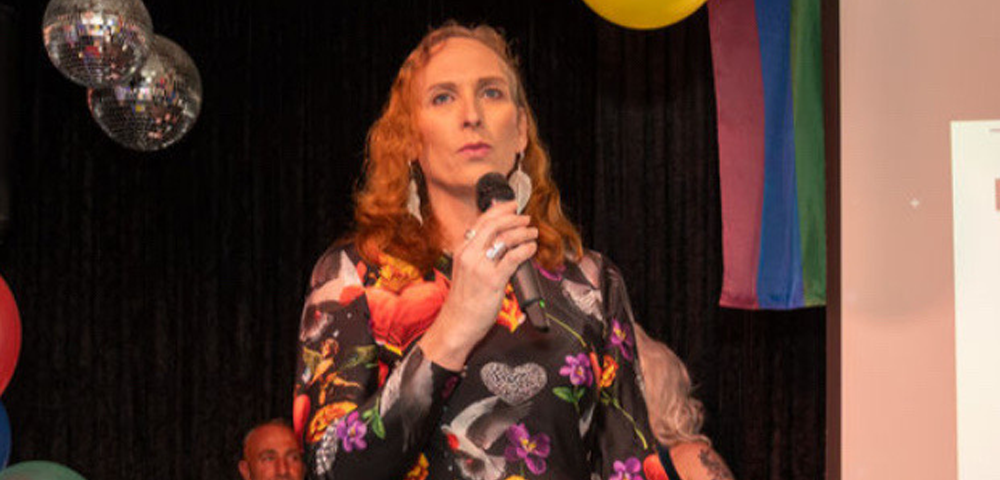
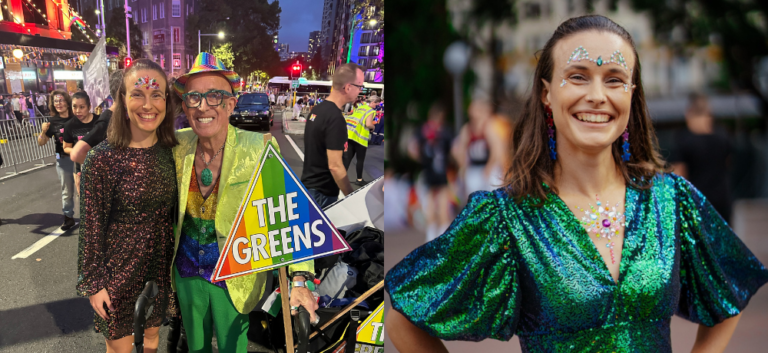
Image: Image: Martin Kincade Photography
I have spent over two decades doing LGBTIQA+ community work. In that time I have seen a lot of anger. I have felt a lot of it too. The anger is real. It is valid. Every queer and trans person who has been turned away, talked over, denied care or made to feel small has every right to that fire in their chest.
But somewhere along the way I made a choice. I chose joy as my revolution.
That does not mean I stopped fighting. It means I changed what I was fighting for.
The trap of anger as a strategy
Anger is a powerful alarm bell. It tells us something is wrong. It gets people moving. But when anger becomes the whole strategy — when it becomes the culture of a community — it starts to eat itself.
I have watched it happen. Groups that formed around shared outrage slowly turned that energy inward. The gatekeeping crept in. The purity tests started. People who did not use the right words or did not share the exact same lived experience were pushed out. The circle got smaller and smaller until only the loudest voices were left, shouting into an echo chamber.
And here is the thing about decisions made in anger. They are rarely thought through. They are reactive, not reflective. And once they land, they are almost impossible to walk back. Angry words become angry responses. Our outrage triggers someone else’s outrage. Their outrage fuels ours. It becomes a self-perpetuating cycle of destruction where everyone is reacting and nobody is building.
That is not liberation. That is a different kind of cage.
Joy is not naivety
When I say I chose joy, people sometimes hear “she is ignoring the hard stuff.” That could not be further from the truth.
Joy in the face of a world that would rather you did not exist is one of the most radical things you can do. Every time a trans kid laughs at a community gathering, every time a queer elder feels safe enough to share their story, every time someone walks through our doors and is met with a genuine smile — that is revolution.
Joy says: “You tried to break us and we are still here. We are still dancing.”
Empathy as the foundation
Empathy is not about being soft. It is about being brave enough to sit with someone else’s reality even when it is uncomfortable.
In community work I have met people at every stage of their journey. People who are freshly out and terrified. People who have been out for decades and are exhausted. People who do not have the language yet. People whose understanding of gender and sexuality does not fit into neat boxes. People whose cultural backgrounds shape their experience in ways I will never fully understand.
Empathy means I do not get to decide whose experience is valid. I do not get to rank people’s queerness. I do not get to tell someone they are not enough of something to belong.
That takes more strength than anger ever will.
Embracing difference is the whole point
Here is the irony that keeps me up at night. Our community — the LGBTIQA+ community — exists because we are different. We have always been the people who did not fit the mould. Our whole movement was built on the radical idea that difference is not a defect.
So why do we sometimes turn around and police difference within our own ranks?
I have seen it in the debates about who belongs at Pride. I have seen it in the way some parts of our community treat bisexual people, or asexual people, or people who are questioning. I have seen it in the tension between generations. I have seen it in the way disability and queerness are treated as separate conversations when for so many of us they are the same conversation.
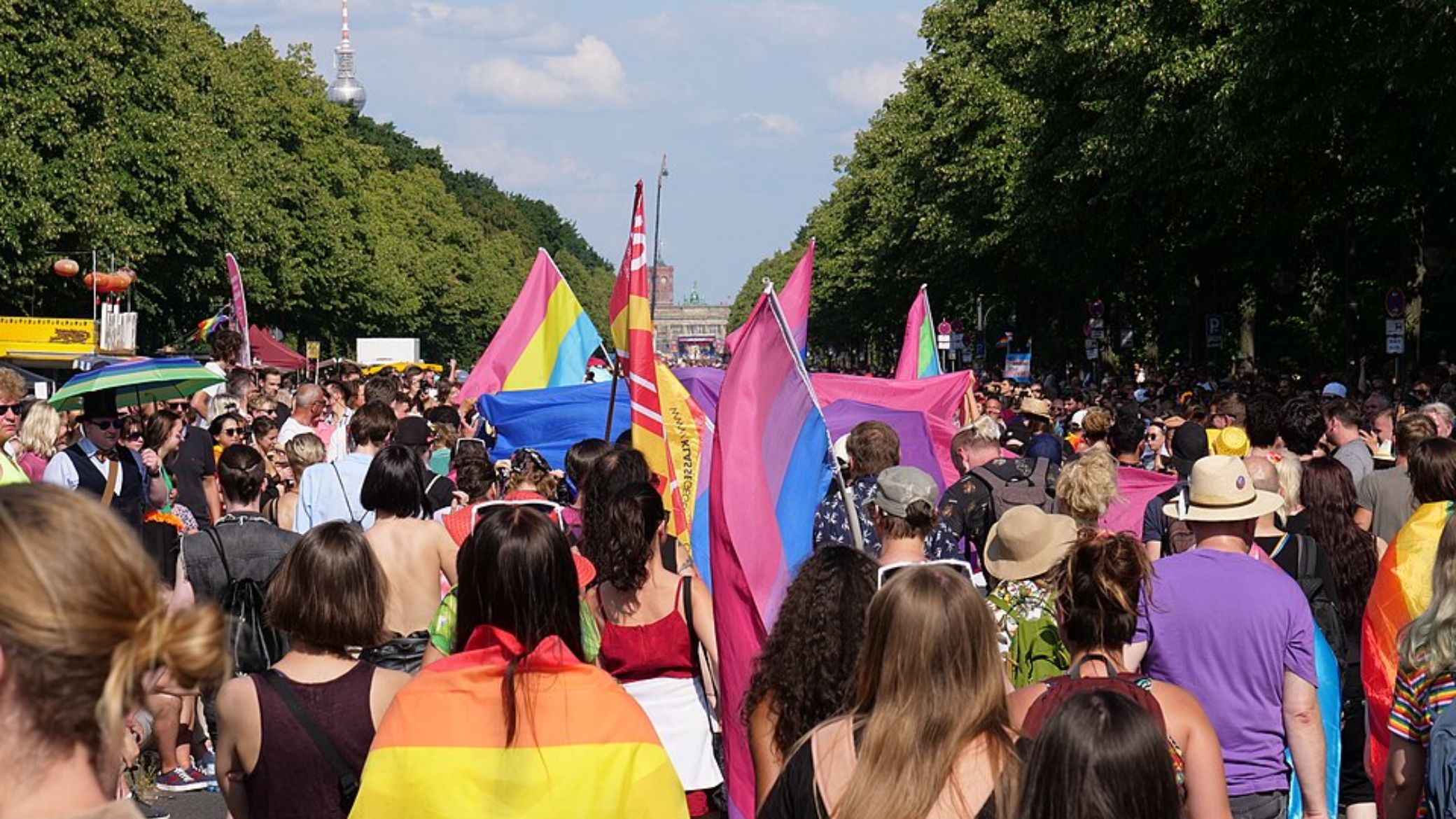
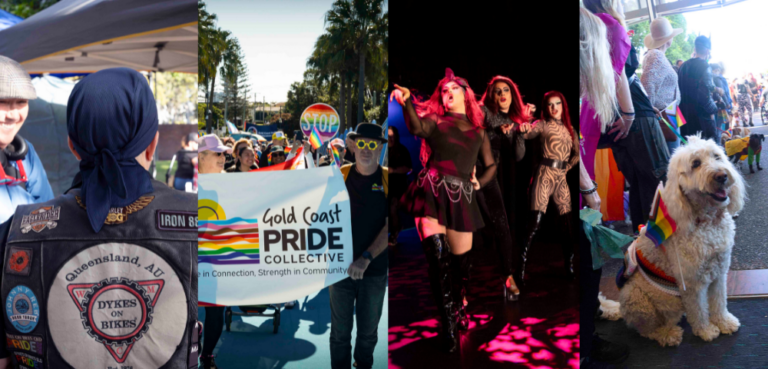
At Gold Coast Pride Collective we made a deliberate choice. Everyone belongs. Full stop. Not everyone who passes a test. Not everyone who uses the approved language. Not everyone who looks a certain way. Everyone.
That is not a weakness in our position. That is our position.
What this looks like in practice
Choosing joy, empathy and inclusion is not just a vibe. It shapes real decisions every day.
It means when someone gets something wrong, we teach instead of punish. It means when a new person walks into a space looking nervous, we go and say hello. It means when we plan events, we think about who is not in the room and ask why. It means we build programs around what the community actually needs, not what looks impressive on a grant application.
It means we hold space for grief and celebration in the same breath. Because that is what real community looks like. Messy, beautiful, complicated and held together by the simple act of showing up for each other.
View this post on Instagram
The revolution I believe in
I do not want a revolution that leaves people behind. I do not want liberation that only works for the loudest, the most connected or the most palatable.
I want the kind of revolution that happens when a parent sees their child accepted for exactly who they are. The kind that happens when an older queer person who spent decades hiding finally finds their people. The kind that happens quietly, in community halls and coffee catch-ups and walking groups, where people realise they are not alone.
That is the culture I am building. It is slower than outrage. It is less dramatic than a callout post. But it lasts.
Joy is my resistance. Empathy is my strategy. And embracing every single one of our beautiful differences is the revolution I will keep showing up for.
Dylan Rackley is the current Vice President of the Gold Coast Pride Collective

Support the Star Observer… while you still can
LGBTQIA+ media is under threat. Queer content is censored by tech conglomerates who amplify bigotry and push out AI slop — so we receive less financial support than ever.
When our community is muzzled and intolerance intensifies, we need queer media more than ever. Your donation means we can continue paying queer journalists to write queer news.
Don’t rely on the straight lies of big tech – support Star Observer instead and donate now.