


Doctors Urge Gov’t To Invest In Longer GP Appointments As Key To HIV Prevention

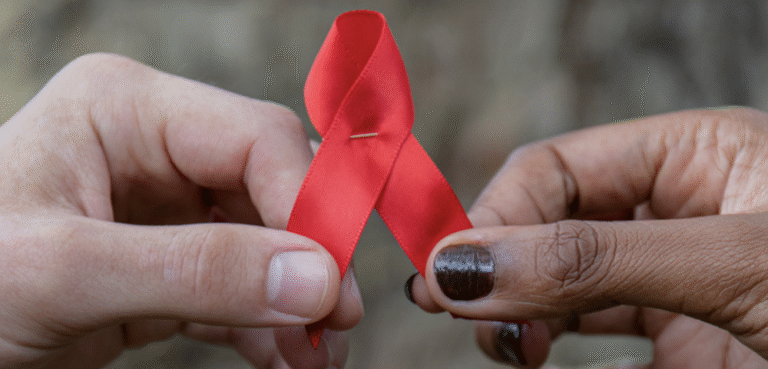
To acknowledge 2025 World AIDS Day today, the Royal Australian College of GP’s (RACGP) is now urging the Federal Government to improve access to preventative HIV care as they propose investing for patients to get longer GP consultations.
RACGP’s suggestion comes as early discovery and general knowledge is known to be one of the most efficient treatments for HIV prevention and therefore their calling for action could be part of a long term solution in eliminating the spread of the virus.
Today, medication like Pre-Exposure Prophylaxis (PrEP) effectively stops HIV transmission in 99% of cases.
However, initiating a PrEP treatment requires planning, counselling and follow-ups which often span beyond the time-frame of normal GP consultations. Therefore, early discovery and thereby prevention can more easily be achieved if investments to get the longer consultations are made.
“PrEP means we can provide patients at elevated risk prevention options but consults to initiate and continue PrEP prescriptions take time,” says RACGP Specific Interests Sexual Health Medicine Chair, Dr. Sara Whitburn.
Whitburn further explains that although sexual health-specific GP consultations are the most efficient prevention for possible PrEP patients, these are often out-of-pocket expenses that Medicare-refunds don’t cover sufficiently—as the patients at higher risk of acquiring HIV are often those who are least able to pay this gap fee.
“Medicare provides lower per-minute funding for longer consults, which means patient fees end up as the only option to cover the gap between the Medicare rebate and the cost of providing care.”
“Patients who experience socioeconomic disadvantage, have substance use disorders, or come from culturally and linguistically diverse communities too often miss screening opportunities. Boosting access to earlier care and prevention can be lifesaving,” says Whitburn.
The 2025 RACGP Health of the Nation found that 85% of GP’s provide sexual health screenings, and 84 per cent want to provide more preventative care, but 75 per cent of GP’s say this care is not adequately incentivised by Medicare.
“These infections are treatable and also preventable,” said RACGP President Dr Michael Wright. “Early detection allows early treatment and reduces transmission and benefits the whole health system.”
Hope remains for a virtual elimination of HIV
The RACGP proposal comes after a UNSW Kirby Institute STI report released earlier this year stated that although there has been an increase in HIV diagnoses over the past two years, there has been a general decrease of 27 per cent over the past decade.
In May 2024, the Albanese government also set aside $43,9 million to enhance access to HIV testing, care and resources with the long term goal to virtually eliminate HIV spread in Australia by 2030.
This money would go to a number of other new initiatives including implementation of HIV testing machines, more selftests and bigger distribution of PrEP treatments for people who didn’t have access to Medicare and more.
“The Budget represents an important milestone that I believe will be pivotal in the course of HIV in Australia,” said Minister for Health and Ageing Mark Butler in 2024.
“We can now put in place programs and initiatives that can realistically lead to the elimination of transmission of HIV within the Australian community by 2030.”





Support the Star Observer… while you still can
LGBTQIA+ media is under threat. Queer content is censored by tech conglomerates who amplify bigotry and push out AI slop — so we receive less financial support than ever.
When our community is muzzled and intolerance intensifies, we need queer media more than ever. Your donation means we can continue paying queer journalists to write queer news.
Don’t rely on the straight lies of big tech – support Star Observer instead and donate now.